
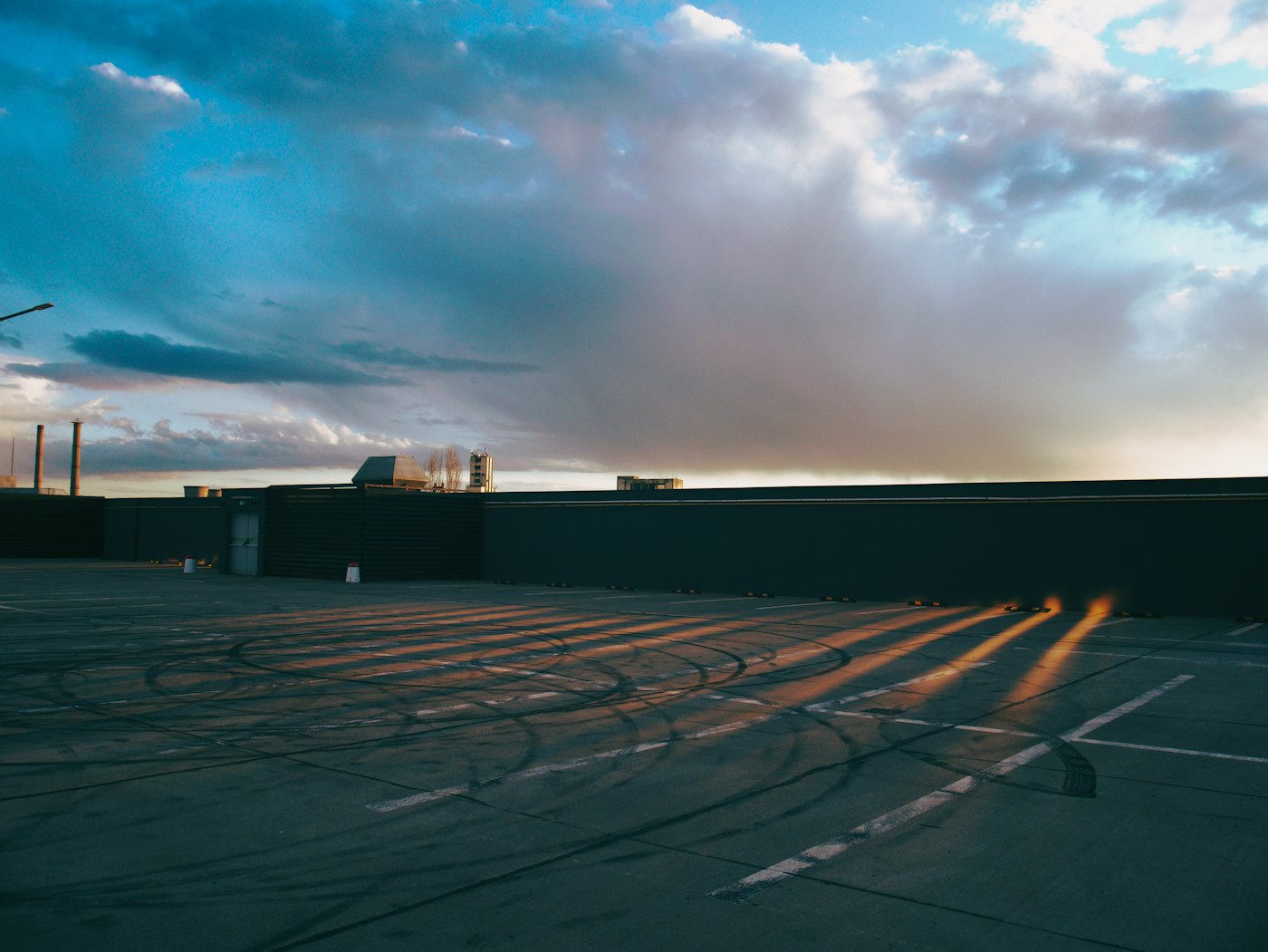
When winter loosens its grip, parking facilities in cold climates often reveal the damage it left behind. Freeze-thaw cycles open cracks, plows scrape striping and curbs, salt residue coats concrete and drains fill with debris. Spring is the natural time to assess, clean and repair before warmer months bring heavier traffic. This checklist covers the main areas owners and operators typically review.
Pavement and surfaces
- Walk the entire lot or every level of the garage and note new cracks, potholes and raised or sunken areas.
- Look for trip hazards in pedestrian paths, especially near entrances, curbs and ramps.
- Prioritize repairs that affect safety or drainage, then cosmetic issues.
- For asphalt lots, ask a paving professional whether crack sealing or sealcoating is appropriate this season.
- For parking structures, note any new spalling, exposed reinforcement or leaks and share them with a structural engineer.
Addressing small cracks early typically costs far less than repairing larger failures later, since water entering cracks accelerates deterioration.
Cleaning and drainage
Spring cleaning is more than appearance. Sweeping removes the grit, sand and salt left from winter treatment. In parking structures, a thorough washdown helps flush chloride residue that can contribute to corrosion over time. Clear every drain, catch basin and trench drain, and watch where water collects during the next rain. Persistent ponding is a sign that drainage needs attention.
Striping, curbs and signage
Snowplows and winter traffic wear down pavement markings quickly. Faded striping makes it harder for drivers to park efficiently and can create confusion around accessible spaces, crosswalks and fire lanes. Check:
- Stall lines, directional arrows and stop bars.
- Accessible parking spaces, access aisles and signage, which must meet applicable accessibility standards. The U.S. Department of Justice provides guidance at ada.gov.
- Fire lane markings required by the local fire authority.
- Curb paint, wheel stops and bollards damaged by plows.
- Rate signs, entrance signs and wayfinding that may have been damaged or faded.
Lighting and equipment
Longer days can hide lighting problems, so inspect fixtures at night. Replace failed lamps, clean lenses and check timers or photocells that may need adjusting as daylight changes. Review security cameras, emergency call stations and intercoms. For parking equipment, test gates, ticket dispensers, pay stations and card readers, since cold weather and moisture can affect performance. Schedule any vendor service visits before the busiest months.
Landscaping and the approach
Many lots include islands, borders and plantings that need spring attention. Trim overgrowth that blocks sight lines or signs, replace damaged plantings and clear winter debris. Look at the approach to the facility as well: entrance signs, curb cuts and sidewalks that customers use to reach the property. Finally, document everything found and fixed. A simple log with photos supports budgeting, contractor management and next year’s planning, and it gives owners a clear record of the facility’s condition over time.
Turning the Checklist Into a Spring Work Plan
A spring inspection produces a long list. Turning it into a plan that gets finished before summer usually involves a few steps:
- Schedule the walkthrough. Choose a date after the last likely freeze, and do a second check at night for lighting.
- Record findings with photos and locations. Note each item’s level, row or area so contractors can find it.
- Sort by priority. Group items into immediate safety concerns, items that protect the asset, compliance items such as accessible parking and fire lanes, and cosmetic work.
- Bundle similar work. Striping, sealing and crack repair are often more efficient when scheduled together.
- Request proposals. Ask contractors for clear scopes, schedules and plans to keep the facility operating during work.
- Communicate with customers. Post notices about closed areas, especially for monthly parkers.
- Close out and document. Record what was completed, by whom, at what cost and with before-and-after photos.
A Worked Example
Consider a hypothetical 300-space surface lot serving a shopping center. The spring walkthrough reveals several potholes near the main entrance, faded stall lines across the lot, two damaged accessible parking signs, a clogged catch basin that floods one row after rain, and three dark light poles at the far end. The owner prioritizes the potholes, accessible signage and lighting first because they affect safety and compliance. The catch basin is cleared next, preventing the ponding that would worsen pavement damage. Crack sealing and restriping are bundled into a single weekend project scheduled for early morning hours with sections closed in phases. By late spring, the lot is safer, easier to navigate and better protected against next winter.
Common Mistakes and How to Avoid Them
- Walking the lot only in daylight. Lighting problems are easy to miss. Inspect after dark.
- Restriping before repairs. Painting fresh lines over pavement that will soon be patched wastes money.
- Treating accessible parking as cosmetic. Accessible spaces, aisles and signs are compliance items and should be addressed promptly.
- Ignoring the drainage test. Watching water during the first spring rain shows problems a dry inspection cannot.
- Working during peak hours. Schedule disruptive work when demand is lowest and communicate closures in advance.
Questions Facility Managers Ask
How often should a lot be restriped?
It depends on traffic, climate, snowplowing and the type of paint used. Many facilities inspect markings each spring and restripe when lines lose visibility.
Is sealcoating necessary every year?
Not usually. Frequency depends on the pavement’s condition, traffic and climate. A paving professional can recommend a schedule.
Who should evaluate concrete damage in a garage?
A licensed structural engineer with parking structure experience, particularly for spalling, exposed reinforcement or leaks through decks.
What This Means for the Year Ahead
Spring work sets up the whole year. Repairs completed now protect the facility through summer storms, and the documentation created now becomes the starting point for fall preparation and next year’s budget. A facility that treats spring maintenance as a routine rather than a reaction tends to spend less over time and present a better face to every customer who arrives.
Keeping Records That Pay Off
The spring review should leave behind more than finished repairs. Useful records include dated photos of each finding, the contractor and cost for every repair, warranty information for coatings and sealants, and notes on anything deferred to a later season. Over several years, these records show how the facility is aging, which repairs held up and where money is best spent. They are also valuable if the property is refinanced or sold, since buyers and lenders often ask how a facility has been maintained. Keeping them in one shared location, rather than scattered across emails and invoices, makes them far more useful.


