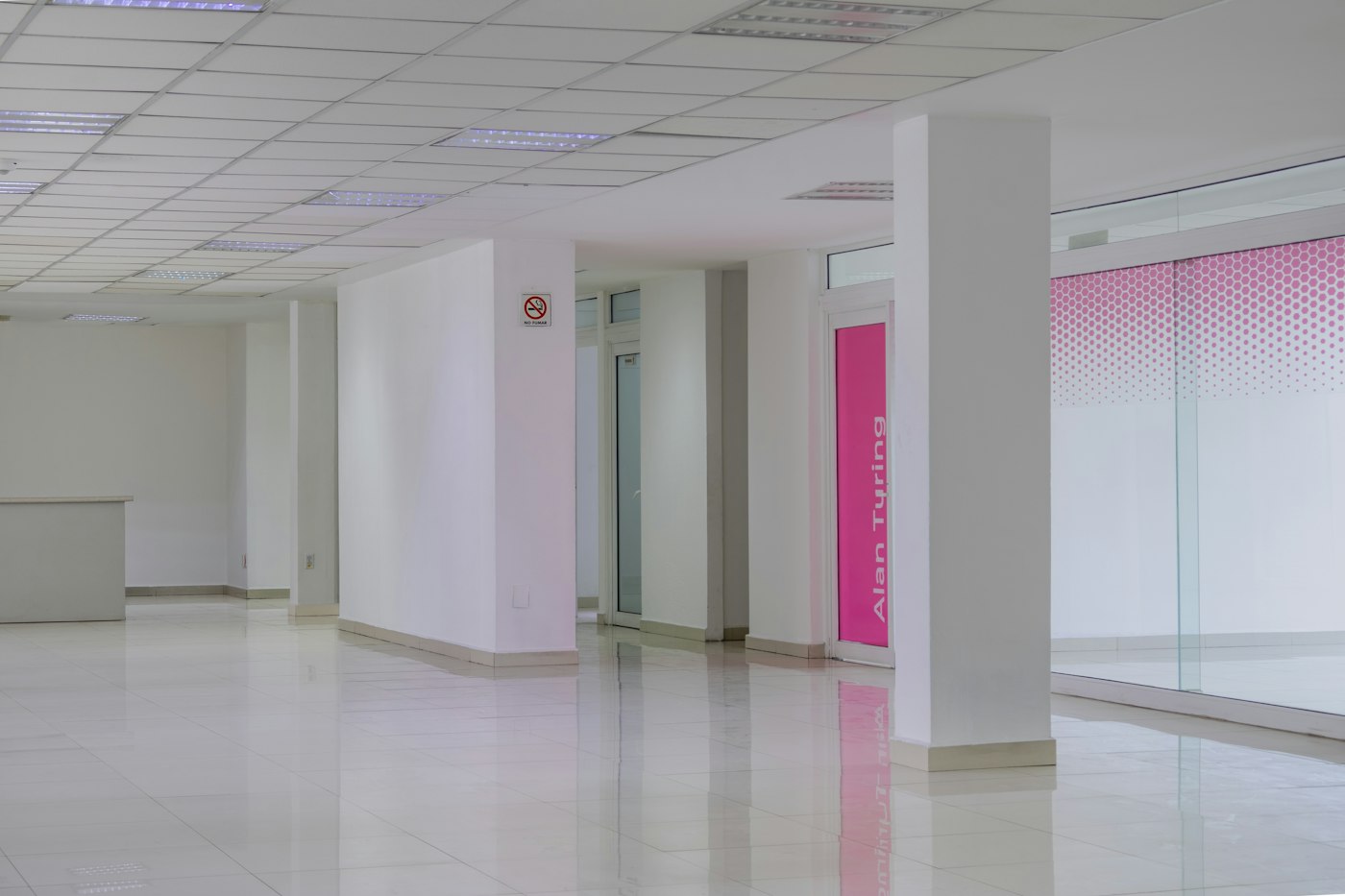
Most commercial space needs work before a new tenant can move in. Walls may need to move, finishes need updating and systems may need modification for the tenant’s use. The money and responsibility for that work, known as tenant improvements or TI, are often a central part of lease negotiations.
This article offers general information. Specific lease terms should be reviewed with a real estate attorney and, for larger commitments, a tenant or landlord representative broker.
What a TI allowance is
A tenant improvement allowance is an amount the landlord agrees to contribute toward the cost of building out the space, typically expressed per square foot or as a total sum. It may be paid directly to contractors, reimbursed to the tenant as work is completed or applied through another method spelled out in the lease.
The size of an allowance tends to reflect the condition of the space, the length of the lease, the tenant’s credit, market conditions and the type of use. Longer leases generally support larger allowances because the landlord has more time to recover the investment through rent.
Common structures
- Turnkey: the landlord delivers finished space built to an agreed plan, managing and paying for construction
- Allowance: the landlord provides a fixed contribution, and the tenant pays any costs above it
- Landlord’s work plus allowance: the landlord completes base building work, and the tenant receives an allowance for interior finishes
- As-is: the tenant takes the space in its current condition, often in exchange for lower rent or free rent
Each structure allocates cost risk differently. In a turnkey deal, the landlord carries the risk of overruns. In an allowance deal, the tenant usually does.
The relationship to rent
TI money is not free. Landlords generally account for it in the overall economics of the lease, often through base rent, term length or other concessions. Some leases allow a tenant to receive additional TI money in exchange for higher rent, essentially amortizing extra build-out costs over the lease. Comparing offers fairly means looking at total cost over the term, not only the allowance amount.
What to clarify in the lease
- Which costs the allowance can be used for, such as construction, architecture, permits, cabling or furniture
- Whether unused allowance can be applied to rent or is forfeited
- The deadline for using the allowance
- Approval rights over plans, contractors and change orders
- How and when funds are disbursed, including required documentation and lien waivers
- Whether the landlord charges a construction management fee
- Who owns the improvements and whether they must be removed at lease end
Specialized uses
Medical, restaurant, laboratory and other specialized uses often need far more extensive build-outs than general office, with heavy plumbing, ventilation, electrical or structural work. These projects call for early involvement of architects and engineers familiar with the use, realistic budgets and careful attention to code requirements. A clear understanding of costs before signing helps avoid an expensive gap between the allowance and the actual build-out.
Planning a Build-Out From Start to Finish
A tenant improvement project goes more smoothly when the business treats it as a project with a schedule, a budget and clear decision points. A general sequence looks like this:
- Define needs early. Before touring, list the rooms, workstations, storage, equipment, technology and special systems the business needs, and estimate headcount growth over the lease term.
- Test fit the space. An architect or designer prepares a preliminary layout showing how the business would fit in each candidate space.
- Estimate costs. A contractor or cost consultant provides a budget estimate for each test fit, including soft costs such as design, permits and project management.
- Negotiate with real numbers. Use the estimates to negotiate the allowance and structure, rather than relying on a general sense of what is typical.
- Finalize plans and bid. Once the lease is signed, complete construction drawings, obtain permits and bid the work as the lease allows.
- Build and manage changes. Track progress, approve change orders carefully and keep records needed for allowance disbursement.
- Close out. Walk the space, create a punch list, collect lien waivers and warranties and submit final documentation to receive remaining allowance funds.
A Short Illustration
Consider a hypothetical professional services firm comparing two spaces. The first is a former office suite with usable layout and finishes; the second is a raw, never-occupied shell. The landlord of the second space offers a much larger allowance, which looks attractive.
When the firm’s architect and contractor estimate costs, the shell space turns out to need far more work, including ceilings, lighting, restrooms and HVAC distribution, so the larger allowance covers a smaller share of the total cost than the modest allowance in the first space. Once the estimated out-of-pocket costs and rent over the term are compared, the first space is less expensive and can be ready sooner. The example is illustrative, but it shows why the allowance figure alone is not a sound basis for comparison.
Common Mistakes
- Negotiating before estimating. Agreeing to an allowance without a cost estimate leaves the tenant guessing how much it will owe.
- Forgetting soft costs. Design fees, permits, technology cabling, signage, security systems and moving costs can be significant. Confirm which ones the allowance may cover.
- Missing the deadline. Allowances often expire if not used by a certain date. Construction delays can put funds at risk.
- Unclear base building condition. Disputes arise when the lease does not specify what systems, such as HVAC, restrooms or code compliance, the landlord will deliver before the tenant’s work begins.
- Uncontrolled change orders. Small changes during construction can add up quickly. A clear approval process keeps costs in check.
- Ignoring restoration obligations. If the lease requires removing improvements at the end of the term, those future costs should be considered now.
Questions Readers Ask
Can a tenant use its own contractor?
Often, subject to the landlord’s approval and requirements for licensing, insurance and building rules. Some landlords require use of approved contractors for certain systems.
What if construction costs exceed the allowance?
In an allowance structure, the tenant usually pays the difference. Some leases allow the overage to be amortized into rent. Understanding this before signing helps with budgeting.
Who should be on the tenant’s team?
For meaningful projects, an architect, a contractor or project manager, a tenant representative broker and a real estate attorney. An accountant can advise on how improvements and allowances affect the business’s financial statements and taxes.