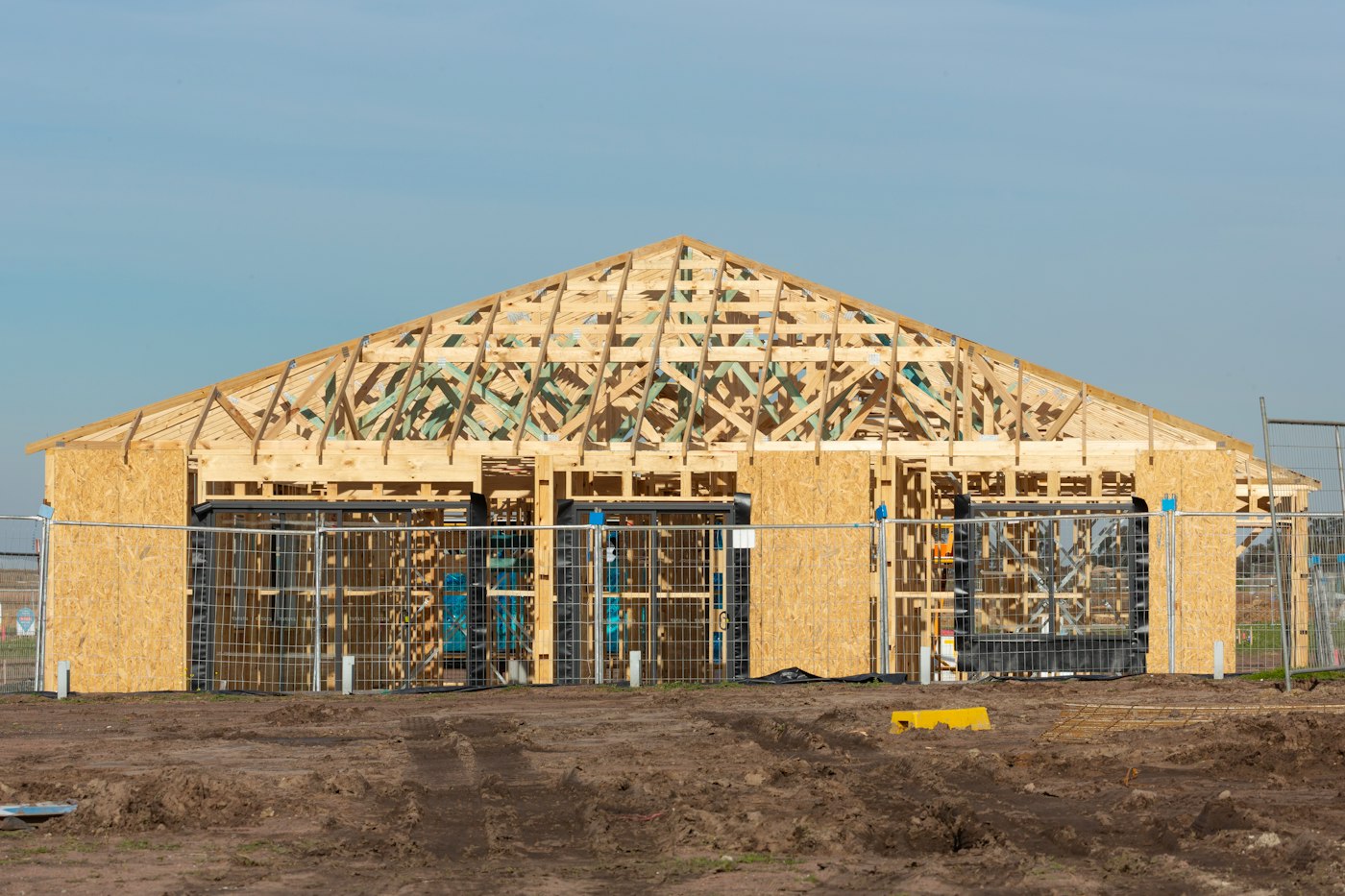
Most people picture real estate ownership as a single package: you own the land and whatever is built on it. A ground lease separates the two. The landowner leases the land, usually for a long term, to a tenant who builds and owns improvements on it. When the lease ends, the land, and often the buildings, generally return to the landowner. Ground leases appear across many property types, from single restaurant pads to large urban towers.
This is a general explanation. Ground leases are complex legal and financial instruments, and both sides should rely on experienced attorneys and advisors.
How a ground lease works
Under a typical ground lease, the tenant pays rent for the land and takes on responsibility for developing, operating and maintaining the improvements. The tenant usually pays property taxes, insurance and operating costs. Terms are long, often several decades, to give the tenant enough time to justify its investment and to allow financing.
Rent may increase over time through fixed steps, periodic adjustments tied to an index or reappraisals of the land’s value. The method chosen has a large effect on both sides over the life of the lease.
Why landowners use them
Ground leases allow a landowner to earn income from land without selling it. This can appeal to families, institutions, religious organizations, universities and public entities that want to retain long-term ownership. The landowner avoids the cost and risk of developing the property, while the eventual return of the land and improvements may provide long-term value.
Why tenants use them
For a developer or business, a ground lease can reduce the upfront capital needed, since the land does not have to be purchased. It may also provide access to well-located sites that are not available for sale. In some cases, ground rent may be deductible as a business expense, a point to confirm with a tax professional.
Financing considerations
Because the tenant does not own the land, lenders financing the tenant’s building look closely at the ground lease. Common lender concerns include the remaining term, which should comfortably exceed the loan’s term, the ability to obtain notice of and cure tenant defaults, protections in the event of condemnation or casualty and the right to assume or transfer the lease. Whether the landowner’s interest is subordinated to the leasehold mortgage is another significant point. A ground lease that does not address these issues can be difficult to finance.
Questions to examine
- How much of the term remains, and are there extension options?
- How is rent adjusted over time, and is there risk of a sharp reset?
- What happens to the improvements at the end of the term?
- What uses are permitted, and can they change?
- What are the assignment and subletting rights?
- How are casualty, condemnation and insurance proceeds handled?
As a ground lease approaches its final years, the value of the leasehold interest can decline because less time remains to use it. Both parties benefit from thinking about that endgame well in advance, whether through extension negotiations, a sale of one interest to the other or planning for the property’s return.
How Rent Adjustment Terms Play Out Over Decades
Because ground leases run so long, the method for adjusting rent can matter more than the starting rent itself. Each common approach carries a different kind of risk for each side.
Fixed increases
Scheduled steps, such as a set percentage increase every few years, give both parties predictability. Tenants and their lenders can model the cost over the full term. The landowner, however, may find that fixed steps fall behind the land’s actual value if the area improves faster than expected, while a tenant may find them burdensome if the area weakens.
Index-based adjustments
Tying rent to an inflation index helps preserve the landowner’s purchasing power. For the tenant, the risk is that rent rises faster than the property’s income during periods of high inflation. Caps and floors on each adjustment are a common way to share that risk.
Reappraisal resets
Some leases reset rent periodically to a percentage of the land’s appraised value. This keeps rent tied to the market but can produce a sharp increase at the reset date, and disputes over how the land is valued are common. Key questions include whether the land is appraised as vacant or as encumbered by the lease, what uses the appraiser should assume and how disagreements between appraisers are resolved. Lenders pay close attention to these provisions because an unexpected jump in ground rent can strain a building’s ability to cover its debt.
Putting It Into Practice: Reviewing a Ground Lease Opportunity
Whether a business is considering building on leased land or buying an existing building that sits on a ground lease, a structured review helps.
- Read the full lease and every amendment. Summaries and estoppel certificates are helpful, but the operative language is in the documents themselves.
- Chart the rent over the remaining term. Model fixed steps, possible index adjustments and the potential range of any reappraisal reset.
- Compare the remaining term with your plans. Consider how long the business intends to use the property, how long any financing will run and what a future buyer would need.
- Review the reversion clause. Determine whether improvements must be removed, left in place or handed over in a certain condition at the end of the term.
- Talk with a lender early. A lender’s reaction to the lease will reveal provisions that may need to be negotiated before the deal can be financed.
- Understand the landowner. An institution, a family trust and a public entity may each approach consents, extensions and renegotiation very differently.
Common Mistakes With Ground Leases
- Valuing a leasehold like a fee interest. A building on leased land is worth less as the term shortens, and buyers who ignore this may overpay.
- Overlooking consent requirements. Many ground leases require the landowner’s approval for assignments, subleases, financing or changes in use, which can slow or block future plans.
- Waiting too long to discuss an extension. Negotiating with decades remaining is usually easier than negotiating with a few years left, when the landowner holds most of the leverage.
- Ignoring insurance and casualty language. If a building is damaged late in the term, the obligation to rebuild may not make economic sense without clear provisions addressing it.
Questions Readers Ask
Can a ground tenant sell its building?
Generally, the tenant can sell or assign its leasehold interest, subject to the lease’s transfer provisions. The buyer steps into the remaining term and obligations.
Can the tenant ever buy the land?
Some leases include a purchase option or right of first refusal, and others are silent. Even without one, the parties can negotiate a sale if both are willing.
Who pays property taxes on the land?
Most ground leases make the tenant responsible for taxes on both land and improvements, but the lease controls. Confirm the allocation and its tax treatment with your attorney and tax professional.