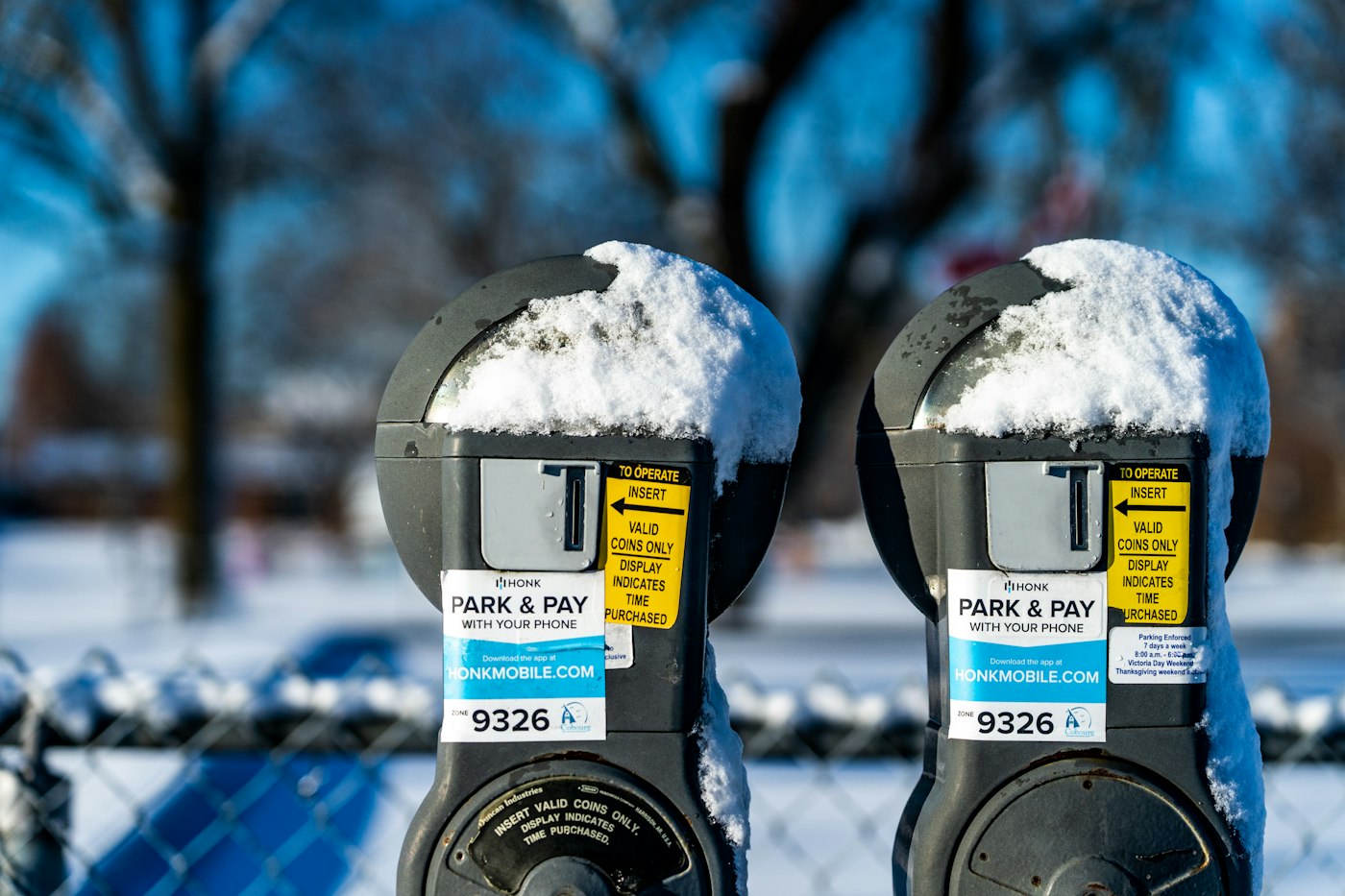
Winter tests every parking facility in cold climates. Snow has to go somewhere, ice creates slip hazards, and the chemicals used to fight both can slowly damage the structure itself. Good winter operations balance three goals at once: keeping customers safe, keeping the facility open and protecting the asset over the long term.
Planning before the first storm
The best winter operations start in the fall, but a mid-season review is still worthwhile. A written snow plan typically covers:
- Who decides when removal begins and how customers are notified.
- Where plowed snow will be stored, and which spaces will be taken out of service.
- Which contractors or staff handle plowing, shoveling and treatment.
- Priorities for clearing: entrances, ramps, pedestrian paths, stairs and accessible spaces first.
Mapping these decisions in advance prevents confusion when a storm arrives overnight.
Snow removal in parking structures
Multilevel garages raise a particular concern: weight. Plowed snow piled on an elevated deck adds load that the structure may not have been designed to carry in concentrated piles. Many facility owners rely on a structural engineer’s guidance about where snow can be stockpiled on upper levels, or whether it must be removed from the structure entirely. Plow blades can also damage expansion joints, drains and traffic coatings, so operators often specify equipment and techniques suited to structured decks.
Roof levels typically collect the most snow and see the least use in winter. Some facilities close the top deck during heavy weather to simplify operations.
Ice control and its trade-offs
De-icing chemicals keep pedestrians and vehicles safe, but chloride-based salts are a well-known contributor to corrosion of reinforcing steel in concrete. Over time, that corrosion can cause cracking and spalling. Operators manage this trade-off in several ways:
- Using the minimum effective amount of de-icer rather than heavy applications.
- Selecting products appropriate for the surface, based on engineering guidance.
- Clearing snow promptly so less chemical treatment is needed.
- Keeping drains clear so meltwater leaves the deck instead of pooling.
Cleaning up afterward
Salt residue does its damage slowly, long after the snow is gone. Many facilities schedule washdowns of decks once winter weather ends, flushing accumulated chlorides into the drainage system. This is also a good moment to inspect sealers, membranes and joints for winter damage.
Customer communication and records
Customers appreciate knowing what to expect. Clear signage about closed levels, posted updates about snow operations and simple instructions for monthly parkers during heavy storms all reduce frustration. Lighting matters more in winter, too, because early darkness and wet surfaces make visibility critical.
Keeping records of storms, response times, treatment applications and incidents serves several purposes. It supports budgeting for next year, helps evaluate contractors and provides documentation if questions arise about safety practices. Facility owners should consult their insurers, attorneys and engineers about the specific practices that fit their property.
Building a Storm-Day Playbook
A written snow plan sets policy. A storm-day playbook turns it into actions that staff can follow even at three in the morning. A practical playbook often follows this order:
- Before the storm: confirm contractor availability, check de-icer supplies, test any snow-melting or heating systems, clear drains and post advance notices for monthly parkers.
- As snow begins: treat ramps, stairs and pedestrian paths first, close the roof level if the plan calls for it, and adjust lighting if visibility drops.
- During accumulation: clear in passes rather than waiting for the storm to end, keeping entrances and exits open and monitoring lanes for stuck vehicles.
- After the storm: complete full clearing, move snow to approved storage areas, re-treat areas that refreeze overnight and walk the facility for hazards.
- Within a day or two: record what happened, note any damage to equipment or surfaces, and review what could have gone more smoothly.
A Seasonal Checklist for Facility Managers
Before winter
- Inspect and clean drains, trench drains and downspouts.
- Check the condition of sealers, membranes and expansion joints.
- Confirm contracts, response times and insurance certificates for snow contractors.
- Mark curbs, bollards and other low obstacles that plows may not see.
- Stock de-icer, shovels, ice melt spreaders and absorbent materials.
During winter
- Track every storm, treatment and incident in a simple log.
- Watch for refreezing in shaded areas, ramps and near entrances.
- Check that meltwater is draining rather than pooling or freezing.
After winter
- Schedule deck washdowns once freezing weather has passed.
- Inspect for new cracking, spalling, joint damage or coating wear.
- Review costs against the budget and adjust for next season.
Common Mistakes and How to Avoid Them
- Piling snow wherever it is convenient. On structured decks, follow engineering guidance on where snow can be stored, if at all.
- Over-applying de-icer. More product is not always safer, and it can accelerate corrosion. Apply what the conditions require.
- Ignoring drains until spring. A blocked drain in winter can turn meltwater into a sheet of ice overnight.
- Skipping customer updates. Drivers who arrive to find a closed level or blocked lane without warning are more likely to complain, and more likely to take risks.
Questions Facility Owners Ask
Is heated or snow-melting equipment worth considering?
For some facilities, heated ramps or snow-melting systems at critical points can reduce labor and chemical use. Whether they make sense depends on the structure, climate and costs, and an engineer can advise on feasibility.
How often should a parking structure be professionally inspected?
Inspection frequency depends on the structure’s age, condition and local requirements. Many owners schedule regular condition assessments with a structural engineer and increase attention after harsh winters.
Who is responsible if someone slips?
Responsibility depends on contracts, local law and the facts of each case. Owners and operators should review their snow and ice practices with their attorneys and insurers, and keep thorough records of what was done and when.
What should a snow contract include?
At a minimum, clear triggers for when service begins, expected response times, the areas covered, equipment suited to structured decks, where snow may be piled, how de-icer is applied and documented, and how the contractor’s insurance is verified. Spelling these out in advance avoids disputes in the middle of a storm, when nobody has time to negotiate.
What This Means for Owners Over the Long Run
Winter decisions add up over many seasons. A facility that is cleared promptly, treated sparingly, drained well and washed down each spring is likely to need fewer major concrete repairs over its life than one that is managed season to season without a plan. Thinking of each winter as a small investment in the structure’s future helps owners weigh the cost of good practices against the far larger cost of deferred structural work.