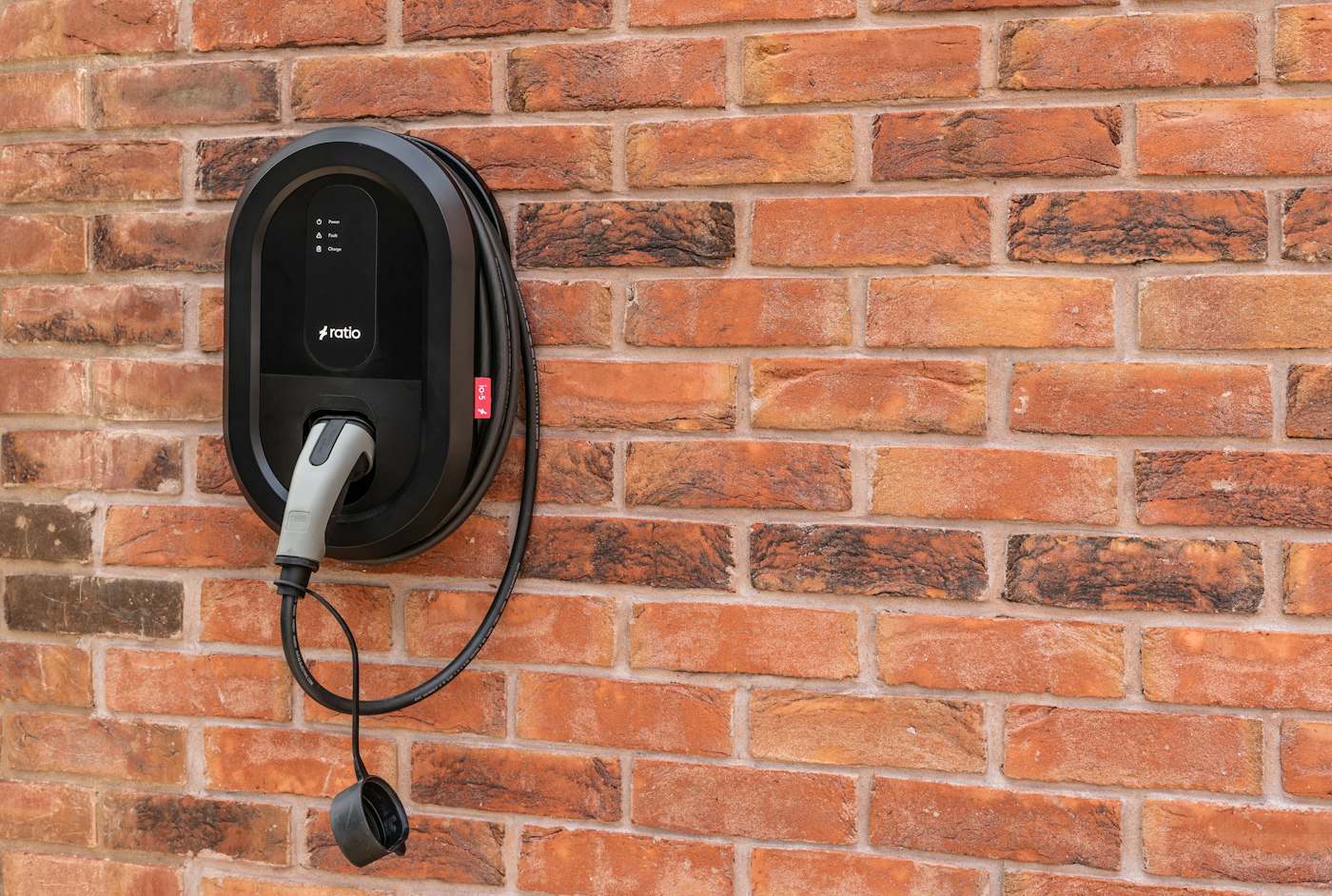
Much of the conversation about electric vehicle charging focuses on installation: which chargers to buy, how much power is needed and who pays. Once chargers are live, a different set of questions takes over. Are they working? Are the right vehicles using the spaces? Can drivers get help when something goes wrong? Day-to-day management determines whether charging becomes a valued amenity or a source of frustration.
Keeping chargers working
Charger reliability is one of the most common concerns among EV drivers. A broken charger can be worse than none, since drivers may plan around it. Practical steps include:
- Using network software that reports faults and status in real time.
- Checking chargers physically on a regular schedule for damaged cables, connectors and screens.
- Having a maintenance agreement that defines response and repair times.
- Keeping cables off the ground with cable management, which reduces damage.
- Updating online status maps quickly when a charger is out of service.
Managing who uses the spaces
Charging spaces only serve their purpose when vehicles that need to charge can reach them. Two common problems are non-electric vehicles parking in charging spaces and electric vehicles staying after charging is finished. Operators address these in several ways:
- Clear signage stating the spaces are for vehicles actively charging.
- Pavement markings that make the spaces easy to identify.
- Idle fees that begin after charging ends or after a set time.
- Time limits during busy hours.
- Enforcement in line with local rules, which vary by jurisdiction.
Some states and cities have specific laws about parking in EV charging spaces. Operators should check local regulations before enforcing.
Pricing and access
Hosts decide whether charging is free, included with parking or paid separately. Free charging can attract guests but may also lead to crowded spaces and long stays. Paid charging, typically by energy, time or session, helps recover costs and encourages turnover. Hotels might reserve chargers for guests or open them to the public at certain times. Whatever the approach, prices and rules should be visible on the charger, in the app and on the property’s website where relevant.
Supporting drivers
Drivers sometimes need help starting a session, paying or resolving a fault. Clear instructions on the charger, a visible support phone number and staff who understand the basics all help. Front desk or parking staff do not need to be technicians, but they should know how to direct guests to support and how to report problems.
Learning from the data
Charging networks typically provide data on sessions, energy delivered, peak times, revenue and uptime. Reviewing this information helps hosts understand demand, adjust pricing, plan maintenance and decide when to add chargers. Watching the share of time chargers sit occupied, and how often drivers find them full, gives a clear signal about whether capacity is keeping up. With attentive management, charging can grow into a dependable part of the property’s offering.
Writing a Charging Operations Plan
Properties that manage charging well usually have something simple in common: a written plan that tells everyone what to do. It does not need to be long. A page or two that answers the questions below can prevent many of the everyday problems drivers complain about.
- Who owns the program? Name one person or role responsible for charger performance, even if maintenance is contracted out. Without an owner, faults tend to sit unreported.
- How are faults reported? Decide how staff, drivers and the network software flag problems, and where those reports go.
- What happens next? Describe the steps for a fault: check the unit, attempt a remote reset if the network allows it, mark the charger out of service in the app and on site, and open a ticket with the maintenance provider.
- What are the rules for the spaces? Write down time limits, idle fees, hours of public access and how enforcement works.
- What do front-line staff tell drivers? Provide a short script covering how to start a session, where to find the support number and what to do if a charger fails.
- When is the plan reviewed? Set a regular date, such as quarterly, to look at data and adjust.
Common Problems and Practical Fixes
- Cables that do not reach. Drivers park in different orientations depending on where their vehicle’s charging port is located. Spaces that only work when a car backs in, or only when it pulls forward, cause frustration. Signage that suggests the best way to park, or chargers placed to serve a range of port locations, can help.
- Weak cellular signal. Chargers in underground garages may lose connection to their network, which can prevent payment or remote monitoring. A signal check before installation, and network repeaters if needed, reduce these failures.
- Confusing payment. If a driver must download an unfamiliar app just to start a session, some will give up. Multiple payment options, clearly explained on the charger, improve the experience.
- Snow and debris. In winter, plowed snow is often pushed into the same corners where chargers sit. Snow removal plans should account for charging spaces and the equipment itself.
- Damage from vehicles. Bollards or wheel stops protect chargers from being struck. Inspecting them during regular rounds catches damage early.
Reading the Numbers
Network dashboards can show a great deal of information. A few measures tend to be the most useful for day-to-day decisions:
- Uptime. The share of time each charger is available and working. Falling uptime on one unit is often the first sign of a failing component.
- Utilization. How much of the day chargers are in use. Very low utilization may suggest a pricing, visibility or location issue. Very high utilization may suggest a need for more chargers or tighter time limits.
- Idle time. How long vehicles stay connected after charging ends. Long idle times point to a need for idle fees, reminders or clearer rules.
- Failed sessions. Sessions that start but do not complete can reveal payment problems, connector issues or compatibility questions.
- Time-of-day patterns. Knowing when demand peaks helps schedule maintenance during quiet periods and set pricing that encourages turnover at busy times.
Questions Property Teams Often Ask
Should chargers be reserved for guests or tenants?
It depends on the property’s goals. Reserving chargers protects the experience for paying guests or tenants, while public access can generate revenue and visibility. Some properties split the difference by opening chargers to the public during hours when guest demand is low.
How do we handle a vehicle that stays all day?
Start with clear posted rules, then apply idle fees or time limits consistently through the network. Where towing or ticketing is considered, check local rules first, since they vary.
When should we add more chargers?
When drivers regularly find all chargers occupied during the times they most need them, or when complaints about availability rise. Planning electrical capacity for future additions during the first installation can make expansion much easier later.