For decades, the main question about getting to a hotel, office or attraction was where visitors would park. Today, a growing number of people arrive in other ways: on a shared bike, an electric scooter, a ride-hail vehicle, a shuttle or transit. These options have expanded the idea of access, and they raise practical questions for property owners and parking operators about how to accommodate them well.
Micromobility: bikes and scooters
Micromobility refers to small, lightweight vehicles used for short trips, such as bicycles, electric bikes and electric scooters. Many cities have hosted shared fleets that riders unlock with an app, sometimes docked at stations and sometimes parked freely within designated areas. Personal e-bikes and scooters have also become more common.
For properties, micromobility brings both opportunity and challenge. It can make a location easier to reach without a car and appeal to guests who prefer active travel. But scooters and bikes left in walkways can block entrances and create hazards, especially for people with disabilities. Many cities regulate shared fleets and parking for them, so rules vary widely.
Ride-hail and on-demand trips
Ride-hail has changed arrival patterns at hotels, restaurants, venues and airports. Instead of parking, many guests are dropped off and picked up, which shifts demand from parking spaces to curb space. Properties that once focused on parking capacity now also need to plan for safe, efficient loading zones, clear pickup points and waiting areas where guests can see their driver arrive.
Shuttles and microtransit
Some hotels, campuses, employers and attractions operate shuttles connecting them to airports, transit stations or remote parking. Microtransit, a term for flexible, app-booked shuttle service that operates in a defined zone, has been tested by some transit agencies and private operators. These services can reduce parking demand at the destination and offer guests a convenient alternative, though they come with operating costs and planning needs of their own.
What properties can do
Operators thinking about mobility beyond the car often consider steps like these:
- Bike parking, including secure or covered storage for guests and employees.
- Designated scooter and bike parking areas away from entrances and walkways.
- Clear ride-hail zones, with signage and coordination with ride apps.
- Transit information shared with guests before arrival, including links to the local transit agency’s official site.
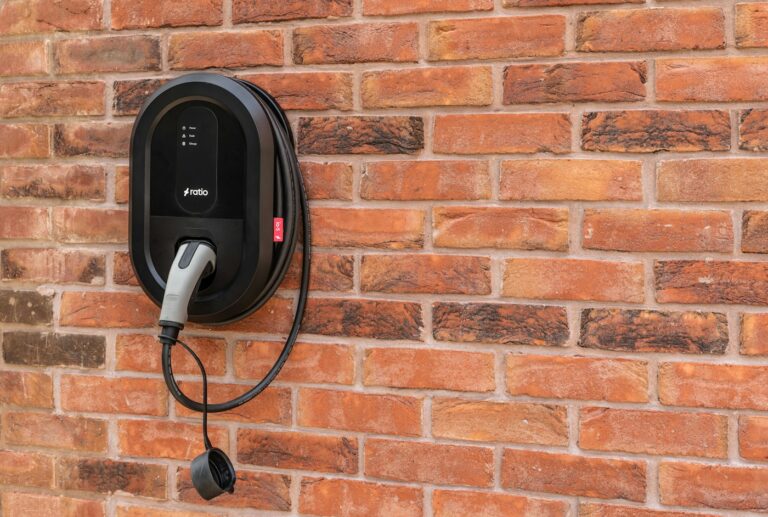
- EV charging for electric bikes as well as cars, where demand exists.
- Shuttle partnerships with nearby properties to share costs.
The garage as a mobility hub
Parking facilities sit at the intersection of these trends. A garage can host bike storage, car sharing, charging, delivery lockers and ride-hail staging alongside traditional parking. Some planners describe this as a mobility hub, a place where people switch between modes. Not every facility suits this approach, but the idea encourages owners to think about their space as access infrastructure rather than simply storage for parked cars. Watching how people actually reach a property, and adjusting over time, is the most reliable guide.
Assessing How People Reach a Property, Step by Step
Before investing in bike racks, scooter corrals or shuttle service, it helps to understand how people actually arrive. A simple assessment:
- Observe arrivals. Spend time at entrances during busy periods and note how people arrive: driving and parking, dropped off, walking, biking, scooting or by shuttle or transit.
- Ask guests and employees. Short surveys or check-in questions can reveal travel patterns and unmet needs.
- Map the approaches. Note sidewalks, bike lanes, transit stops, ride-hail pickup points and where scooters and bikes tend to be left.
- Identify conflicts. Look for blocked walkways, unsafe crossings, crowded curbs and confused visitors.
- Review local rules. Check city regulations on shared micromobility, bike parking requirements and curb use with the transportation department.
- Choose targeted improvements. Address the biggest conflicts and the most common arrival modes first.
- Revisit periodically. Mobility patterns change. Observe again after improvements and as new services appear.
A Worked Example
Imagine a hypothetical downtown hotel near a transit station. Staff notice that shared scooters often pile up beside the main entrance, ride-hail cars stop in the travel lane and some employees chain bikes to railings because no racks exist. The hotel designates a scooter parking area along the side of the building, clear of the entrance and accessible routes, after confirming the plan fits city rules. It installs bike racks near the staff entrance and a few for guests near the front. It works with ride-hail platforms to set a pickup point at a safer spot along the frontage and adds transit directions to its pre-arrival emails. The entrance becomes calmer and more accessible, and guests have clearer options for arriving without a car.
Common Mistakes and How to Avoid Them
- Placing racks or corrals in walkways. Parking for bikes and scooters should never narrow accessible routes or block entrances.
- Assuming everyone drives. Planning only for cars can leave other visitors with poor, unsafe options.
- Ignoring employees. Staff often have the most regular, predictable travel needs and benefit from secure bike parking and transit information.
- Launching shuttles without data. Estimate demand and costs before committing to a service.
- Overlooking e-bike and scooter battery safety. Where charging is provided, follow manufacturer guidance and applicable fire codes.
Questions Property Owners Ask
Do shared scooters and bikes help or hurt a property?
Both are possible. They can make a property easier to reach, but they need designated parking and good management to avoid clutter and hazards.
Is secure bike storage worth the space?
For properties with regular cyclists, such as employees, residents or extended-stay guests, secure storage is often valued highly and takes up relatively little space compared with car parking.
How can a property share transit information reliably?
By linking to or referencing the local transit agency’s official sources rather than reproducing schedules that may change.
What This Means for Parking Operators
Changing mobility does not make parking irrelevant; it broadens what a parking facility can be. Operators who track how people arrive, adapt their curb and garage space to match and add services thoughtfully can keep their facilities useful and well used as travel patterns continue to evolve.
For many facilities, the first step is modest: a few bike racks, a clearly marked ride-hail zone and better information for visitors who arrive without a car. Each small change makes the property easier to reach and gives the operator a clearer picture of what to add next.