Parking has a reputation as one of the simplest businesses imaginable: pave a lot, put up a sign and collect money. Anyone who has worked in parking operations knows that picture misses a great deal. Here are some common misconceptions about the parking business and the realities behind them.
Myth: A parking lot runs itself
Fact: Even a small surface lot needs ongoing attention. Pavement cracks and fades, striping wears, lighting fails, signs get damaged and debris accumulates. Payment equipment needs service and software updates. Customers need help when machines fail or they lose a ticket. Enforcement, insurance, taxes and reporting all require time. Larger facilities add staffing, security, structural maintenance and complex technology. Parking can be operationally efficient, but it is rarely passive.
There is also the contractual side. Many facilities operate under management agreements or leases with detailed reporting, budgeting and audit requirements. Meeting those obligations accurately, month after month, is a real part of the work and a large part of what owners judge an operator on.
Myth: More spaces always means more revenue
Fact: Revenue depends on demand, pricing and location, not just capacity. A facility with too many spaces for local demand may sit half empty. Meanwhile, a well-located smaller facility can outperform a larger one if it captures high-value short-term parkers. Adding capacity also adds costs. Many operators find that better management of existing spaces, through pricing, reservations, signage and partnerships, improves results more than expansion would.
Myth: Parking is only about cars
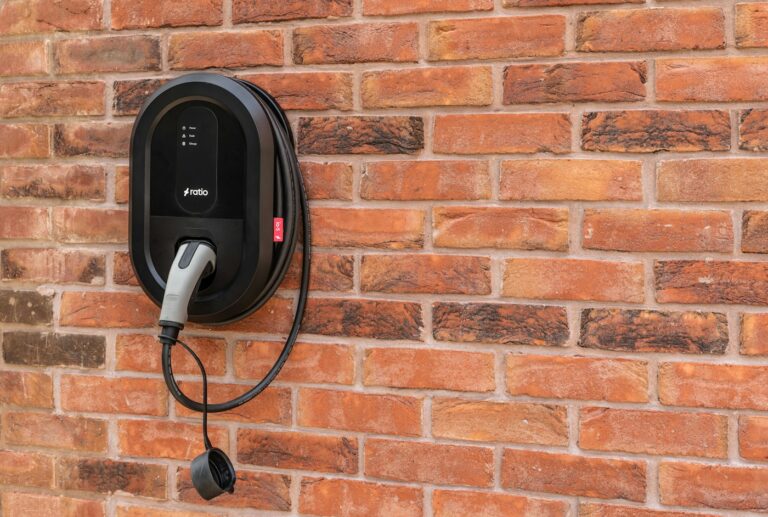
Fact: The modern parking business increasingly touches many forms of mobility. Facilities may host electric vehicle charging, bicycle storage, ride-hail pickup zones, delivery staging, car-sharing spaces and transit connections. Some properties have explored converting underused levels to other uses. Thinking of a garage as a mobility hub rather than a car warehouse opens different possibilities.
Myth: Technology will eliminate the need for people
Fact: Technology has transformed parking, from license plate recognition to mobile payments to remote monitoring. It has changed the type of staffing many facilities need, often reducing booth cashiers. But people remain essential for customer service, maintenance, security, enforcement, event operations and resolving the exceptions that every system produces. The best operations pair good technology with well-trained staff who can step in when something goes wrong.
Myth: Parking customers only care about price
Fact: Price matters, but so do location, convenience, safety, cleanliness and ease of use. Many drivers will pay more for a facility that is well lit, easy to enter, clearly signed and close to their destination. A confusing exit process or a dark stairwell can drive customers elsewhere regardless of price. For hotels, hospitals, offices and retailers, parking is often a guest’s first and last impression of the property. Treating it as part of the customer experience, rather than just a transaction, tends to serve both the parker and the business the facility supports.
Myth: Parking Contracts Are All the Same
Fact: Agreements between owners and operators vary considerably. Some are management agreements in which the owner keeps revenue and pays a fee; others are leases in which the operator pays rent and keeps the upside. Within each type, the details, including expense definitions, capital responsibilities, reporting, audit rights, insurance and termination terms, can change how the arrangement works in practice. Two facilities with similar revenue can produce very different results for their owners depending on those terms. Any specific agreement should be reviewed with an attorney and accountant who understand the parking industry.
Myth: Parking Demand Never Changes
Fact: Demand shifts constantly. New buildings open nearby, employers change work policies, transit routes change, events move and travel patterns evolve. A facility that filled every weekday a few years ago may now see strong midweek days and quiet Mondays and Fridays. Operators who review occupancy by hour and by day of the week, and revisit monthly contract ratios and rates as patterns change, adapt more successfully than those who assume yesterday’s demand will continue.
Putting the Facts to Work: A Quick Self-Assessment
Owners and managers can test their own facility against these realities with a few simple questions:
- Is there a written maintenance and inspection schedule? If not, the facility may be running on reactive repairs.
- Do we know occupancy by hour and day? Without it, pricing and contract decisions rely on assumptions.
- When did we last review rates? Rates set years ago may no longer match demand or the competition.
- How do customers rate the experience? Reviews, complaints and staff observations reveal problems with lighting, signage, cleanliness or exit flow.
- What non-car uses could the facility support? Charging, bike storage, delivery staging or ride-hail zones may fit some sites.
- Who handles exceptions? Every technology has failure points. Someone must be ready to resolve them, on site or remotely.
Questions People Ask About the Parking Business
Is parking a good business to get into?
Parking can be a steady business in the right location with the right management, but it carries real costs, risks and competition. Anyone considering an investment should evaluate the specific site and consult qualified financial, legal and real estate professionals.
Why do some garages feel safer than others?
Lighting, cleanliness, visibility, signage, working equipment and visible care make a large difference. Many of these factors are under the operator’s direct control.
What is the biggest operating cost?
It varies by facility. Labor is often significant at staffed facilities, while maintenance, utilities, insurance, technology and taxes can dominate elsewhere. An operator’s budget shows the breakdown for a specific site.
Will demand for parking decline as mobility changes?
Mobility patterns are evolving, and demand varies widely by location. Many facilities are adapting by adding services and flexible uses rather than relying solely on traditional parking.
What This Means for Owners
The common thread in every myth is the idea that parking is passive. In practice, a parking facility rewards the same attention as any other operating business: clear goals, good data, careful maintenance and a focus on the customer. Owners who treat their facilities that way tend to see it in both performance and asset value over time.
That attention does not have to be elaborate. A monthly review of occupancy and revenue, a written maintenance calendar, regular walks through the facility and a habit of reading customer feedback are enough to separate a well-run facility from one that is simply open for business.