Not long ago, paying for parking meant fumbling for coins, feeding a machine or handing cash to an attendant. Today, a growing share of parking transactions happens on a phone. Drivers can find a space, see the price, reserve it, pay and extend their time without touching a machine. For operators, these tools change how demand is captured, how revenue flows and what customers expect.
Pay-by-phone for on-demand parking
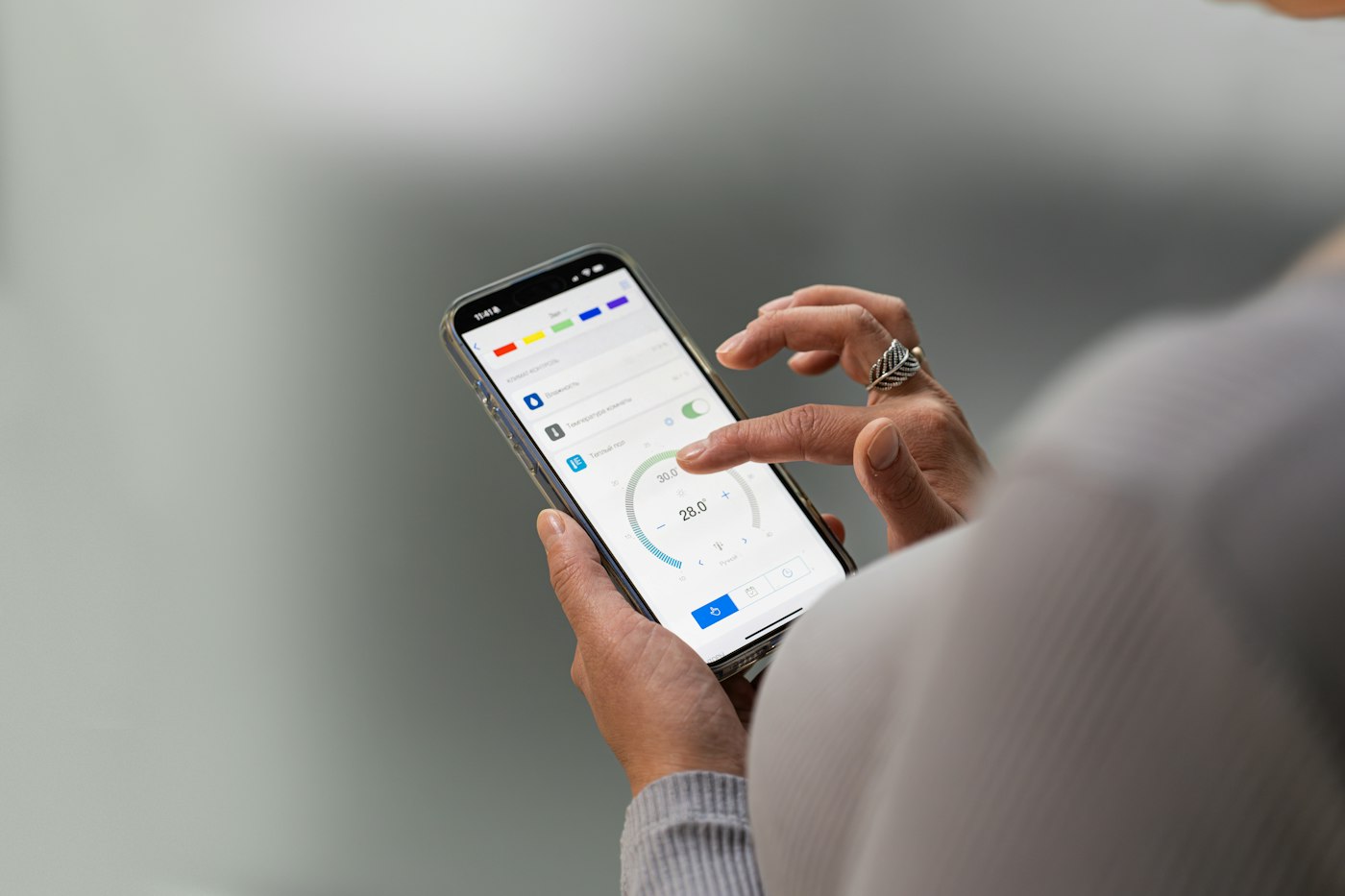
Mobile payment apps let drivers start a parking session by entering a zone or location number, often posted on signs. The app links payment to the vehicle’s license plate or space number. Enforcement staff can check sessions electronically. Common features include reminders before time expires and the ability to extend a session remotely where local rules allow.
For operators and municipalities, pay-by-phone can reduce reliance on physical machines, cut cash handling and provide detailed data on when and where people park. It also introduces new considerations, such as transaction fees, customer support for app users and the need to serve drivers who do not use smartphones.
Advance reservations
Reservation platforms allow drivers to book a space before they arrive, usually at a garage or lot. This is especially popular for events, airports, busy downtowns and travel destinations. Customers value certainty: they know they have a space and what it will cost. Operators gain advance visibility into demand and can sell inventory in markets they might not otherwise reach.
Some operators manage reservations through their own websites and systems. Others list inventory on third-party marketplaces that charge a commission or fee. Many use a combination.
Managing inventory across channels
Selling parking through multiple channels raises the same challenges hotels face with online travel agencies. Operators need to decide:
- How many spaces to make available for advance booking versus drive-up customers.
- Whether reserved prices should differ from drive-up rates.
- How to handle customers who arrive early, stay late or do not show up.
- How reservation systems connect to gate equipment so customers can enter smoothly.
Integration matters a great deal. If a customer arrives with a reservation and the gate does not recognize it, the convenience disappears and staff must step in.
What customers expect now
As digital tools spread, customer expectations rise. Drivers increasingly look for clear pricing before arrival, simple payment, digital receipts and easy ways to get help. They notice when rates shown online differ from posted signs, or when entry instructions are confusing. Consistency across every touchpoint, from the app to the signage to the attendant, builds trust.
Keeping the human element
Technology does not eliminate the need for good service. Phones die, apps glitch and some customers prefer to pay at a machine or with cash where it is accepted. Operators who keep reasonable alternatives, staff or remote support available, and clear instructions posted at the facility serve the widest range of customers. The best digital experience still depends on a well-run facility at the other end.
Launching a Reservation Program, Step by Step
Adding advance reservations to a facility involves more than listing spaces online. A careful launch usually follows this sequence:
- Study demand patterns. Identify the days and times when the facility fills, and the events, seasons or travel periods when customers would value certainty most.
- Decide on an allocation. Choose how many spaces to offer for reservation at different times. Start conservatively and expand as data accumulates.
- Set pricing rules. Decide whether reservations cost the same as drive-up parking, more for the guarantee or less to encourage advance commitment.
- Confirm the entry experience. Test how a reservation customer actually gets in: a scanned code, a recognized plate or an attendant check. Try it yourself before launch.
- Write the policies. Set clear rules for early arrivals, late departures, cancellations, no-shows and refunds, and make them visible at booking.
- Train staff. Make sure attendants and remote support know how to look up reservations and resolve problems quickly.
- Review results. Track how many reservations are used, how many customers arrive with problems and how reservations affect drive-up availability.
A Worked Example
Consider a hypothetical garage near a performance venue. On show nights, the facility often fills before curtain time, and drivers who arrive late circle the block in frustration. The operator begins offering reservations for show nights only, holding back a portion of spaces for drive-up customers. In the first few weeks, a common problem surfaces: some customers cannot find the reservation code in their email at the gate. The operator adds a clear instruction at booking, sends a reminder with the code on the day of the show and posts a sign at the entrance explaining what to have ready. Entry lines shorten, and the facility gains a better picture of demand days in advance.
Common Mistakes and How to Avoid Them
- Launching before integration works. A reservation that the gate does not recognize turns a convenience into a complaint.
- Inconsistent pricing. Rates shown in an app that differ from posted rates without explanation erode trust.
- Selling every space in advance. Reserving the whole facility can leave no room for regular drive-up customers or monthly parkers.
- Ignoring transaction costs. Commissions, processing and app fees affect net revenue and should be part of every channel decision.
- Forgetting non-app customers. Some drivers do not have or want smartphones. Keep a clear alternative.
Questions Operators Ask
Should a facility use its own booking system or third-party marketplaces?
Many use both. Direct booking can lower costs and strengthen the customer relationship, while marketplaces can reach drivers who would not otherwise find the facility. The right mix depends on location, demand and costs.
How should no-shows be handled?
Policies vary. Some facilities treat a reservation as fully prepaid and nonrefundable; others allow cancellations up to a certain time. Whatever the rule, it should be clear at booking and applied consistently.
Does pay-by-phone replace pay stations?
Not always. Many facilities and cities keep at least some machines or alternative payment methods so every driver can pay. The balance depends on the customer base and local requirements.
What data from mobile payments is most useful?
Session start and end times, length of stay, location and the effect of rate changes. Together, these show demand patterns in far more detail than coin collections ever could.
What This Means for Customers and Owners
For drivers, the shift to digital payment and reservations means more certainty and less hassle when it works well. For owners, it means better data and new ways to reach customers, along with new costs and responsibilities. Facilities that pair good digital tools with clear signs, reliable equipment and helpful people tend to get the best of both.