License plate recognition, often shortened to LPR or ALPR, has moved from a specialized enforcement tool to a core part of many parking operations. Cameras read a vehicle’s plate as it enters or passes, and software turns the image into text that can be matched against permits, payments and reservations. The technology opens new possibilities, along with new responsibilities.
How it works
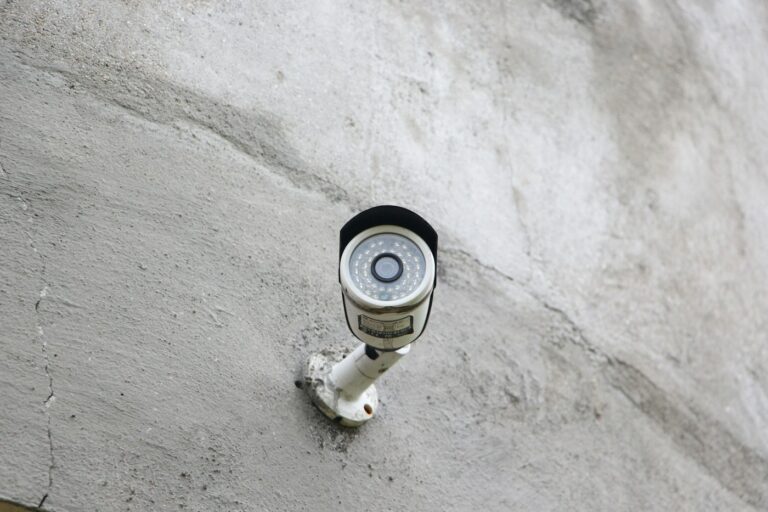
An LPR system combines cameras, often with infrared illumination for night use, and software that locates the plate in an image and reads its characters. The result is compared against a database. Fixed cameras sit at entry and exit lanes. Mobile cameras mounted on enforcement vehicles scan plates as they drive through lots or along streets.
Accuracy depends on camera placement, lighting, weather, plate condition and the variety of plate designs in a region. No system reads every plate correctly, so operations need a process for handling misreads.
Most programs therefore combine automated reads with human review. When the software is uncertain about a plate, an image can be flagged for a staff member to check before any charge or citation is issued. That review step adds cost, but it protects customers and the credibility of the operation.
Where it is used
- Ticketless entry and exit, where the plate serves as the ticket and payment is linked to it.
- Permit management, replacing hangtags or stickers with plate-based permits.
- Enforcement, allowing staff to check large numbers of vehicles quickly against paid sessions.
- Gateless facilities, where cameras record arrival and departure and customers pay through an app, kiosk or online.
- Occupancy and duration analysis, giving operators a clearer view of how long vehicles stay.
Operational benefits
For operators, LPR can reduce equipment such as ticket dispensers, speed up lane throughput, cut down on lost ticket disputes and make enforcement more efficient. For customers, it can mean fewer things to carry, lose or remember. Monthly parkers may simply drive in without reaching for a card.
Privacy, accuracy and policy
Because LPR collects data about where vehicles have been, it raises legitimate privacy questions. Responsible operators think carefully about:
- How long plate data is retained and why.
- Who can access the data and under what circumstances.
- How data is secured against breaches.
- How customers are informed that cameras are in use.
- How disputes over misreads or incorrect charges are resolved.
Rules on the collection and use of plate data vary by jurisdiction, and some states have specific laws. Operators should review applicable requirements with an attorney before deploying the technology.
Making it work in practice
Successful LPR programs tend to share a few traits: careful camera placement, a clear process for exceptions, good customer communication and a fair dispute system. Technology removes friction, but only if the human processes around it are designed with the same care. A customer wrongly charged because of a misread plate is a customer who may not come back.
Planning an LPR Rollout, Step by Step
Deploying license plate recognition well requires more than buying cameras. A careful rollout often follows this sequence:
- Define the goal. Decide whether LPR is meant to enable ticketless entry, replace permits, support enforcement, go gateless or improve data. Each goal shapes camera placement and process design differently.
- Survey the site. Study each lane and enforcement route for lighting, angles, vehicle speed and weather exposure. Poor placement is a leading cause of misreads.
- Write the data policy first. Decide on retention periods, access rules, security measures and customer notice before any data is collected. Review the policy with an attorney familiar with local requirements.
- Design the exception process. Determine who reviews uncertain reads, how quickly, and how a customer can dispute a charge or citation.
- Pilot a limited area. Start with a few lanes or one lot, measure read accuracy and exceptions, and refine before expanding.
- Communicate with customers. Explain what is changing, how to register plates if needed and how to get help.
- Review regularly. Track read rates, dispute volumes and customer feedback over time.
A Worked Example
Imagine a hypothetical office campus that replaces hangtag permits with plate-based permits. In the first weeks, most employees drive in without issue. A handful of problems appear: some employees forgot to register a second vehicle, a few rental cars were not in the system and one camera struggles with glare in late afternoon. The operator responds by sending a reminder about registering additional vehicles, creating a simple temporary registration process and adjusting the camera angle. Because human review was built in from the start, no one receives an incorrect citation during the transition, and confidence in the program grows.
Common Mistakes and How to Avoid Them
- Trusting every read. Automated reads should be reviewed before charges or penalties, especially early in a program.
- Collecting data without a purpose. Keeping plate data longer than needed increases risk without adding value.
- Forgetting out-of-region plates. Facilities that serve travelers see a wider variety of plate designs, which can affect accuracy.
- Making disputes difficult. A dispute process that is slow or hard to find damages trust quickly.
- Skipping signage. Customers should know that cameras are in use and how their information is handled.
Questions Operators and Owners Ask
Does LPR eliminate the need for staff?
It changes the work rather than removing it. Staff time shifts from handling tickets toward reviewing exceptions, assisting customers and maintaining equipment.
What affects read accuracy most?
Camera placement, lighting, vehicle speed, weather and plate condition. Dirty, damaged or obstructed plates are harder to read for any system.
Can customers opt out?
That depends on the facility’s design and policies. Some facilities offer alternative ways to enter and pay. Operators should be clear about the options and follow applicable laws.
How should data security be handled?
With clear access controls, encryption where appropriate, regular review of who can see data and a plan for responding to incidents. Vendors should be able to explain their own security practices in detail.
What This Means for Customers
From a driver’s point of view, a well-run LPR program mostly disappears. The gate rises, the session starts and the charge arrives as expected. That smooth experience depends on behind-the-scenes work that customers never see: accurate plate registration, careful review of uncertain reads, secure handling of data and a quick, respectful response when something goes wrong. Operators who explain plainly how the system works and how to get help tend to earn trust faster, and customers who trust a system are more willing to use the convenient features it makes possible.