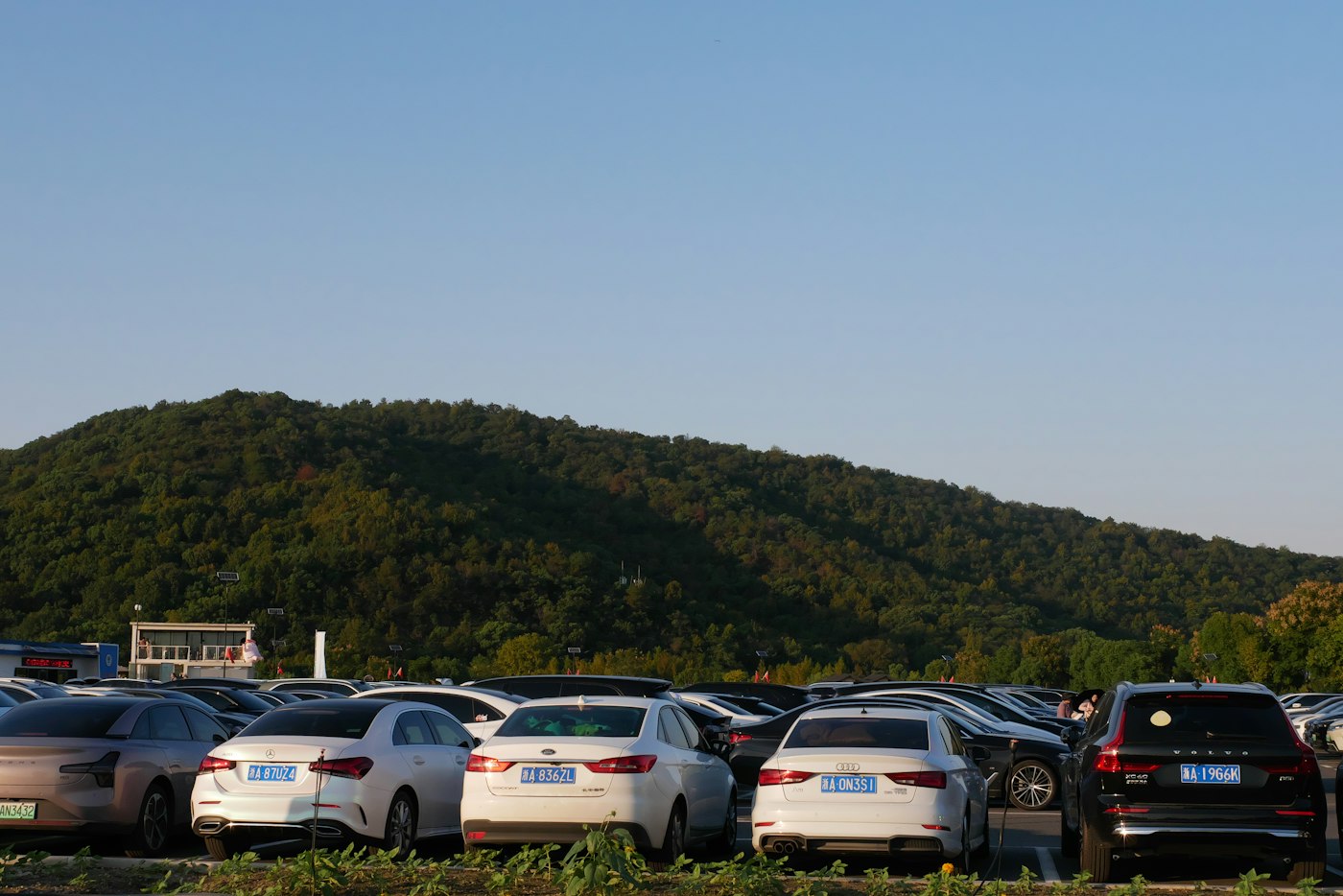
On a normal day, a parking facility fills and empties gradually. On an event day, thousands of vehicles may try to enter in the hour before a concert and leave within minutes of the final whistle. Event parking is its own discipline, and it rewards careful planning far more than improvisation.
Understanding the event
Every event has a profile. Planning starts with questions like these:
- What time do gates open, and when does the event start and end?
- How large is the expected crowd, and how many are likely to drive?
- Is it a single event or a doubleheader, with overlapping arrivals and departures?
- Will regular daily parkers still be in the facility when event traffic arrives?
- Are there street closures, police traffic plans or transit changes in the area?
Coordinating with venue staff and local authorities is often essential. Their traffic plans shape which routes customers will use to reach the facility.
Ingress: getting cars in quickly
The biggest risk on arrival is a queue that backs onto public streets. Common strategies include:
- Flat-rate pricing collected on entry, which avoids exit transactions altogether.
- Prepaid reservations, scanned at entry, which speed processing and give operators advance knowledge of demand.
- Additional entry lanes, sometimes by temporarily reversing exit lanes.
- Handheld payment devices, allowing staff to process vehicles in line before they reach the gate.
- Directed parking, with attendants guiding drivers to fill the facility efficiently.
Egress: getting everyone out safely
Departures are usually harder than arrivals because everyone leaves at once. When payment is collected on entry, exit gates can stay open, which removes the biggest bottleneck. Staff positioned at key intersections inside the facility help merge traffic. Coordination with outside traffic control determines how quickly vehicles can actually leave the area. Pedestrian safety deserves special attention, since crowds walking to their cars mix with moving vehicles.
Staffing and communication
Event operations often require more staff than a facility normally carries. Clear roles, radios, a pre-event briefing and a simple map of positions make a large difference. Staff should know how to handle common problems: a customer without a reservation when the facility is sold out, a disabled vehicle in a lane, a medical issue or a lost child.
Customers benefit from clear information before they leave home. Directions to the correct entrance, the price, accepted payment methods and the reservation process all reduce confusion at the gate. Signs should be large enough to read from a moving car at night.
The post-event review
After each event, a short debrief captures what worked and what did not. How long did the entry queue get? When did the facility fill? How long did it take to empty? Were there incidents? Over a season, these notes build an operating playbook that makes every event a little smoother than the last.
Building an Event-Day Timeline
A written timeline keeps a large, temporary team working from the same plan. While every event differs, a typical sequence looks like this:
- Several days before: confirm the event schedule, expected attendance and any traffic or street closure plans. Finalize staffing, rates and reservation limits, and send customers clear directions.
- The day before: test equipment, charge radios and handheld devices, print signage and lay out cones and barriers. Notify monthly parkers if their access will be affected.
- Several hours before: hold the staff briefing, walk each position and confirm who is in charge of decisions such as closing the facility when full.
- During ingress: monitor queue length at every entrance, adjust lanes as needed and communicate the facility’s fill status to staff and, where possible, to arriving drivers.
- During the event: reset for departures by opening exit routes, positioning staff at merge points and confirming traffic coordination with outside authorities.
- During egress: keep vehicles and pedestrians moving safely, watch for disabled vehicles and respond quickly to blocked lanes.
- Afterward: reconcile revenue, record incidents and hold a short debrief while details are fresh.
A Pre-Event Checklist
- Event times, attendance estimate and any schedule changes confirmed with the venue.
- Staff assignments documented, with a map of positions.
- Radios charged and channels assigned.
- Handheld payment devices tested and connected.
- Reservation counts reviewed against capacity.
- Temporary signs placed and readable at night.
- Cones, barriers and lighting positioned for the planned traffic pattern.
- Procedures reviewed for sold-out conditions, medical emergencies and lost persons.
- Contact information confirmed for venue staff and local traffic officials.
Common Mistakes and How to Avoid Them
- Underestimating arrival compression. Most drivers arrive in a narrow window. Plan for the peak rate of arrivals, not the average.
- Collecting payment on exit. Any transaction at the gate after an event slows everyone. Wherever possible, collect on entry or in advance.
- Overselling reservations. Selling more spaces than can be delivered, without accounting for daily parkers who have not yet left, creates confrontations at the gate.
- Unclear authority. When the facility is full or an incident occurs, someone must be empowered to decide. Name that person before the event.
- Skipping the debrief. Without notes, each event is planned from scratch.
Questions Facility Managers Ask
How many staff does an event need?
It depends on the facility layout, number of lanes, expected volume and payment method. Facilities that collect payment before arrival generally need fewer people at the gates but may still need attendants to direct parking and manage egress.
How should daily parkers be handled on event days?
Many facilities notify them in advance, reserve a section for them or set a time by which non-event vehicles should leave. Clear communication prevents unpleasant surprises for loyal customers.
What if the facility sells out?
Post a clear “full” message at entrances and on any digital channels as early as possible, and have directions ready to nearby alternatives. Turning drivers away calmly and early is far better than letting a line form for spaces that do not exist.
Are event operations worth the extra effort?
For facilities near busy venues, events can be a meaningful source of revenue. The operational effort pays off when planning makes each event safe, efficient and predictable.
What This Means for Owners and Neighbors
Event operations affect more than the facility itself. Queues that spill onto streets, pedestrians crossing unpredictably and slow exits all shape how neighbors, venue partners and local officials view a parking property. Owners who expect a written event plan, a staffing map and a short debrief after major events gain a clearer view of how the facility performs under its heaviest loads, and a stronger relationship with the community around it.