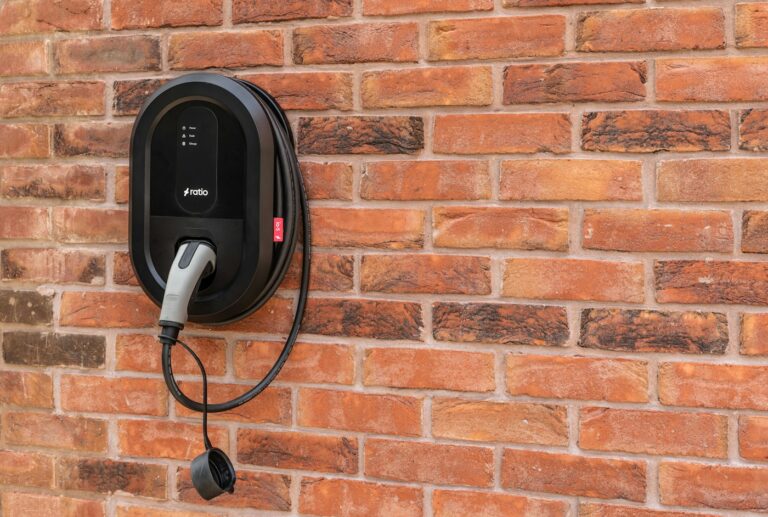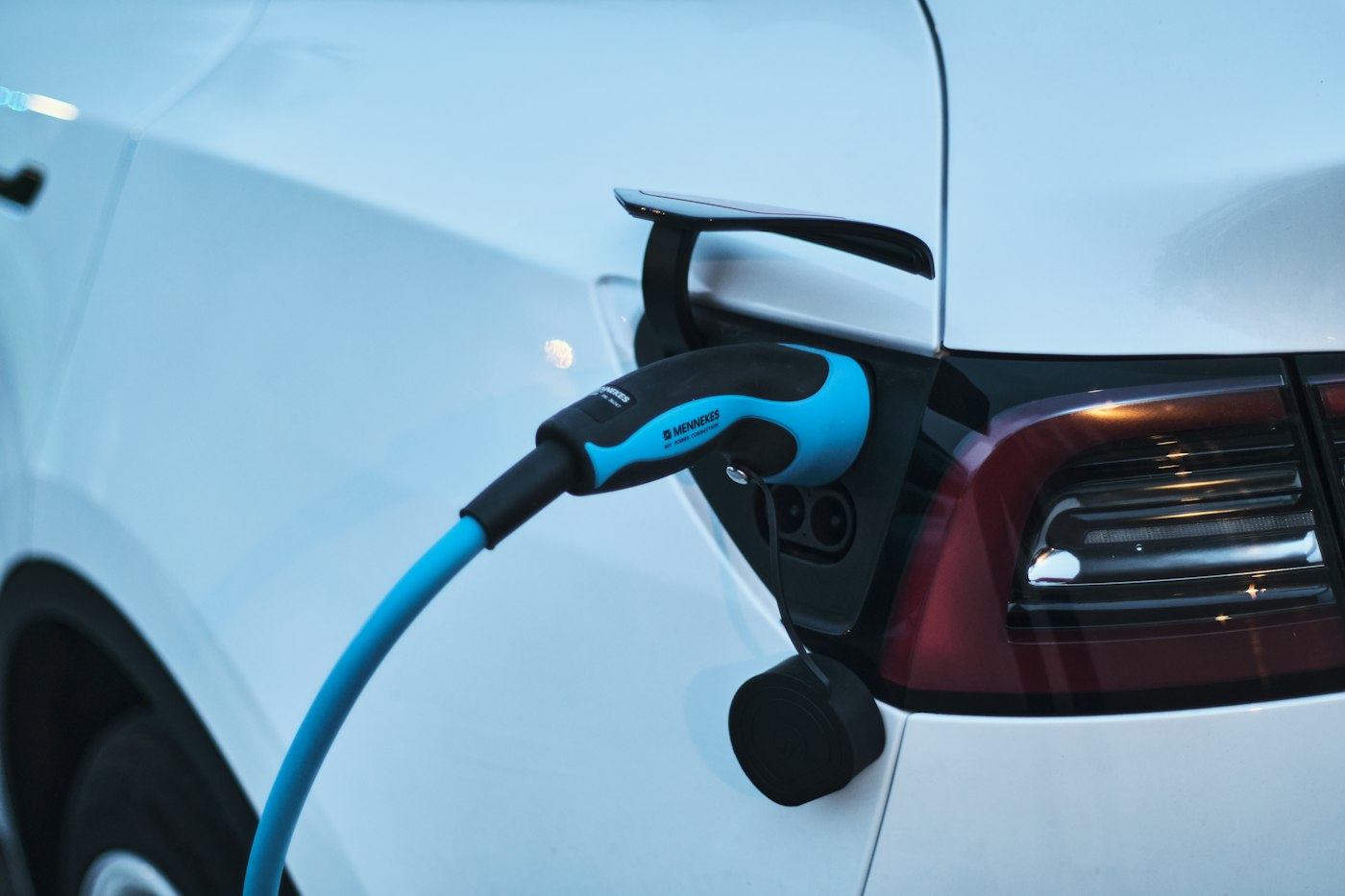
As electric vehicles become more common, parking facilities, hotels, retailers and property owners face a recurring question: should we offer charging, and if so, how? Charging can be a guest amenity, a revenue stream, a sustainability commitment or a competitive necessity. The business model behind it determines who pays, who earns and who carries the risk.
The main players
A charging installation typically involves several parties:
- The site host, who owns or controls the property where chargers are installed.
- The equipment provider, who manufactures the hardware.
- The network operator, who provides software for payment, access control, monitoring and driver apps.
- The electric utility, which supplies power and may need to upgrade service to the site.
- The installer, who handles electrical work and permitting.
Sometimes one company fills several of these roles.
Common ownership models
Host-owned. The site host buys and installs the chargers, pays for the network service and sets pricing. The host keeps the charging revenue and carries the cost of equipment, electricity and maintenance. This model gives the most control.
Third-party owned. A charging company installs and owns the equipment, often at little or no upfront cost to the host. The charging company sets prices and keeps most of the revenue, sometimes sharing a portion with the host or paying a fee for the use of the space.
Hybrid arrangements. Costs, control and revenue are split according to a negotiated agreement, such as the host paying for installation while a network partner handles operations.
The choice between these models often comes down to how central charging is to the host’s business. A property that sees charging as a core part of its guest offer may want ownership and control. A property that simply wants to offer the service without managing it may prefer a partner who handles the details, accepting less revenue in exchange for less responsibility.
Revenue and cost considerations
Charging revenue can come from energy fees, session fees, time-based fees and idle fees that discourage vehicles from occupying a charger after charging ends. Indirect benefits also matter: a hotel guest who chooses a property because it has charging, or a shopper who stays longer while their car charges.
On the cost side, site hosts typically weigh equipment, installation, electrical upgrades, network subscriptions, maintenance and electricity. Utility rate structures can be significant. Some commercial rates include demand charges based on peak power use, which can strongly affect the economics of high-powered chargers.
Questions to think through
- Who are the likely users: overnight guests, daily commuters, short-stop shoppers or fleets?
- How long do they typically stay? This affects which charging speed makes sense.
- How will chargers be maintained, and how quickly will broken units be repaired?
- How will spaces be managed so non-charging vehicles do not block them?
- Which utility programs or public incentives might apply? Check with the local utility and the relevant state energy office.
Every site is different, and agreements can be complex. Hosts considering charging should review proposals with qualified electrical, legal and financial professionals.
Evaluating a Charging Project, Step by Step
A charging decision is easier to make well when it follows a clear sequence rather than starting with a vendor’s proposal. Many site hosts find this order useful:
- Define the purpose. Decide whether charging is primarily a guest amenity, a revenue source, a tenant requirement, a sustainability goal or some combination. The purpose will guide every later choice.
- Understand the users. Estimate how many visitors drive electric vehicles today, how long they stay and how that may change. Guest surveys, tenant conversations and observation of existing parking can help.
- Assess electrical capacity. Have a licensed electrician review the existing service, panels and distance from power to the proposed spaces. Contact the utility early if an upgrade may be needed, since this can affect cost and timing significantly.
- Compare ownership models. Request proposals for host-owned, third-party-owned and hybrid arrangements so the trade-offs can be compared side by side.
- Model the economics. Estimate installation, network, maintenance and electricity costs against expected revenue and indirect benefits over several years, with conservative and optimistic cases.
- Plan operations. Decide who answers driver questions, how faults are reported and repaired, and how charging spaces will be signed and enforced.
- Review agreements with professionals. Contract terms, especially for third-party arrangements, can run for many years and deserve careful legal and financial review.
A Worked Example
Consider a hypothetical 120-room hotel weighing its options. Most guests arrive in the evening and leave the next morning. The owner wants to offer charging as an amenity but has no interest in managing a network or billing drivers. A third-party proposal offers to install and operate several chargers at little upfront cost, sharing a small portion of revenue with the hotel. A host-owned option would give the hotel full control over pricing and the ability to offer free charging to loyalty guests, but at a much higher upfront cost and with maintenance responsibilities.
The owner chooses based on what matters most: if guest experience and control come first, ownership may be worth the investment; if simplicity is the priority, the partner model may fit better. Neither answer is universally correct, which is why stating the purpose at the start is so important.
Common Mistakes and How to Avoid Them
- Underestimating electrical work. Trenching, panel upgrades and utility service changes can cost more than the chargers themselves.
- Ignoring demand charges. Review the site’s electric rate structure before committing to higher-powered equipment.
- Leaving maintenance undefined. A charger that sits broken for weeks frustrates drivers and can harm a property’s reputation. Agreements should state repair response times.
- Not managing the spaces. Without signage and enforcement, charging spaces fill with vehicles that are not charging.
- Signing long agreements without exit terms. Understand what happens to equipment, revenue and the space if the relationship ends.
Questions Site Hosts Ask
Should charging be free for guests or customers?
Some hosts offer free charging as an amenity; others charge to recover costs and keep spaces turning over. Either approach can work, provided pricing is clear and electricity costs are understood.
How many chargers should a site start with?
Enough to meet current, reasonably expected demand, with make-ready infrastructure for expansion. Starting modestly and expanding as usage grows limits risk.
Are incentives worth pursuing?
They can meaningfully change project economics. Programs vary by utility and state and change over time, so hosts should check current offerings with their utility and state energy office and confirm the requirements with their advisors.
Who handles driver support?
Usually the network operator, through an app or phone line, but on-site staff will still receive questions. Training them on the basics helps.