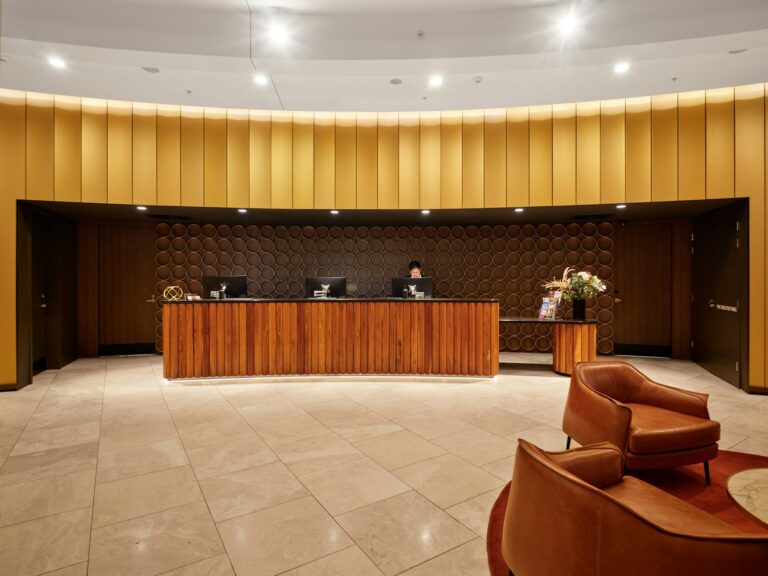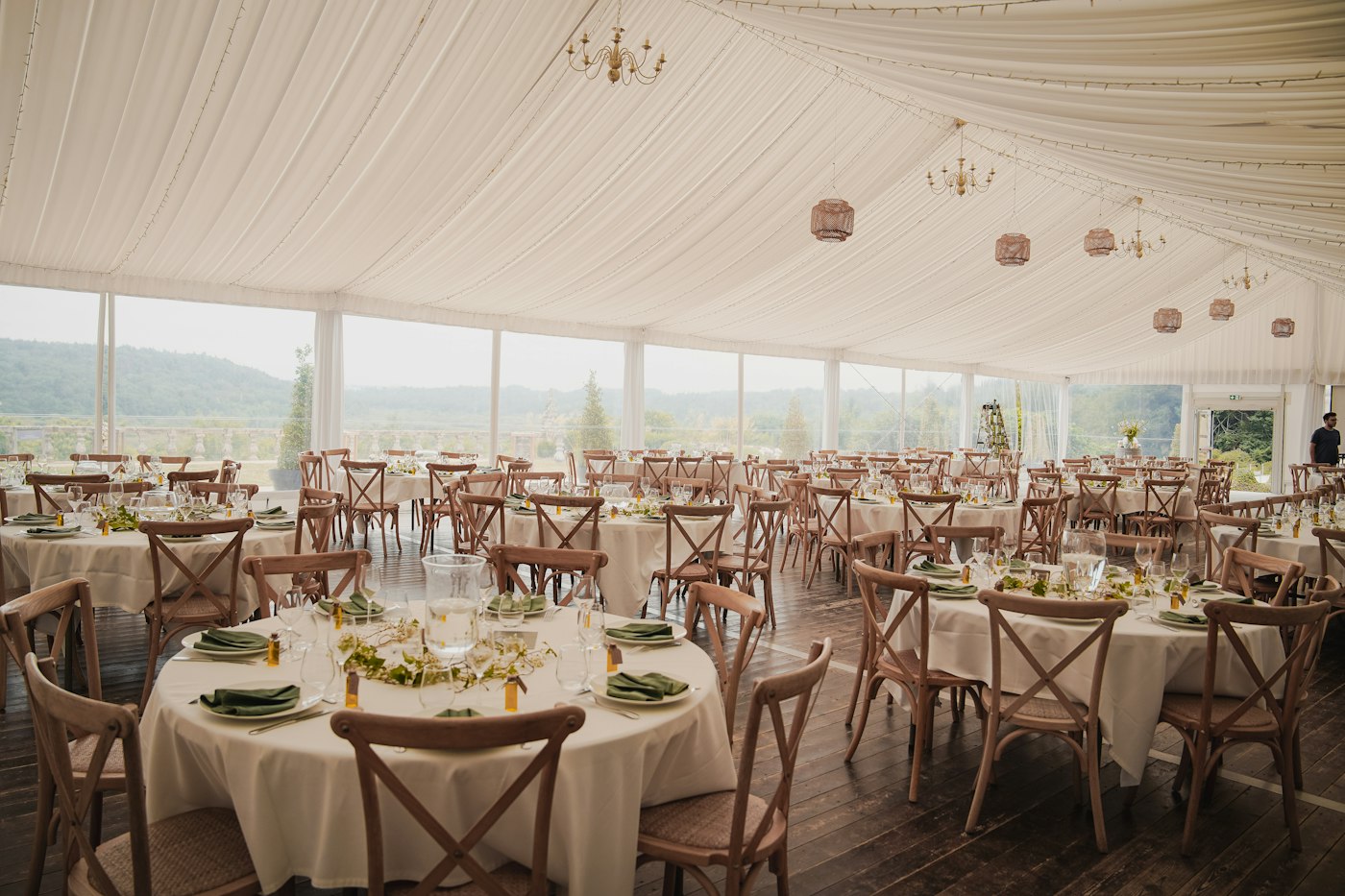
As spring arrives, many hotels see a rise in social group business: weddings, family reunions, graduations, sports tournaments and celebrations. These groups can fill rooms over weekends and bring business to restaurants and event spaces. They also require careful planning, clear contracts and close coordination. Understanding how group business works helps hotels serve these guests well and protects both the property and the group.
How room blocks work
A room block is a set of rooms a hotel holds for a group, usually at a negotiated rate. The group organizer, such as a couple planning a wedding, shares a booking link or code with guests, who then reserve individually. Blocks typically include:
- A number of rooms per night.
- A group rate.
- A cutoff date, after which unreserved rooms return to general inventory.
- Terms covering what happens if the group books fewer rooms than expected.
Some blocks are “courtesy blocks” with no financial obligation if rooms go unbooked. Others include attrition terms requiring the organizer to pay for some unused rooms. The difference matters a great deal to the organizer, and clear explanation prevents disputes later.
Events and space
Hotels with event space may host ceremonies, receptions, rehearsal dinners or brunches. These events are usually contracted separately or within a single agreement covering rooms and food and beverage. Common elements include minimum spending requirements, menus, room setup, timing, audiovisual needs and deposits. Clear timelines for final guest counts and menu selections help the kitchen and banquet team prepare.
Coordination before arrival
Social groups often include guests unfamiliar with the hotel and the area. Good coordination reduces friction:
- Share arrival information, parking details and directions with the organizer to distribute.
- Confirm the rooming list, special requests and accessibility needs ahead of time.
- Plan for welcome bags or amenity deliveries if requested.
- Schedule housekeeping, front desk and banquet staffing for peak arrival and departure times.
- Coordinate shuttle or transportation needs if events are off-site.
During the stay
Group weekends compress a lot of activity into a short window. Many guests arrive on the same afternoon and leave the same morning. Late-night returns from receptions may raise noise concerns for other guests. A designated point of contact for the organizer, regular check-ins during the stay and a plan for handling issues quickly all make a difference. For weddings especially, emotions run high, and calm, attentive service is remembered.
Balancing groups with other business
Groups take inventory that could otherwise be sold to individual travelers, often at different rates. Hotels typically weigh the value of a group, including rooms, food and beverage, and event revenue, against expected demand from other guests on the same dates. Contract terms vary widely, and organizers should read agreements carefully and ask questions before signing. For more complex events, organizers sometimes work with planners who understand hotel contracts.
Key Contract Terms, Explained in Plain Language
Group agreements can be long, and the terms that matter most are not always the ones that look important at first glance. This is general information only; organizers and hotels should have specific contracts reviewed by qualified advisors.
- Cutoff date. The date after which unreserved rooms in the block are released. Guests who book after the cutoff may pay a different rate or find no rooms available.
- Attrition. A clause describing how much of the block the group must use. If bookings fall below the agreed threshold, the organizer may owe the difference for some unused rooms.
- Cancellation. Terms for what happens if the group cancels entirely, often with charges that increase as the event date approaches.
- Food and beverage minimum. A minimum amount the group agrees to spend on catering, which may or may not include service charges and taxes.
- Deposits and payment schedule. When payments are due and whether they are refundable.
- Room setup and access times. When the group can enter event space to decorate and when it must be cleared.
- Outside vendors. Rules for bringing in photographers, florists, bands or caterers, including any insurance requirements.
Many disputes come from terms that one side assumed the other understood. Walking through each of these items together, and putting answers in writing, prevents most of them.
A Worked Example
Consider a hypothetical couple planning a spring wedding at a full-service hotel. They request a block of rooms for Friday and Saturday nights. The sales manager explains the difference between a courtesy block and a block with attrition, and the couple chooses a smaller block with modest attrition terms, planning to add rooms if bookings come in quickly. The hotel sets a cutoff a few weeks before the wedding. A month out, the sales manager sends the couple a pickup report showing how many rooms have been booked, which prompts a reminder to guests. Two weeks before the event, the couple confirms the final guest count and menu. During the weekend, a single point of contact at the hotel handles questions, coordinates late check-outs for the wedding party and makes sure the rehearsal dinner and brunch run on time. Clear communication at each stage keeps the experience calm for the couple and predictable for the hotel.
Common Group Business Mistakes
- Overestimating the block. Organizers sometimes request more rooms than guests will book. Starting smaller and adding rooms is often safer than paying for unused inventory.
- Forgetting to promote the booking link. Guests cannot use a block they do not know about. Reminders well before the cutoff help.
- Missing the rooming list deadline. Late or incomplete rooming lists make it harder for the hotel to assign rooms and honor special requests.
- Unclear communication chains. When several family members contact the hotel with different instructions, confusion follows. Designate one decision-maker.
- Ignoring other guests. Hotels need plans to keep group celebrations from disturbing travelers who are not part of the event.
Questions Organizers Ask
Can a room block be increased later?
Often, if the hotel has availability. Asking early improves the chances, especially during busy weekends.
What happens to rooms after the cutoff?
Typically, unreserved rooms return to the hotel’s general inventory. Some hotels will still honor the group rate after the cutoff if rooms remain, but that is not guaranteed.
Do guests pay for their own rooms?
In most social blocks, yes. Each guest books and pays individually, though some organizers choose to cover rooms for certain guests. The contract should make clear who is responsible for what.
Is it worth hiring a planner?
For larger or more complex events, a planner familiar with hotel contracts can help negotiate terms and manage logistics. For smaller gatherings, careful reading and clear questions may be enough.