The days before a trip are full of small questions. Where do I park? What time can I check in? Is there breakfast? How do I get in if I arrive late? When those questions go unanswered, guests arrive uncertain, call the front desk repeatedly or start their stay already frustrated. A clear pre-arrival message solves many of these problems before they begin and sets a welcoming tone.
Timing matters
Many hospitality businesses send a booking confirmation immediately and a separate pre-arrival message closer to the stay. The confirmation focuses on reservation details. The pre-arrival message, often sent a few days before arrival, focuses on what guests need to know for the trip itself. For short-term rentals, a final message with access details may follow on the day of arrival. Sending too early means guests forget the information; sending too late may not give them time to plan.
What to include
The most useful pre-arrival messages answer the questions guests ask most often. A practical list:
- Address and directions, including which entrance to use if there are several.
- Parking information: where to park, whether there is a fee, height limits for garages and options for oversized vehicles.
- Check-in time and process, including what to do if arriving early or late.
- Access instructions for properties with keyless entry or after-hours arrival.
- Wi-Fi and amenity details, such as breakfast hours or pool access.
- Contact information for questions, including how to reach someone after hours.
- Relevant policies, stated briefly, such as pets, smoking and quiet hours.
Keep it readable
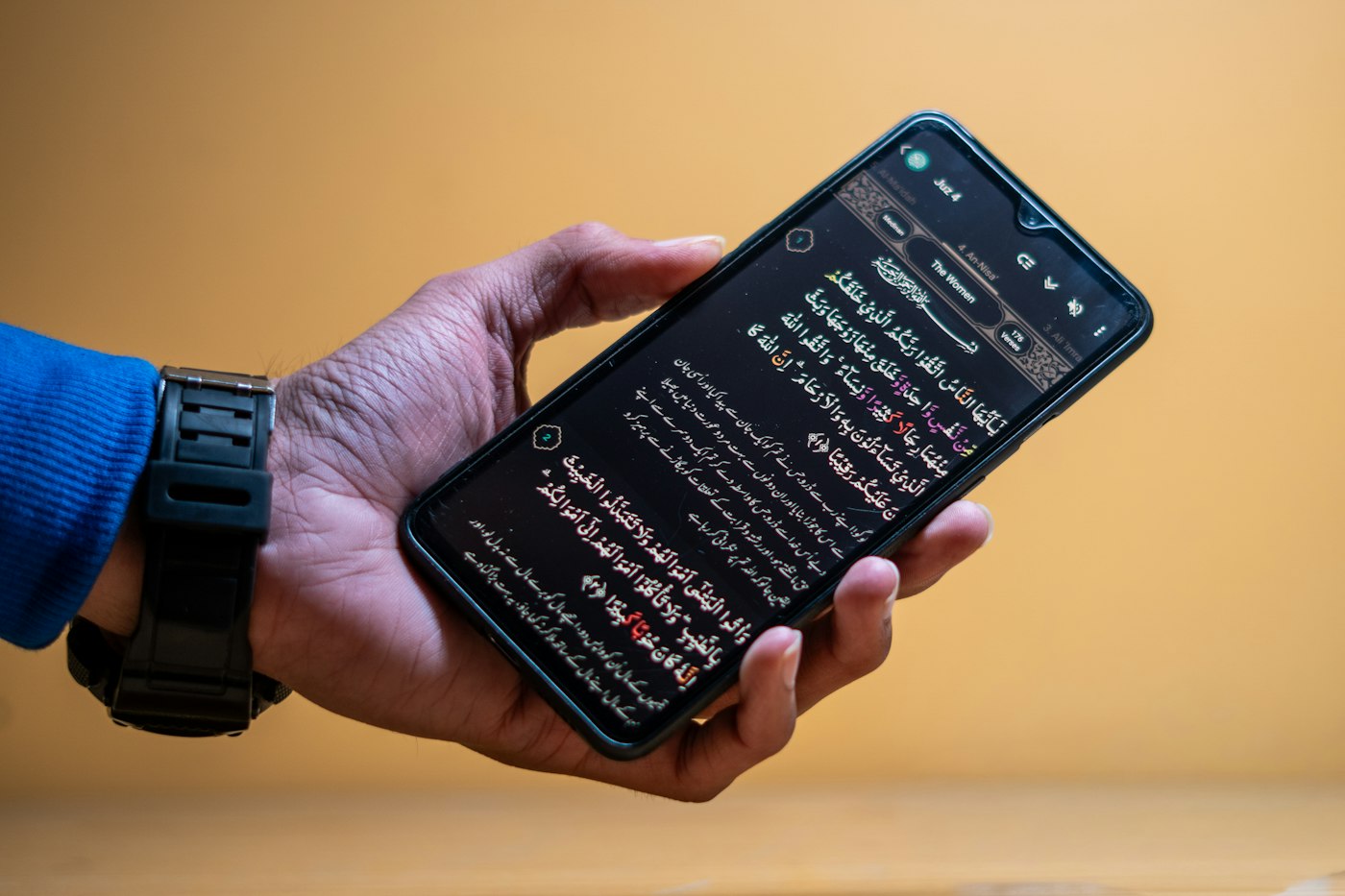
Pre-arrival messages are often read on a phone, sometimes in a parked car. Short paragraphs, clear headings and the most important details near the top help. Avoid burying critical information, like an access code or a gate instruction, in the middle of a long paragraph. A message that tries to say everything often ends up communicating nothing. Link to a fuller guide for guests who want more.
Personal touches
A pre-arrival message is also a chance to show hospitality. Using the guest’s name, mentioning the purpose of the trip if they shared it, or inviting them to share special requests can make the message feel personal. Some properties include a short list of nearby restaurants, attractions or seasonal events. Avoid heavy sales language. Offers for upgrades or add-ons can be useful if they are relevant and presented lightly.
Review it regularly
Pre-arrival messages tend to go stale. Hours change, parking arrangements shift and amenities close for renovation. A message that sends guests to the wrong entrance or promises a closed restaurant causes more harm than no message at all. Review templates at least each season, ask front desk or hosting staff which questions they still hear repeatedly and update the message to answer them. Over time, a well-maintained message becomes one of the most efficient guest service tools a property has.
Building the Message, Step by Step
A pre-arrival template comes together faster when it is built from the guest’s real questions rather than from a blank page. One practical approach:
- Collect the questions. For two or three weeks, ask front desk staff, reservation agents or hosts to jot down every question guests ask before or right at arrival. Patterns appear quickly.
- Rank by urgency. Anything a guest needs in order to physically arrive and get inside, such as the address, entrance, parking and access instructions, goes first. Amenities and recommendations come later.
- Write short answers. Aim for one or two sentences per item. If an answer needs more, it may belong in a linked guide.
- Read it on a phone. Send a test message to yourself and read it the way a guest would, on a small screen, ideally away from the property.
- Have a newcomer test it. Ask someone unfamiliar with the property to follow the directions and parking instructions exactly as written. Where they stumble, the guest will too.
- Set the send rules. Decide when the message goes out, what triggers a separate same-day message and who is responsible for updates.
A Worked Example
Imagine a hypothetical downtown hotel that shares a garage with an office building. Guests often pull into the office entrance, take a ticket and then discover hotel parking is validated only through a different lane. The front desk hears about it several times a day. The hotel rewrites its pre-arrival message so the second line reads, in plain words, which street to turn on, which garage entrance to use and what the entrance sign says. It adds the garage’s height clearance and a note on where oversized vehicles should go. The check-in time and late arrival instructions come next, followed by Wi-Fi and breakfast hours. Restaurant suggestions move to a linked guide. Within a few weeks, staff notice fewer confused calls from the garage and fewer frustrated guests at the desk.
Mistakes That Undermine a Good Message
- Burying the access code. For rentals and late arrivals, entry details should be easy to find in seconds, not hidden in a paragraph about house rules.
- Sending a policy wall. A long list of rules can make guests feel distrusted before they arrive. Keep policies brief and link to the full version.
- Using internal language. Terms like “porte-cochere,” “east tower” or “unit B-2” mean little to a first-time visitor. Describe what the guest will actually see.
- Forgetting seasonal changes. A pool that closes for the winter or a restaurant that shifts hours should prompt an update the same week.
- Overselling. Several upgrade offers in a single message can crowd out the practical information guests opened it to find.
- One template for every guest. Where the booking system allows, small variations for group guests, extended stays or guests arriving by car versus transit can make the message far more useful.
Questions Hosts and Managers Ask
Email, text or app message?
Many properties use more than one. Email works well for the fuller message, while a short text closer to arrival can carry the most time-sensitive details. The right mix depends on how guests booked and what they have agreed to receive, so follow applicable consent rules for text messaging.
Should the message include the access code?
For short-term rentals and after-hours arrivals, many hosts send codes only in a final message on the day of arrival. That limits how long a code is circulating and gives the host a chance to confirm the guest’s details first.
How long should the message be?
Long enough to answer the top questions and no longer. If the guest has to scroll a long way to find parking information, the message is probably trying to do too much.
How do we know it is working?
Watch the questions staff still hear. If guests keep asking about something the message covers, the information is either missing, unclear or placed too far down.