Few things signal the arrival of warm weather like the first busy evening on a patio. For restaurants, bars, hotels and resorts with outdoor space, spring opening can add meaningful capacity and a special atmosphere that guests seek out. It also brings its own operational challenges: weather, furniture, permits, staffing and service distance. A deliberate opening plan helps outdoor spaces earn their place.
Permits and rules first
Outdoor dining is often regulated separately from indoor seating. Depending on the location, operators may need permits for sidewalk seating, extensions of liquor licenses to outdoor areas, approvals for structures such as tents or heaters, and compliance with noise, accessibility and fire codes. Rules often change seasonally, and many cities post them on their official websites. Confirm requirements well before opening day, and check with the local licensing authority on any alcohol service questions.
Furniture, fixtures and equipment
Winter storage can be hard on outdoor furniture. Before opening:
- Inspect tables, chairs and umbrellas for damage, wobbles and rust.
- Clean cushions and fabrics, or replace them if faded or mildewed.
- Check lighting, outlets, heaters and fans for safe operation.
- Test any speakers or music systems against local noise rules.
- Review planters, barriers and railings for stability.
Layout deserves attention, too. Leave clear paths for servers, emergency access and guests with mobility devices.
Service flow and staffing
Outdoor spaces are often farther from the kitchen and bar, which can slow service. Some operators set up a service station outside with water, utensils, condiments and a point-of-sale terminal. Others adjust section sizes to account for longer walks. Consider whether the patio needs its own host, how guests will be seated during waits and how servers will handle weather changes mid-service. Training staff on these specifics before opening prevents a rocky first weekend.
Planning for weather
Spring weather is unpredictable. A weather policy helps staff respond consistently:
- Who decides when the patio opens or closes for the day?
- How will reservations be handled if the weather turns?
- Where will guests be moved if rain arrives mid-meal?
- How will furniture, umbrellas and decor be secured in wind?
Communicating the policy to guests, such as noting on reservations that patio seating depends on weather, reduces disappointment.
Staff should also know where weather gear, umbrella covers and furniture straps are kept, so a sudden storm does not turn into a scramble.
Making the space memorable
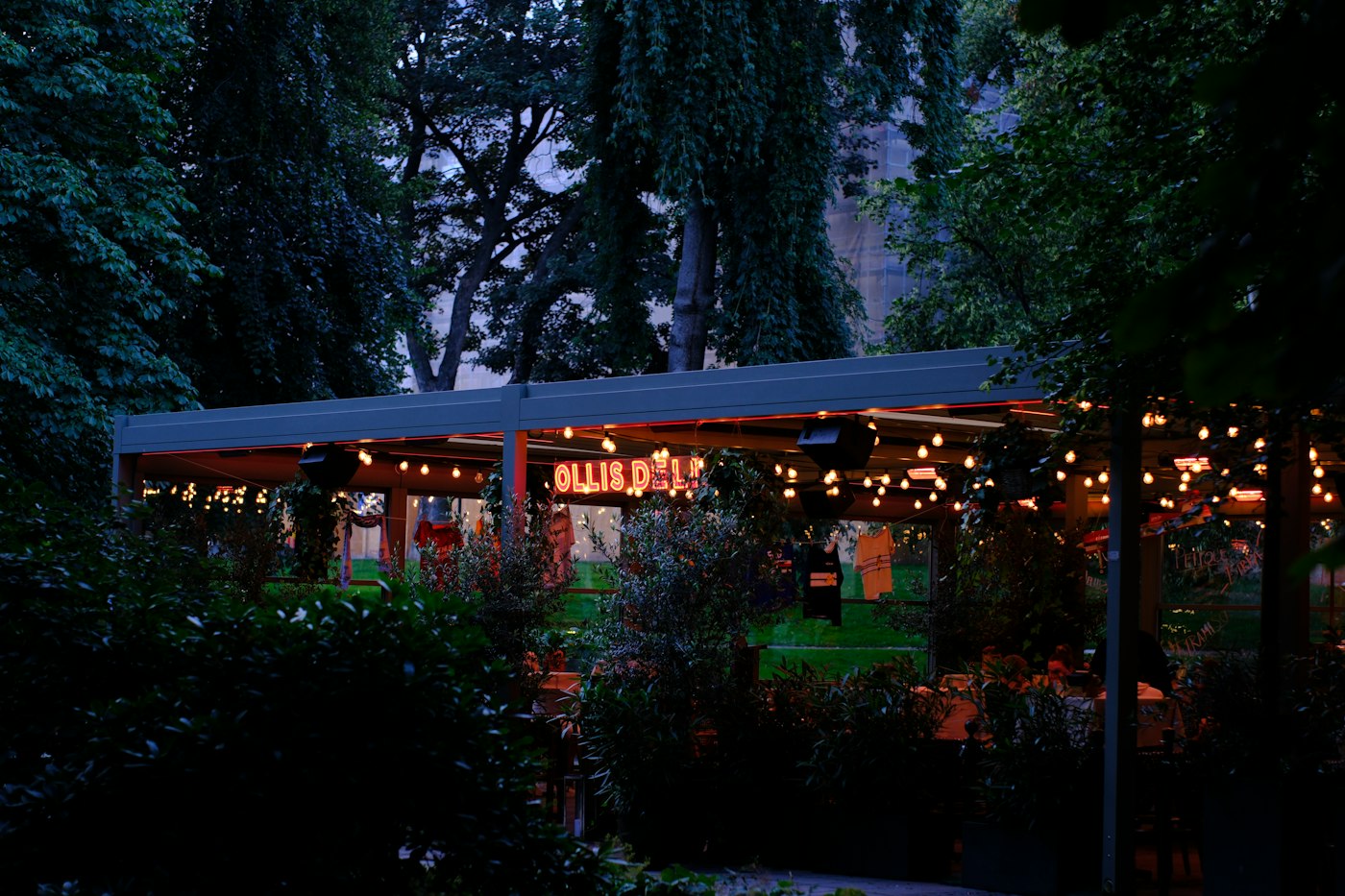
A good patio is more than extra seats. Shade, comfortable seating, thoughtful lighting and plantings shape whether guests linger. Some operators create a distinct outdoor menu or drink list suited to warm weather and quick service. Others use the space for seasonal events. Whatever the approach, keeping the area clean, well maintained and pleasant through the season matters, since outdoor spaces collect pollen, leaves and litter quickly. A patio that looks cared for invites guests to return all summer long.
A Patio Opening Timeline
Spreading the work across several weeks keeps opening day from becoming a scramble. One practical sequence:
Six to eight weeks before opening
- Review last season’s notes on what worked and what did not.
- Confirm permit, licensing and code requirements with the relevant local offices, and submit any renewals or applications.
- Inventory furniture, umbrellas, heaters and decor, and order replacements that may take time to arrive.
Three to four weeks before
- Bring furniture out of storage, clean it and complete repairs.
- Have electrical, gas and lighting equipment inspected and tested.
- Finalize the layout and floor plan, including table numbers and server sections.
- Plan any patio menu or drink list and confirm the kitchen and bar can support it.
One to two weeks before
- Train staff on patio service, the weather policy and where equipment is kept.
- Set up the outdoor service station and confirm the point-of-sale terminal works outside.
- Update the reservation system, website and listings to show patio availability and weather terms.
Opening week
- Do a soft opening with limited seating to test service flow before the first busy weekend.
- Gather feedback from staff after each shift and adjust sections, stations and timing.
Running the Patio Through the Season
Opening is only the beginning. A patio needs daily and weekly attention to stay inviting. A simple routine might include wiping down tables and chairs before each service, sweeping for leaves, pollen and litter, checking umbrellas and heaters for damage and emptying any standing water from planters or furniture. Weekly, staff might deep-clean cushions, inspect railings and barriers, check that lighting still works and review whether the layout is meeting demand. Keeping a short checklist posted near the patio door helps make these tasks part of the shift rather than an afterthought.
Neighbors matter, too. Outdoor dining brings activity, conversation and sometimes music into shared spaces. Paying attention to closing times, volume and cleanliness on the sidewalk helps maintain good relationships with nearby residents and businesses, which in turn supports future permit renewals.
Common Patio Mistakes
- Squeezing in too many tables. Tight layouts slow servers, frustrate guests and can block required access routes.
- No plan for sun. A patio that is pleasant at noon may be uncomfortable in late afternoon glare. Watch how sun moves across the space before deciding where shade goes.
- Treating the patio as an extension without its own staffing. Long walks to the kitchen add up. Without adjustments, outdoor guests often wait longer than indoor ones.
- Unclear seating promises. Guests who booked for the patio and are moved indoors without explanation may feel misled. Set expectations at booking.
- Neglecting closing procedures. Leaving umbrellas open or cushions out overnight invites damage from wind and rain.
Questions Operators Ask
Are patio heaters worth it in spring?
They can extend usable evenings during cool weeks, but they bring safety, fuel and code considerations. Confirm local fire rules and the manufacturer’s clearance requirements before using them.
Should the patio have a separate menu?
Not necessarily. A small selection of items that travel well from the kitchen and suit warm weather can help, but a full menu works if the kitchen can keep pace.
How should reservations work for outdoor seating?
Many operators accept patio requests with a clear note that seating depends on weather, and keep some indoor capacity available as a backup.
When should the patio close for the season?
Many operators set a target closing period based on past weather and demand, then watch conditions in the final weeks. Before storing everything, record notes on what needed repair, which layouts worked and what guests asked for. Those notes make next spring’s opening faster and help with budgeting for replacements.