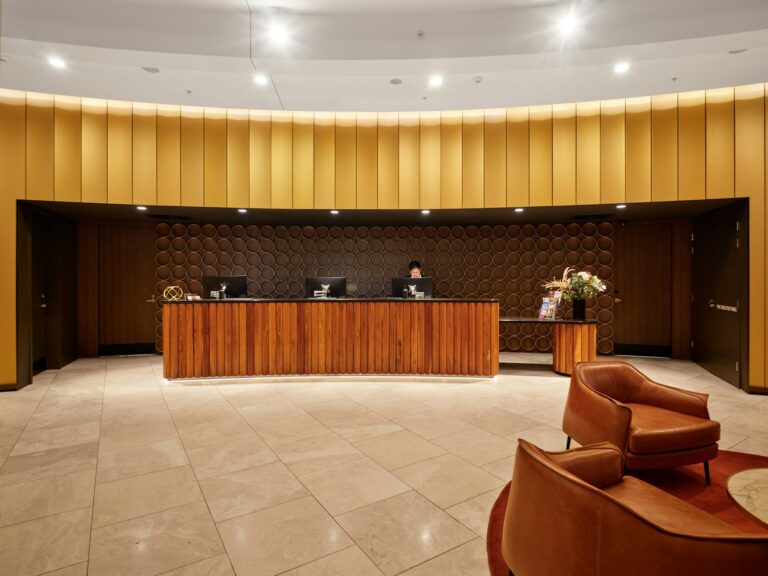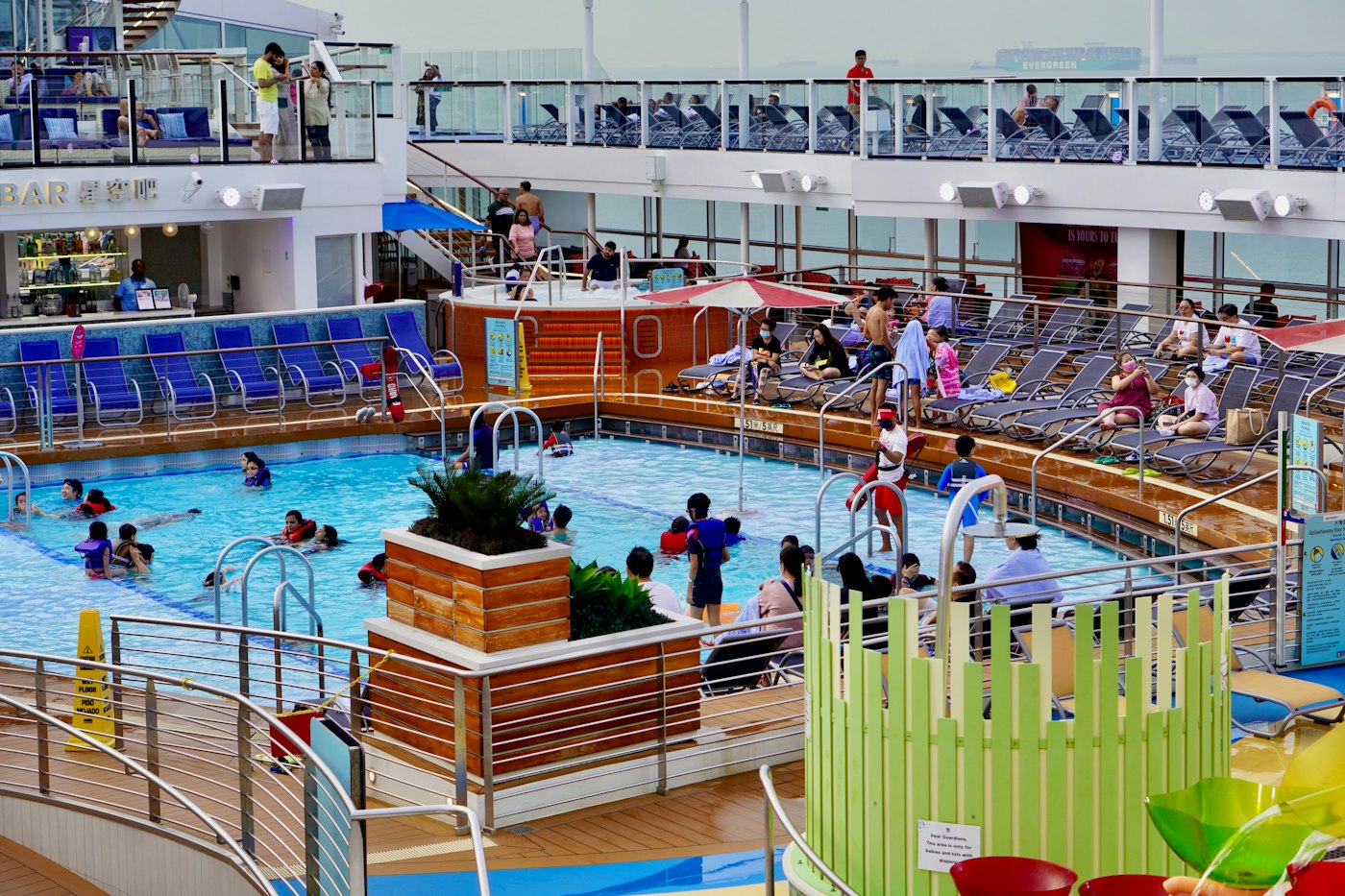
Hotels have long competed on amenities. Pools, fitness centers, business centers, shuttles, lounges, free breakfast, minibars and spas all appear in marketing materials and booking filters. Each also carries ongoing costs: staffing, maintenance, utilities, insurance and space that could serve other purposes. Deciding which amenities truly serve guests, and which have outlived their usefulness, is a recurring question for operators.
Why amenities matter
Amenities influence guests in several ways. Some affect booking decisions directly, especially when travelers filter search results by features such as parking, pools, pet policies or breakfast. Others shape satisfaction during the stay. And some, like a distinctive rooftop bar or a memorable pool, become part of the property’s identity. An amenity that drives bookings or reviews can justify its cost. One that few guests use may not.
Amenities guests often value
Expectations vary by market and property type, but some features commonly matter to many travelers:
- Reliable, easy Wi-Fi, often considered essential rather than an extra.
- Parking information and availability, especially at properties where guests drive.
- Breakfast, particularly for families and road trippers.
- Comfortable beds and quiet rooms, the foundation of the stay.
- Fitness facilities, valued by some business and wellness-focused travelers.
- Pools, especially at resorts and family-oriented properties.
- EV charging, increasingly relevant as electric vehicles become more common.
What matters most is often less the list of features than whether each one works as promised. A pool listed online but closed for repairs, or Wi-Fi that drops every evening, can generate more frustration than having no such amenity at all.
Amenities worth reconsidering
Some amenities have seen their role change as travel habits evolve. Business centers with desktop computers may see little use when most guests carry laptops and phones, though printing access often remains useful. Landline phones, printed directories and minibars are rethought at many properties. These shifts are not universal, so each property benefits from looking at its own guests rather than assuming trends apply everywhere.
How to evaluate an amenity
A practical evaluation considers several questions:
- Usage: how many guests actually use it, and when?
- Cost: what does it cost to staff, maintain, insure and supply?
- Influence: do guests mention it in reviews or search for it when booking?
- Brand requirements: is it required by a franchise agreement?
- Alternatives: could the space or budget serve guests better another way?
- Revenue: does it generate income directly, such as a bar or spa?
Simple observation, guest surveys, review analysis and staff input often reveal patterns quickly.
Small amenities with large effects
Not every valuable amenity is expensive. Phone chargers at the front desk, extra pillows, local recommendations, late checkout on request, a well-stocked coffee station and thoughtful lighting often make a stronger impression than large facilities. These small gestures show attention to how guests actually live during a stay. When operators reconsider their amenity mix, redirecting resources toward these everyday comforts can improve satisfaction without major investment.
Running an Amenity Review Step by Step
Evaluating amenities works best as a structured process rather than a debate based on impressions. A practical approach that many operators follow looks like this:
- List every amenity. Include the large ones, such as the pool and breakfast, and the small ones, such as the coffee station, the lending library and the luggage storage room.
- Gather usage information. Key-card data, breakfast counts, shuttle logs and simple tallies by staff during different times of day can show how often each amenity is used.
- Estimate the full cost. Include labor, supplies, utilities, repairs, insurance and the value of the space itself. A seldom-used room still costs money to heat, cool and clean.
- Read the reviews. Search guest reviews and survey comments for mentions of each amenity, both positive and negative. Note which ones guests bring up without being prompted.
- Check obligations. Review franchise standards, lease terms and any local rules before changing or removing an amenity.
- Decide among options. For each amenity, choose whether to keep it as is, improve it, change its hours, reposition it or retire it.
- Communicate changes. Update the website, booking channels and in-room materials so guests are not surprised.
- Revisit later. Check reviews and usage again after a few months to see whether the change worked.
A Worked Example
Consider a hypothetical mid-size hotel near a highway exit that still maintains a small business center with two desktop computers and a printer. Staff observation over several weeks shows that guests rarely use the computers but regularly print boarding passes and documents. Meanwhile, reviews frequently mention that the lobby lacks comfortable places to work or wait.
A sensible response might be to remove the desktop computers, keep a printer that guests can reach from their own devices, and turn the room into a quiet work area with good lighting, power outlets and a few comfortable chairs. The change keeps the function guests actually use, addresses a common complaint and may reduce maintenance. The example is illustrative, but the reasoning applies widely: start from what guests do, not from what the amenity was originally meant to be.
Common Mistakes in Amenity Decisions
- Cutting quietly. Removing an amenity without updating online listings leads to disappointed guests and negative reviews. Accurate listings matter more than the amenity itself.
- Judging by one season. A pool that sits empty in winter may be the main reason families book in summer. Usage should be reviewed across the full year.
- Overlooking the staff view. Front-desk and housekeeping teams often know which amenities guests ask about, and which cause the most complaints.
- Adding without maintaining. A new feature that is not maintained can quickly become a liability. Budget for upkeep at the same time as installation.
- Assuming every guest is alike. Weekday business travelers and weekend leisure guests may value very different things. Segmenting usage by day and guest type gives a clearer picture.
Questions to Ask Before Adding Something New
- What guest problem does this amenity solve, and how do we know guests have that problem?
- Who will be responsible for keeping it working every day?
- How will guests learn about it before and during their stay?
- What will we stop doing, or spend less on, to make room for it?
- How will we measure whether it succeeded?
Asking these questions up front helps keep a property’s amenity list focused on features that guests notice, use and remember, and keeps resources available for the everyday details that shape a good stay.