Ask people what matters most in a parking facility and many will say safety before price or convenience. A garage or lot that feels dark, empty or neglected can drive customers away regardless of its location. Security in parking involves more than cameras; it combines design, lighting, maintenance, technology, staffing and clear procedures. This overview covers the main elements operators commonly consider.
Lighting and visibility
Lighting is one of the most important factors in how safe a facility feels. Bright, even lighting reduces shadows and hiding places, helps drivers see pedestrians and supports camera footage. Many facilities have converted to LED fixtures, which typically offer better light quality and lower energy use. Painting ceilings and walls in light colors can improve brightness. Regular checks for burned-out fixtures, particularly in stairwells, corners and elevator lobbies, are essential.
Visibility also depends on design. Open sight lines, glass-backed elevators and glass-enclosed stairwells in some garages allow people to see and be seen.
Design principles
Many security professionals apply concepts associated with Crime Prevention Through Environmental Design, sometimes shortened to CPTED. The idea is that the physical environment can discourage crime and increase feelings of safety. In parking facilities, this can include clear entry and exit points, landscaping that does not block sight lines, well-defined pedestrian paths and signs of active care, such as cleanliness and maintenance. A well-kept facility signals that someone is paying attention.
Technology
Common security technologies in parking include:
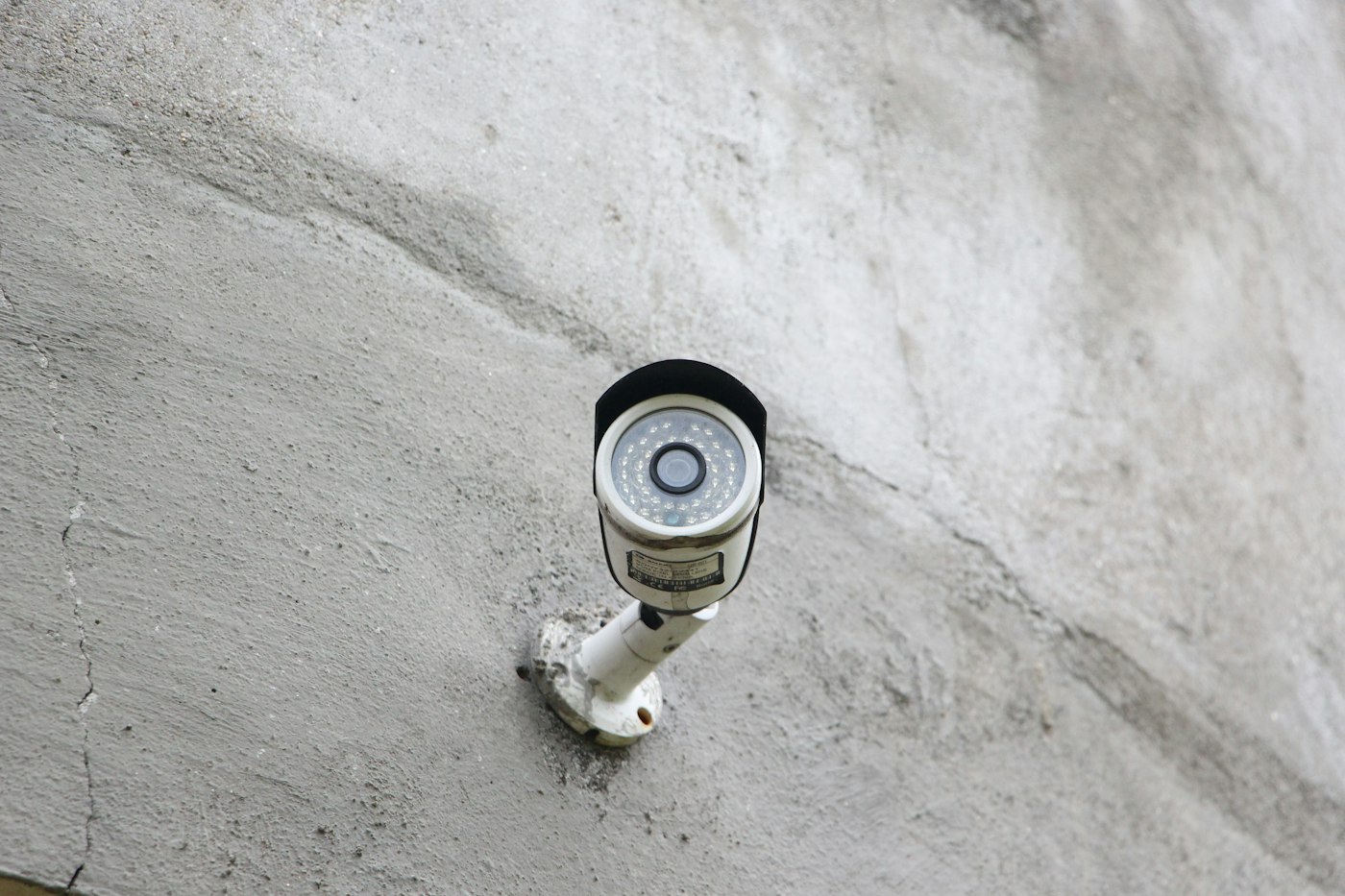
- Cameras covering entries, exits, pay stations, elevators and stairwells.
- Emergency call stations connecting customers to help.
- License plate recognition, which can support investigations in addition to payment.
- Access control for after-hours or restricted areas.
- Remote monitoring centers that watch multiple facilities.
Technology works best when it is maintained, monitored and paired with response procedures. A camera that is not recording, or a call box that rings unanswered, provides false reassurance.
Periodic testing helps. Walking the facility to confirm that every camera shows a clear image and every call station connects is a simple routine that catches failures early.
People and procedures
Staff presence makes a significant difference. Attendants, patrols and security officers deter problems and help customers. Even where staff are not constantly present, regular rounds and visible activity help. Procedures should cover how to respond to incidents, when to contact police or emergency services, how to document events and how to assist customers who feel unsafe. Some facilities offer escort services to vehicles during evening hours.
Maintenance as security
Security and maintenance are closely linked. Broken lights, graffiti, litter, damaged fencing and malfunctioning doors all signal neglect and can invite further problems. Addressing them promptly is one of the most cost-effective security measures available. Operators should also coordinate with local police, review incident patterns and consult security professionals and insurers when assessing specific risks. Over time, a facility that is bright, clean, staffed and responsive earns a reputation that brings customers back.
Building a Simple Security Routine
Most of the elements that make a parking facility safe depend on consistency. A strong routine turns good intentions into daily habits. Many operators structure their routine around three time frames.
Every shift
- Walk or drive every level, including stairwells and elevator lobbies, and note any fixtures that are out.
- Confirm that cameras are displaying and recording, and that monitors at the booth or office are actually being watched.
- Check that emergency call stations are lit and free of damage.
- Look for abandoned items, propped-open doors and vehicles that appear to have been broken into.
- Record anything unusual in a shift log, even if it seems minor.
Every week
- Test each call station by placing a call and confirming who answers and how quickly.
- Review the shift logs for patterns, such as repeated reports from one level or one time of night.
- Inspect fencing, gates, and door closers, and confirm that after-hours access points lock as intended.
- Clear litter and remove graffiti promptly.
Every month or quarter
- Review incident records with management and, where useful, with local police.
- Audit camera coverage against any layout changes, new signage or tree growth that may block views.
- Refresh staff training on emergency procedures and customer assistance.
- Walk the facility at night with fresh eyes, ideally with someone who does not work there every day.
Common Mistakes Operators Make
Security programs often fail in predictable ways. Recognizing them early makes them easier to avoid.
- Buying technology before defining the response. A new camera system without a clear plan for who watches it, how long footage is kept and how to retrieve it quickly after an incident adds cost without adding much safety.
- Letting small repairs wait. One dark corner or one broken stairwell door can undo the impression created by an otherwise well-run garage. Small fixes deserve fast attention.
- Inconsistent incident documentation. If one attendant writes detailed notes and another writes nothing, patterns stay hidden. A simple, standard form helps.
- Ignoring the customer’s perspective. Staff who work in a facility daily grow used to it. Customers notice the flickering light, the smell in the stairwell and the unclear exit sign immediately.
- Overpromising. Signs that suggest constant monitoring when it does not exist can create expectations the facility cannot meet. Clear, accurate messaging is better.
Seasonal and Event Considerations
Risks shift through the year. Shorter winter days mean more customers walking to their cars in the dark, so lighting checks matter more in late fall. Snow and ice change pedestrian paths and can hide curbs and markings. Holiday shopping seasons can bring more vehicles with packages visible inside. Large events, from concerts to conventions, can bring crowds unfamiliar with the facility all at once.
Operators often plan for these periods with extra staff, temporary lighting, clearer wayfinding and reminders to customers to keep valuables out of sight. A short pre-event briefing for staff, covering where to direct customers and whom to call for help, is a simple step that pays off.
Questions to Ask When Reviewing a Facility
- If a customer pressed an emergency button right now, who would answer, and what would they do next?
- Are there places in the facility where someone could be out of sight of both cameras and other people?
- How quickly can staff locate and export footage from a specific time and camera?
- Does the facility feel as safe at 11 p.m. as it does at noon?
- When did someone last review the facility’s security with an insurer or security professional?
Honest answers to these questions usually point directly to the next improvements worth making.