For many travelers, breakfast is the one hotel meal they reliably eat on property. It sets the tone for the day and shows up often in reviews, for better or worse. A breakfast program can range from a simple grab-and-go selection to a full-service restaurant. Choosing the right format and executing it consistently takes thought about guests, space, staffing and cost.
Choosing a service style
Hotels commonly offer one or more breakfast formats:
- Grab-and-go: packaged items, fruit, coffee and pastries for guests in a hurry.
- Continental or self-serve buffet: a selection of hot and cold items guests serve themselves, common at limited-service hotels.
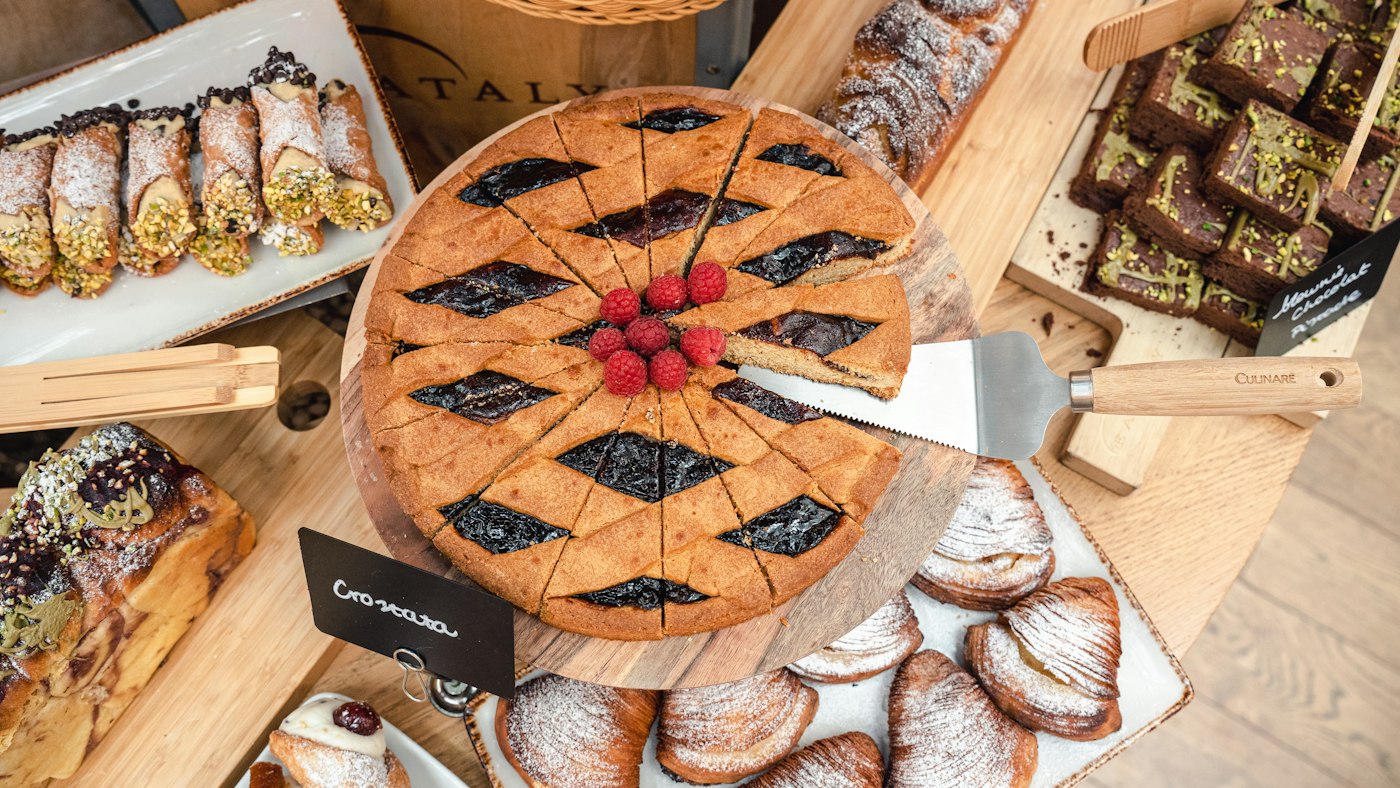
- Full buffet: a broader spread with hot dishes and stations, often at full-service hotels and resorts.
- À la carte: table service from a menu, typical in hotel restaurants.
- In-room dining: breakfast delivered to the room, at properties that offer room service.
The right choice depends on the guest mix. Business travelers often value speed. Families appreciate variety and flexibility. Leisure guests at resorts may want a relaxed, full-service experience.
Building the menu
A strong breakfast menu balances variety with manageability. Most programs cover a few essentials well: good coffee, fresh fruit, eggs, a bread or pastry option, cereals or yogurt, and something hot. Including options for common dietary needs, such as gluten-free, vegetarian and lower-sugar choices, helps more guests find something they enjoy. Clear labeling of ingredients and allergens is increasingly expected. A small local touch, such as a regional specialty or a pastry from a nearby bakery, can make breakfast memorable.
Timing and flow
Breakfast demand usually peaks in a narrow window, especially on weekdays and during group stays. Plan for:
- Opening early enough for guests catching flights or meetings.
- Staffing up during the rush and keeping items replenished.
- Seating capacity that matches peak demand.
- Extending hours on weekends, when leisure guests rise later.
- Grab-and-go options for guests who leave before service begins.
An empty coffee urn or a picked-over buffet at 8:30 on a Saturday is a common source of complaints.
Food safety and waste
Self-serve buffets require attention to temperature control, sneeze guards, utensil replacement and how long items remain out. Local health departments set food safety rules, and staff should be trained accordingly. Waste is also a concern. Tracking what guests take and what is discarded helps adjust quantities. Smaller serving vessels refilled more often can reduce waste while keeping the display fresh.
Making breakfast part of the experience
Breakfast is often where guests interact with staff in a relaxed setting. A friendly attendant who keeps the area tidy, refills coffee and answers questions about the day ahead adds real value. Hotels that treat breakfast as part of hospitality rather than a cost to minimize often see it reflected in reviews. Even a simple program, done well and with care, can become a reason guests return.
Setting Up a Breakfast Program, Step by Step
Whether a hotel is launching breakfast for the first time or rethinking an existing program, a structured approach helps:
- Know the guests. Review the guest mix by day of week and season. Weekday business travelers, weekend families and group guests may each need something different.
- Assess the space. Measure seating capacity, counter space for a buffet, electrical capacity for warming equipment and the distance from the kitchen or prep area.
- Choose a format. Select a primary service style and decide whether to add grab-and-go or weekend extensions.
- Draft a core menu. Start with a short list of items that can be done well every day, then add rotating options for variety.
- Plan staffing. Decide who prepares, who replenishes, who cleans and who greets guests during the busiest window.
- Confirm the rules. Review local health department requirements for food handling, storage and self-service, and train staff accordingly.
- Test and adjust. Run the program for a few weeks, watch how guests use it, and refine quantities, layout and timing.
Layout and Display Tips
For self-serve formats, the layout shapes the experience as much as the food. A few principles help guests move smoothly and keep the area looking fresh:
- Start with plates and end with utensils. Guests pick up a plate, move through the food and collect napkins and silverware at the end, so they do not juggle items along the way.
- Separate coffee from food. Coffee and juice stations are often the busiest spots. Placing them apart from the main line reduces bottlenecks.
- Label clearly. Small signs naming each item and noting common allergens help guests choose quickly and confidently.
- Keep the display compact. A smaller, well-stocked display looks more appealing than large, half-empty trays.
- Plan for cleanup. Visible spots for used dishes and frequent table clearing keep the room inviting during the rush.
Common Breakfast Mistakes
- Running out during the peak. Empty trays and coffee urns are among the most noticeable lapses. Assign someone to watch levels during the busiest window.
- Closing too early. Weekend and vacation guests often come down later. A closing time that suits weekday travelers may disappoint leisure guests.
- Too many items. A large menu that cannot be kept fresh is worse than a smaller one done well.
- Ignoring early departures. Guests leaving before breakfast opens appreciate even a simple coffee and grab-and-go option.
- Treating attendants as invisible. The staff member in the breakfast room is often the one guests see most. Training and recognition for that role pay off.
Questions Hotel Operators Ask
Should breakfast be included in the rate?
It depends on the market, the brand and guest expectations. Some properties include breakfast as a standard feature; others offer it as an add-on or package. Reviewing what comparable properties do and how guests respond helps guide the choice.
How can we reduce waste without running out?
Track what is taken and what is discarded each day, use smaller serving vessels refilled more often and adjust production to occupancy forecasts.
What about guests with serious food allergies?
Clear labeling helps, but self-serve buffets carry cross-contact risks. Staff should know how to answer questions, and guests with serious allergies should be invited to speak with staff about their needs.
How do we know if breakfast is helping the business?
Watch guest reviews and survey comments that mention breakfast, along with the cost per occupied room. Improvements in both suggest the program is earning its place.