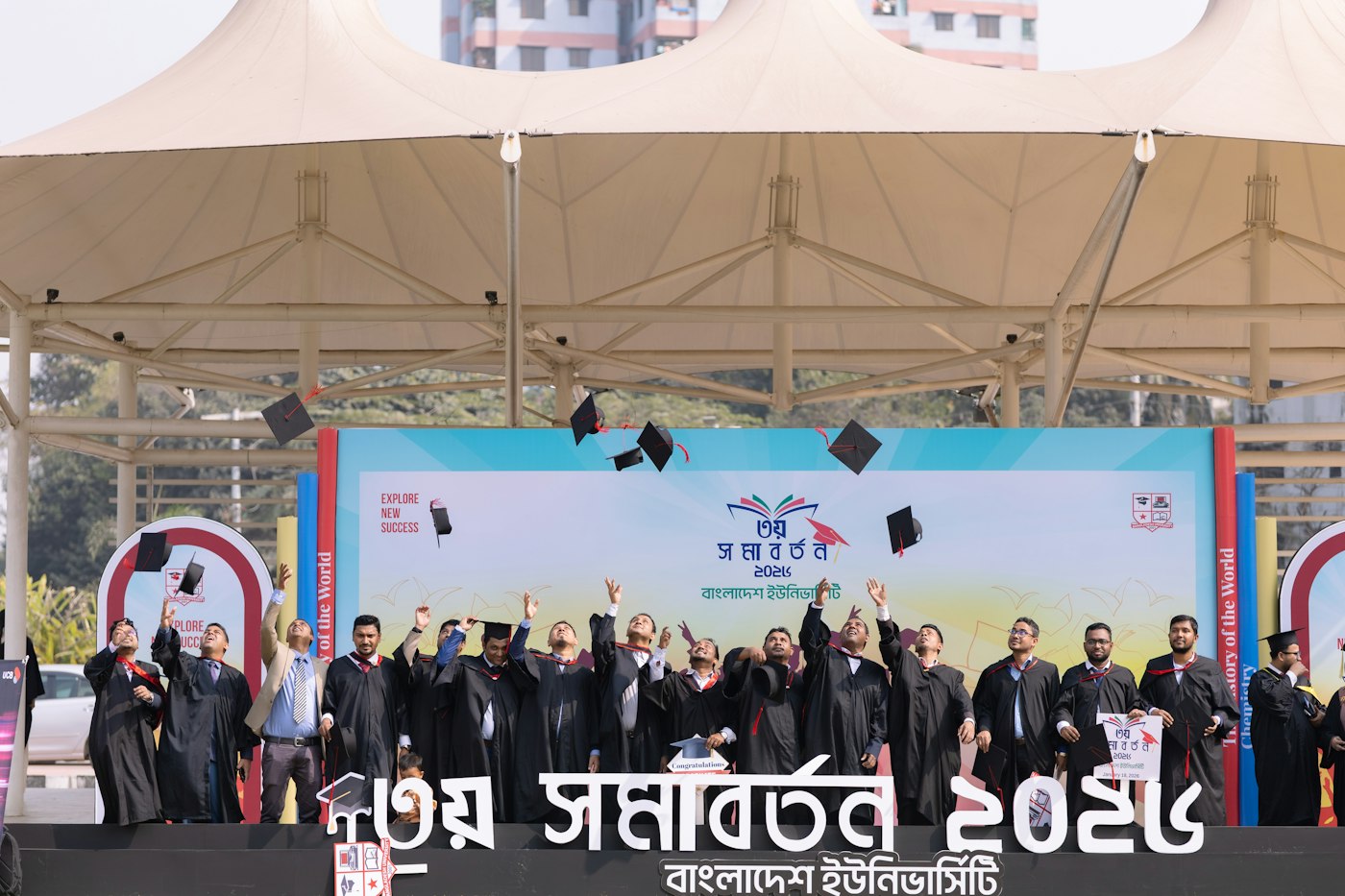
Late spring brings a distinctive kind of event traffic. Graduations, commencements, outdoor festivals, races and community celebrations draw large crowds that often look very different from a typical concert or game audience. Many attendees are first-time visitors, older relatives, families with small children or people unfamiliar with the area. For parking operators near campuses, arenas and downtowns, these events reward specific preparation.
How spring crowds differ
Commencement and festival crowds share some traits worth planning around:
- Many first-time visitors, who do not know the area, the entrances or the walking routes.
- More guests with mobility needs, including older family members and people using wheelchairs or strollers.
- Multiple vehicles per group, as extended families arrive separately.
- Back-to-back ceremonies, with one crowd leaving while the next arrives.
- Long stays, since families often go to lunch or dinner nearby afterward.
- Weather exposure for outdoor events.
Coordinating with the host
Close coordination with the university, school, venue or festival organizer is essential. Useful information includes ceremony schedules, expected attendance, ticketing arrangements, shuttle plans, accessible drop-off locations and any street closures. Hosts often publish parking guidance on their official websites; making sure that guidance matches the operator’s plan prevents conflicting instructions. When several ceremonies occur on the same day, ask for estimated start and end times for each, since turnover between them drives the busiest periods.
Accessibility and drop-off
Accessible parking and drop-off deserve extra attention for these events. Consider:
- Clearly marked accessible spaces close to entrances, in line with applicable standards.
- Drop-off zones where drivers can let passengers out near the venue before parking.
- Shuttles or carts connecting remote parking to the venue, if the host provides them.
- Staff trained to direct guests with mobility needs to the right areas.
Communication before and during the event
Because so many visitors are new to the area, information before arrival matters even more than usual. Operators can work with hosts to share directions, parking locations, prices, payment methods and reservation links in advance. On site, large temporary signs, attendants at key decision points and clear walking routes reduce confusion. For back-to-back events, staff should know how to explain when spaces will open up as the previous crowd leaves.
Staffing for a long, changing day
Commencement days can run from early morning to evening with multiple peaks. Staffing plans should account for breaks, shift changes and the possibility of delays when ceremonies run long. Radios, a simple position map and a briefing at the start of each shift help keep everyone aligned. Water, shade and weather gear for outdoor staff are practical necessities in late spring.
For many families, a graduation is one of the most important days of the year. Parking is not the reason they came, but a smooth arrival and departure contributes to a good memory, while a long queue or a confusing lot can sour the day. Operators who approach these events with patience and clear communication give visitors one less thing to worry about.
A Planning Timeline for Commencement Day
Spring events reward early work. A simple timeline helps keep preparation on track:
Several weeks out
- Meet with the host to confirm ceremony times, expected attendance, shuttle plans and any street closures.
- Agree on which lots or levels will serve the event, which will remain for monthly parkers and where accessible parking and drop-off will be.
- Decide on pricing, payment methods and whether reservations will be offered.
- Draft the information the host will publish, so guidance on the official website and the operator’s plan match.
The week before
- Confirm staffing, shift times and position assignments.
- Order or prepare temporary signs, cones and barricades.
- Test pay stations, gate equipment, radios and any reservation scanning devices.
- Notify monthly parkers and nearby tenants about expected congestion.
- Check the weather outlook and prepare shade, water and rain gear for staff.
The day of
- Hold a briefing at the start of each shift covering the schedule, the position map and how to reach supervisors.
- Walk the routes before gates open to confirm signs are visible and drop-off zones are clear.
- Track fill levels and communicate with the host as each ceremony starts and ends.
- Log incidents, complaints and equipment problems as they happen.
The week after
- Hold a short debrief with staff and the host. Note what slowed entry and exit, where guests got confused and what to change next year.
Managing the Changeover Between Ceremonies
Back-to-back ceremonies create the most demanding moment of the day: one crowd trying to leave while the next is arriving. A few tactics help. Separate exiting and entering traffic where the layout allows, even if that means temporarily repurposing a lane. Station attendants where the two flows meet. Hold arriving vehicles at a staging point briefly rather than letting them circle a full lot. If the host can build a short buffer into the ceremony schedule, even a modest gap can noticeably reduce congestion. Prepaid or reserved parking helps, since drivers who have already paid move through exits faster.
It also helps to remember that families often linger after a ceremony for photos. Expected departure times may stretch well beyond the scheduled end, and staff should be ready for that.
Common Mistakes on Event Days
- Conflicting directions. When the host’s website, navigation apps and on-site signs give different instructions, visitors stall at decision points. Coordinate messages in advance.
- Accessible spaces that fill early. Monitor accessible parking separately and have a plan for overflow, such as additional marked spaces or a drop-off and shuttle option.
- Understaffing the exit. Planning often focuses on arrival. The departure rush can be just as intense, especially when everyone leaves at once.
- Ignoring regular customers. Monthly parkers who find their usual spaces taken without warning may feel the operator has let them down.
- Forgetting staff comfort. Long shifts in sun or rain wear people down. Breaks, water and shade keep attendants alert and courteous.
Questions Operators and Hosts Ask
Should parking be reserved in advance?
Reservations can reduce uncertainty for families and speed entry. Many operators offer a mix of reserved and drive-up parking so visitors who do not plan ahead still have options.
How can we help visitors who are unfamiliar with the area?
Share a simple map with parking locations, drop-off points and walking routes before the event, and place attendants at the first decision point visitors will reach.
What if a ceremony runs long?
Keep a line of communication open with the host so staff hear about delays quickly, and adjust breaks and shift changes accordingly.
Who handles traffic on public streets?
Traffic control on public roads is typically handled by or coordinated with local authorities. Operators should work through the host and the city on any street closures or officer assignments.