For many hotel guests, parking is the first and last part of the stay. Pulling up to the entrance, handing over keys or finding a space, and later retrieving the car all shape impressions of the property. Hotels typically choose among valet parking, self-parking or a combination. Each approach has its own costs, staffing needs and effect on the guest experience.
Valet parking
With valet service, attendants receive vehicles at the entrance, park them and return them on request. Valet offers convenience and a polished arrival, which is why it is common at luxury and urban hotels. It can also allow more efficient use of limited space, since attendants can park cars closely, stack them or use off-site lots.
Valet operations require reliable staffing, careful key control, clear claim procedures and insurance coverage for vehicles in the hotel’s care. Retrieval times matter a great deal; a guest waiting a long time for their car at checkout may leave with a poor final impression.
Self-parking
With self-parking, guests park their own vehicles in a lot or garage. This model is common at suburban, roadside and resort properties with ample space. It generally requires less staff and gives guests control over their vehicles and their time. Clear signage, adequate lighting, security and convenient access to the building are essential. Guests should be able to find the parking area easily and understand rates and rules without asking.
Hybrid models
Many hotels offer both, letting guests choose. Others use valet only during peak periods or for events. Hotels that share a garage with other users, such as offices or retail, may provide validated self-parking while offering valet at the entrance. Hybrid models can serve a wider range of guests but require careful coordination so both options run smoothly.
Factors that drive the decision
- Space: how much parking is available, and how close it is to the entrance.
- Guest expectations: what travelers expect at that type of property and location.
- Labor: the cost and availability of staff for valet roles.
- Arrival patterns: whether arrivals cluster, such as group check-ins or events.
- Curb space: whether the entrance can handle a valet stand without blocking traffic.
- Contracts: whether parking is operated by the hotel or by a third-party operator under a management agreement or lease.
- Insurance and liability: which should be reviewed with qualified professionals.
Communicating parking to guests
Whatever the model, guests appreciate knowing what to expect before they arrive. Parking options, fees, height limits for garages, EV charging availability and in-and-out privileges should be clearly stated on the website, in confirmation messages and at the property. Surprise parking fees are a common source of guest complaints. Clear, upfront communication turns parking from a potential irritation into a smooth part of the stay.
Working Through the Decision
Hotels that choose a parking model deliberately, rather than inheriting one, tend to follow a sequence like this:
- Measure what exists. Count available spaces on site and nearby, note their distance from the entrance and document height clearances and any shared-use arrangements.
- Understand the guests. Review how many guests arrive by car, how long they stay and whether arrivals cluster around group check-ins, events or particular days.
- Study the entrance. Watch the front drive during a busy period. Can it hold several cars waiting for valet without backing into the street?
- Compare operating approaches. Estimate staffing, equipment, insurance and technology needs for valet, self-park and hybrid options. If a third-party operator is involved, ask for proposals that describe how each model would run.
- Consider the brand and market. Look at what guests expect at comparable properties nearby and what any brand standards require.
- Pilot before committing. Where possible, test a change, such as valet during weekend peaks only, before making it permanent.
- Review results. After a season, look at guest feedback, wait times, incidents and financial performance, then refine.
Running Valet Well
When a hotel chooses valet, a handful of operating disciplines separate smooth service from frustrating service:
- Key control. Keys should be tagged, logged and stored securely, with clear rules about who can access them.
- Condition checks. Many operations note visible damage when a car is received, which helps resolve questions later.
- Retrieval planning. Inviting guests to call or text ahead for their car can shorten waits at checkout. During peak departure hours, extra staff at the stand helps.
- Safe driving rules. Attendants should follow clear standards for speed, routes and seat belt use inside the garage and on public streets.
- Clear claim procedures. Guests should know how to report a concern, and staff should know how to document it and escalate it to management.
Making Self-Park Feel Like Service
Self-parking does not have to feel impersonal. A few touches make a noticeable difference:
- A clearly signed arrival lane near the entrance where guests can unload luggage before parking.
- Luggage carts or a bell staff member available at the parking entrance during busy arrivals.
- Bright, well-maintained pedestrian routes from parking to the lobby.
- Simple instructions for parking credentials or validation, given at check-in rather than discovered at the exit gate.
- Regular walk-throughs by staff to check lighting, cleanliness and security.
Questions Hotel Managers Ask
Should valet be mandatory?
Some properties with very limited space require it; others offer it as an option. If valet is the only option, communicating that clearly before arrival is especially important, since guests who expected to park themselves may be surprised.
How should parking fees be presented?
Clearly and early: on the website, in the booking flow where possible, in confirmation messages and at the entrance. Many guest complaints about parking are really complaints about surprise.
What about EV charging?
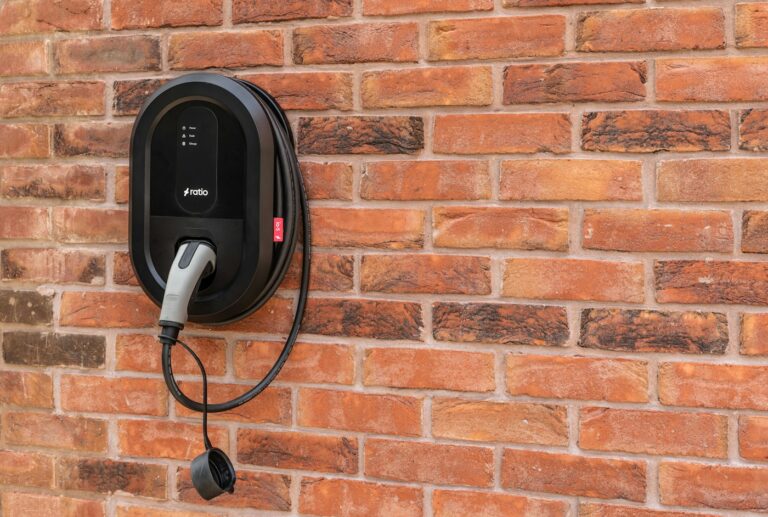
Guests with electric vehicles increasingly ask about charging. With valet, the hotel needs a process for moving cars on and off chargers. With self-park, clear signage and rules for charger spaces help avoid conflicts.
Who should review liability questions?
Insurance coverage, claim handling and contract terms with any third-party operator should be reviewed with the hotel’s insurance advisor and legal counsel.
Can a hotel change models later?
Yes, and many do as their guest mix, neighborhood and parking supply change. A switch is easier when contracts with any parking operator allow for adjustments, when equipment can support both approaches and when the change is communicated to guests well in advance. Reviewing the model every year or two, alongside guest feedback and operating results, keeps the choice deliberate rather than habitual, and it helps the hotel notice when a model that once fit the property has quietly stopped serving guests well.