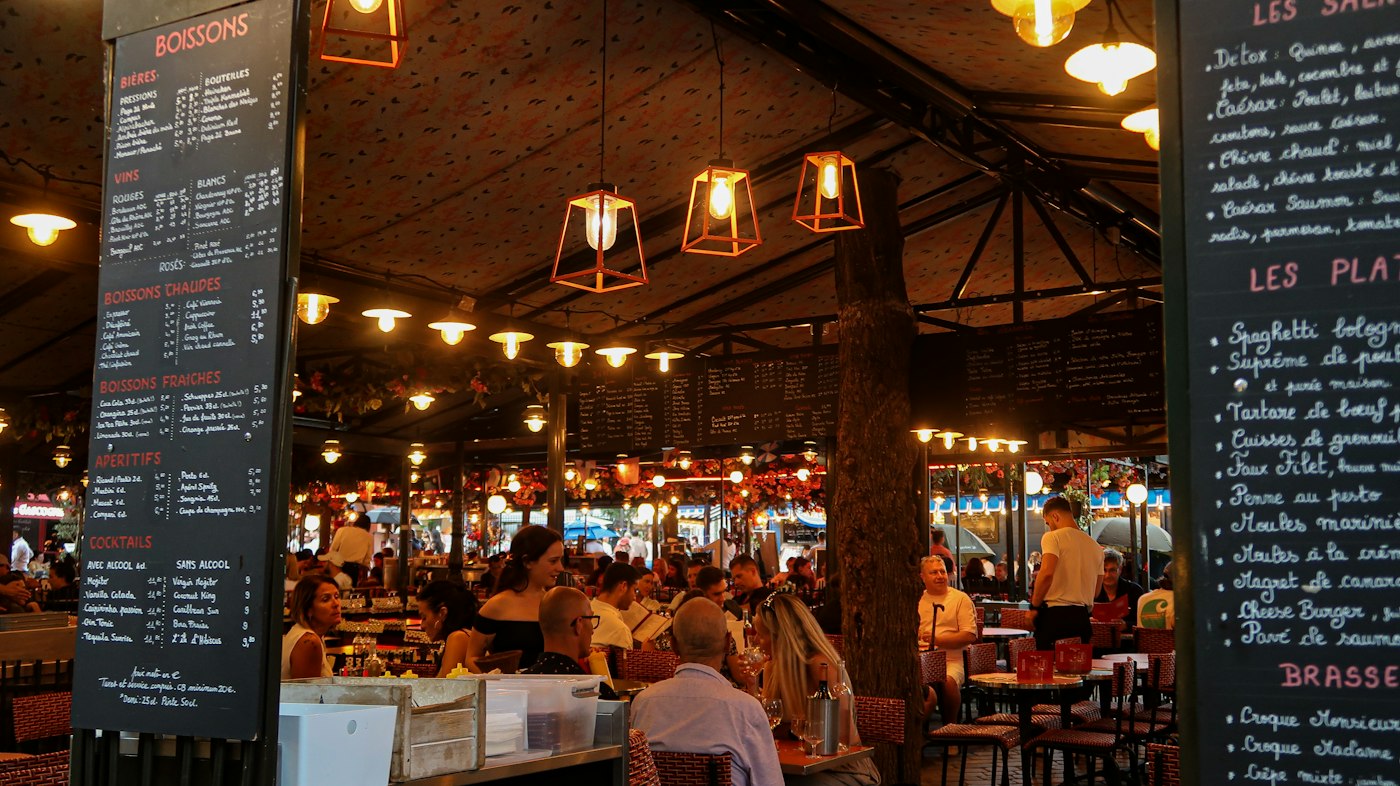
Food and beverage operations are among the most demanding parts of hospitality. Ingredients spoil, prices change, labor is intensive and guest expectations are high. Whether it is a standalone restaurant, a hotel breakfast room or a resort bar, the same fundamentals tend to determine whether the operation runs well. Three of the most important are understanding food cost, designing the menu thoughtfully and controlling waste.
Understanding food cost
Food cost percentage compares the cost of ingredients used to the revenue those ingredients generate. If a dish sells for 20 dollars and its ingredients cost 6 dollars, the food cost for that dish is 30 percent. The same idea applies to beverages, where operators often track separate cost percentages for beer, wine, spirits and non-alcoholic drinks.
Operators calculate food cost for individual menu items and for the operation as a whole. The overall figure usually comes from tracking inventory: starting inventory, plus purchases, minus ending inventory gives the cost of goods used in a period. Comparing that to sales reveals whether actual costs match what the recipes say they should be.
Recipes and portion control
Standardized recipes are the foundation of consistent cost and quality. A recipe card lists ingredients, quantities, preparation steps and portion size, along with the calculated cost. When every cook follows the same recipe, the dish tastes the same and costs the same each time it is made.
- Use scales, measured scoops and portioned containers to keep servings consistent.
- Update recipe costs when supplier prices change.
- Train new staff on recipes and portions before they work a busy shift.
Menu engineering
Menu engineering looks at each item along two dimensions: how popular it is and how much profit it contributes per sale. Items that are both popular and profitable deserve prominent placement. Popular items with low contribution might be repriced or reworked. Profitable items that rarely sell might need better description or placement. Items that are neither may be candidates for removal.
The physical menu matters as well. Clear organization, honest descriptions and a manageable number of choices help guests decide and help the kitchen execute. A smaller, focused menu often reduces both waste and preparation time.
Controlling waste
Waste quietly erodes margins. Common sources include over-ordering, improper storage, overproduction and plate waste. Practical habits help:
- First in, first out rotation, so older stock is used before newer deliveries.
- Labeling and dating everything in storage.
- Par levels that set target quantities for each item, guiding orders.
- Prep lists based on forecast covers rather than habit.
- Waste logs that record what is discarded and why.
Food safety is part of waste control, too. Proper temperatures, storage and handling protect guests and prevent loss. Local health departments set the rules that apply, and operators should follow their guidance closely.
The bigger picture
Strong food and beverage operations connect these fundamentals to the guest experience. Consistent recipes mean guests get what they expect. A focused menu means faster service. Lower waste means more room in the budget for quality ingredients and staff. The numbers and the hospitality are not in competition; each supports the other.
A Worked Example: Costing and Pricing a Dish
Walking through one item shows how the fundamentals connect. Suppose a hypothetical kitchen is adding a grilled chicken sandwich to its lunch menu.
- List every ingredient and its portion. Chicken breast, bun, lettuce, tomato, sauce, a side of fries and a pickle, each with a measured quantity.
- Cost each ingredient. Using current supplier invoices, calculate the cost of each portion. Include small items like oil and condiments, which add up across many plates.
- Add a factor for yield. Trimming and cooking reduce usable weight. If a pound of raw chicken yields less than a pound of cooked, sliced chicken, the cost per usable portion is higher than the invoice price suggests.
- Total the plate cost. Suppose it comes to 4 dollars.
- Test prices. At 14 dollars, the food cost is about 29 percent. At 12 dollars, it rises to about 33 percent. The operator weighs these figures against competitors’ prices, guest expectations and the item’s role on the menu.
- Write the recipe card. Record portions, steps, plating and cost, and train the line on it before launch.
The figures are illustrative, but the process is the same for any dish. Repeating it whenever supplier prices change keeps menu prices grounded in reality.
Running a Simple Waste Audit
Waste is easier to reduce once it is visible. A basic audit can be run over two weeks:
- Place a log sheet at each station and in the dish area.
- Record every item discarded, its approximate quantity and the reason: spoilage, overproduction, preparation error, trim or plate waste.
- At the end of each week, total the entries by category and by item.
- Look for the largest and most frequent sources, and choose one or two to address first.
- Repeat the audit after changes are made to see whether waste declined.
Plate waste deserves special attention. If guests consistently leave the same side dish untouched, the portion may be too large or the item may not be wanted at all.
Common Mistakes and How to Avoid Them
- Costing recipes once and never again. Ingredient prices move. Review costs regularly, especially for high-volume items.
- Ignoring yield. Pricing from raw purchase cost understates the real cost of trimmed, cooked portions.
- Letting the menu grow unchecked. Each added item brings more ingredients, more storage and more potential waste.
- Counting inventory inconsistently. Irregular or rushed counts produce unreliable food cost figures.
- Setting par levels by guesswork. Base pars on actual usage and forecast demand, and revisit them seasonally.
Questions Operators Ask
What is a good food cost percentage?
There is no universal target. It depends on the concept, pricing, labor model and menu mix. What matters most is understanding your own figures, tracking them consistently and investigating changes.
How often should inventory be counted?
Many operations count weekly or at least monthly, with more frequent counts for high-value items such as proteins and spirits.
Should every item have the same food cost?
No. Some items naturally carry higher costs but strong guest appeal; others have low costs and high margins. Menu engineering looks at the contribution of each item in dollars, not only its percentage.
Where should a small operation start?
With recipe cards for the top-selling items and a regular inventory count. Those two habits alone reveal most of what an operator needs to know.
What This Means for Guests and Staff
Strong cost control is not about serving less. It frees resources for the things guests notice, such as better ingredients, faster service and a team that is not constantly scrambling. Kitchens that run on clear recipes, steady pars and honest waste data tend to be calmer places to work, and calm kitchens tend to produce more consistent food.