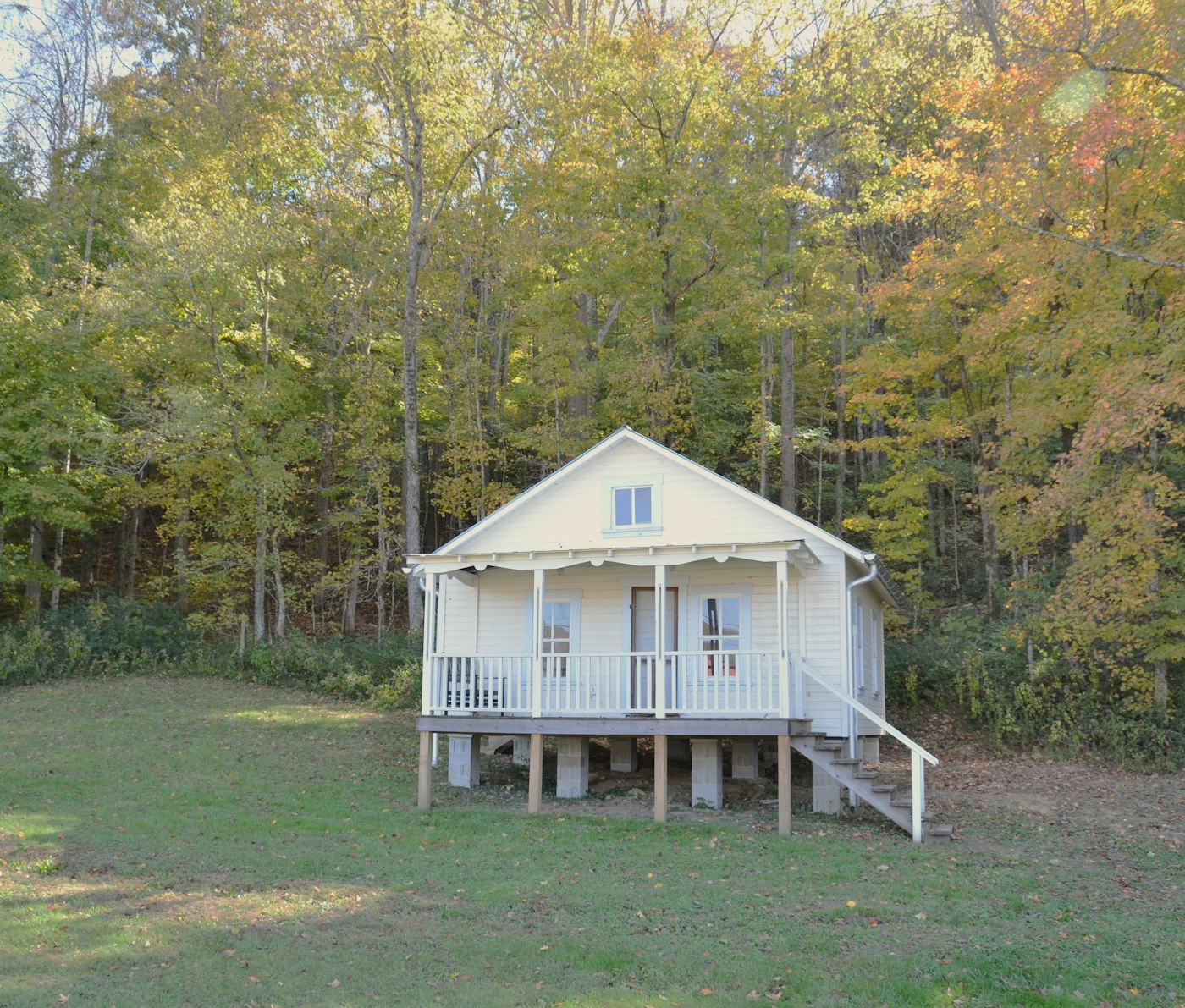
Listing a home or condo on a vacation rental platform can feel like a simple way to earn income from a property. In practice, a short-term rental is a hospitality business with many of the same responsibilities as a small inn: pricing, cleaning, maintenance, guest communication, safety and compliance. Owners who treat it that way from the start usually have a smoother experience than those who learn each lesson the hard way.
Start with the rules
Short-term rentals are regulated differently from place to place. Depending on the location, owners may face:
- Zoning restrictions or outright limits on where rentals are allowed.
- Permits, registration or business licenses.
- Occupancy, lodging or sales tax collection and remittance.
- Safety requirements such as smoke detectors, carbon monoxide alarms and fire extinguishers.
- Homeowners association or condominium rules that may restrict rentals.
Rules change, sometimes quickly. Check the city or county’s official website, read any HOA documents and consult an attorney or tax professional before listing.
Decide how it will be managed
Owners generally choose among a few approaches:
- Self-managed, where the owner handles listings, messaging, pricing and coordination of cleaners and repairs.
- Co-hosted, where a local partner handles some tasks for a share of revenue.
- Professionally managed, where a property management company handles most operations for a fee.
Each option trades control and income for time and effort. Owners who live far from the property often find that reliable local help is essential.
Build the operating backbone
The unglamorous systems are what make a rental work. Cleaning and turnover need to be consistent and quick, with a checklist and a reliable team. Maintenance needs a list of trusted vendors for plumbing, electrical, appliance and HVAC problems. Inventory of linens, towels and supplies needs to be tracked. Guest communication needs templates for booking confirmation, check-in instructions, house rules and checkout, along with a plan for answering questions at odd hours.
Pricing and the calendar
Short-term rental pricing typically changes with season, day of the week, local events and how far in advance guests book. Many owners use dynamic pricing tools, while others set rates manually by season. Minimum stay rules, cleaning fees and cancellation policies all shape both revenue and guest perception. Reviewing booking pace regularly helps owners spot when prices are too high or too low.
Protect the property and the guests
Insurance deserves careful attention. Standard homeowner policies may not cover short-term rental activity, so owners should discuss coverage with an insurance professional. Clear house rules, accurate listings, safety equipment and a thoughtful approach to neighbors all reduce risk. Many problems with short-term rentals, from noise complaints to disappointed guests, trace back to expectations that were never set clearly. A listing that is honest about the property, its location and its limits tends to attract guests who will enjoy it.
Setting Up the Business, Step by Step
Treating a rental as a business starts before the first booking. A practical setup sequence:
- Confirm it is allowed. Review local ordinances, permit requirements and any HOA or condominium documents. Keep copies of permits and registrations in one place.
- Set up the finances. Many owners keep a separate bank account for the rental so income and expenses are easy to track. A tax professional can advise on recordkeeping and what taxes apply.
- Review insurance. Speak with an insurance professional about coverage for short-term rental activity, liability and property damage.
- Prepare the property. Install and test required safety equipment, furnish for durability and comfort, and photograph the property honestly.
- Build the systems. Create a cleaning checklist, a vendor list, message templates and a supply inventory before welcoming guests.
- Write the listing and house rules. Describe the property accurately, including any limits such as stairs, parking or noise. Set clear rules on occupancy, quiet hours and pets.
- Set a pricing plan. Decide on seasonal rates, minimum stays and fees, and plan to review them regularly.
Tracking the Numbers That Matter
A business keeps score. Useful measures for a rental include:
- Occupancy: the share of available nights that were booked.
- Average nightly rate: what guests paid per booked night.
- Revenue per available night: combining the two, much like RevPAR in hotels.
- Cost per stay: cleaning, supplies, platform fees and wear on the property.
- Net income: what remains after all costs, including maintenance reserves and taxes.
- Review scores and themes: what guests praise and what they repeatedly mention as problems.
Reviewing these monthly reveals whether price changes, minimum stays or improvements are paying off.
Common Mistakes and How to Avoid Them
- Underestimating costs. Cleaning, linens, repairs, utilities, supplies and platform fees add up quickly. Budget for them before setting prices.
- Relying on one cleaner with no backup. Illness or scheduling conflicts can leave a property unready for arriving guests.
- Overpromising in the listing. Photos and descriptions that oversell lead to disappointed guests and poor reviews.
- Ignoring neighbors. Noise, parking and trash problems can create conflict and, in some places, regulatory trouble.
- Skipping a maintenance reserve. Appliances, furniture and fixtures wear out faster with frequent guests.
Questions Owners Ask
How much should be set aside for maintenance?
There is no single rule, since it depends on the property’s age, condition and use. Many owners set aside a portion of each month’s income so repairs and replacements do not become emergencies.
Is professional management worth the fee?
It depends on the owner’s time, distance from the property and interest in hospitality work. For some, a manager’s local presence and systems more than justify the cost; others prefer to self-manage and keep more of the revenue.
How quickly should guest messages be answered?
Prompt responses matter, particularly before arrival and during a stay. Templates and a plan for after-hours questions help owners respond quickly without being on call constantly.
What records should be kept?
Bookings, income, expenses, tax filings, permits, insurance documents and maintenance history. A tax professional can advise on what specifically to retain and for how long.
What This Means for an Owner’s First Year
The first year of a short-term rental is largely a learning year. Bookings, costs and guest feedback reveal what the property does well and where it falls short. Owners who keep good records, read every review, adjust prices thoughtfully and fix recurring problems quickly usually end the year with a clearer, steadier business than the one they started with. Those who treat each issue as a one-off tend to repeat the same problems. A short review at the end of each season, looking at occupancy, costs, reviews and maintenance, turns experience into a better plan for the next one.