A guest at a full-service hotel might interact with a doorman, a front desk agent, a server and a housekeeper in a single day. Behind each of them sits a department with its own leadership, budget and responsibilities. Understanding how these departments fit together explains a great deal about how hotels operate and where problems tend to arise.
Rooms division
The rooms division is usually the largest revenue generator in a hotel. It typically includes:
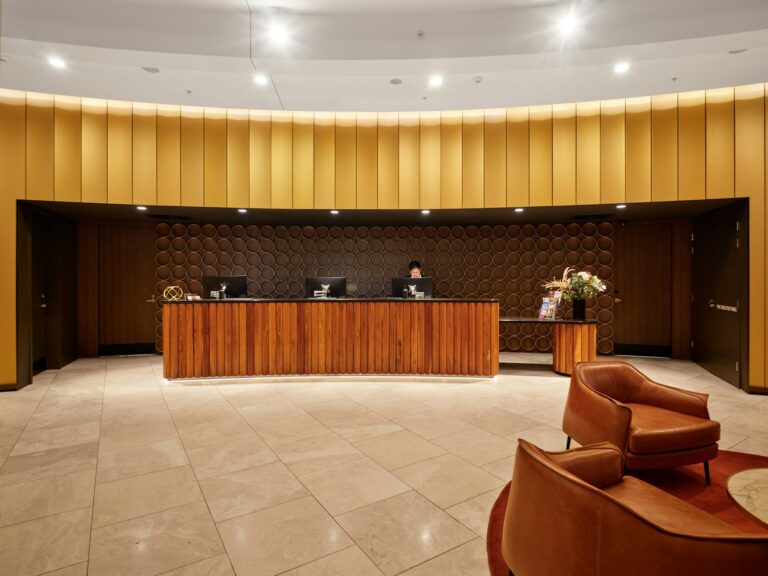
- Front office, covering check-in, checkout, guest requests and the switchboard.
- Housekeeping, responsible for cleaning guest rooms and public spaces, as well as laundry in many properties.
- Guest services, including bell staff, concierge, doormen and sometimes valet parking.
- Reservations, which handles bookings by phone and coordinates with central systems.
Housekeeping is often the largest single department by headcount, and its pace sets the rhythm of the day. A room cannot be sold to an arriving guest until it has been cleaned and inspected.
Food and beverage
In full-service hotels, food and beverage can be a large and complex operation. It may include restaurants, bars, room service, banquets and catering, and the kitchens that support them. Banquets and catering are particularly important at hotels with meeting and event space, since weddings, conferences and corporate events can generate significant revenue beyond room bookings.
Food and beverage tends to be more labor-intensive than rooms, and its margins are often thinner. Even so, a strong restaurant or bar can give a hotel a distinct identity, draw local customers and make the property more appealing to groups planning events.
Sales, marketing and revenue management
The sales team pursues group business, corporate accounts, meetings and events. Marketing handles the hotel’s brand presence, website, advertising and promotions. Revenue management sets room rates and availability across channels based on demand forecasts. In many hotels these functions work closely together, since group bookings, transient pricing and marketing campaigns all affect the same inventory.
Engineering, security and support functions
Engineering, sometimes called maintenance or facilities, keeps the building running: heating and cooling, plumbing, electrical systems, elevators, life safety equipment and guest room repairs. Security protects guests, staff and property. Support functions round out the organization:
- Human resources, which handles hiring, training, benefits and employee relations.
- Finance and accounting, covering payroll, purchasing, accounts receivable, audits and reporting.
- Information technology, increasingly important as hotels rely on connected systems.
How the departments connect
The general manager oversees the whole operation, usually with an executive committee of department heads. Daily or weekly meetings coordinate arrivals, groups, maintenance issues and staffing. Many guest problems arise in the gaps between departments: a late checkout that front desk approved but housekeeping did not hear about, or a banquet that ran long and delayed room service. Hotels that communicate well across departments tend to deliver smoother experiences. Smaller limited-service hotels combine many of these roles into fewer positions, but the same functions still have to be covered by someone.
A Day in the Life of the Departments
Following a single day shows how closely the departments depend on one another.
- Early morning: the kitchen prepares breakfast while engineering checks overnight work orders. The front desk prints departure and arrival reports and shares them with housekeeping.
- Mid-morning: checkouts peak. Housekeeping begins turning departure rooms, prioritizing those needed for early arrivals. Banquets sets up meeting rooms for the day’s group.
- Midday: the restaurant handles lunch, sales staff conduct site tours for future events and revenue management reviews the night’s remaining availability and pricing.
- Afternoon: arrivals begin. The front desk depends on housekeeping to release clean, inspected rooms quickly. Engineering responds to any room issues before they reach guests.
- Evening: food and beverage serves dinner and any banquet events. Security makes rounds. The front desk handles late arrivals and requests.
- Overnight: a smaller team handles late arrivals, guest needs and the night audit, which reconciles the day’s charges and prepares reports for the morning.
Where Handoffs Break Down, and How to Fix Them
Room status
When the front desk and housekeeping do not share accurate, real-time room status, guests wait for rooms that are actually ready or are sent to rooms that are not. Clear status codes, a shared system and regular communication during peak hours help.
Maintenance requests
A guest reports a broken air conditioner to the desk, but engineering never receives the request. A simple, tracked work-order process, with a confirmation back to the guest, closes the loop.
Group details
Sales books a group with special requests, but the details do not reach banquets, the kitchen or the front desk in time. Many hotels use a written event order and a regular meeting to review upcoming groups with every department involved.
Special requests
Requests made at booking, such as an early arrival, an accessible room or a celebration, can be lost between reservations and operations. Reviewing upcoming arrivals daily helps catch them.
How the Structure Differs at Smaller Properties
In a limited-service or select-service hotel, departments are leaner. A front desk agent may handle reservations, guest services and the night audit. A general manager may oversee sales, revenue management and human resources directly. Food and beverage may be limited to a breakfast area. The same functions still exist; they are simply combined into fewer roles, which makes cross-training and clear routines even more important.
Questions Newcomers Ask
Which department has the greatest effect on guest satisfaction?
Many guest comments focus on cleanliness and the front desk experience, which makes housekeeping and front office especially visible. In practice, satisfaction depends on how well all departments work together.
What does the executive committee do?
It typically brings department heads together with the general manager to coordinate operations, review performance, address problems and plan for upcoming business.
What is the night audit?
It is the overnight process of reviewing and closing the day’s transactions, posting charges and producing reports used by management the next morning.
How can someone new to hotels learn the departments quickly?
Spending a shift in each one is often the fastest way. Seeing how work flows between departments explains more than any organization chart.
What This Means for Owners and Investors
Each department carries its own revenue, costs and risks, and hotel financial statements are usually organized the same way. Understanding the departments therefore makes it easier to read performance reports, ask useful questions of a management team and see where improvement is most likely to come from, whether that is housekeeping productivity, banquet margins or engineering response times.