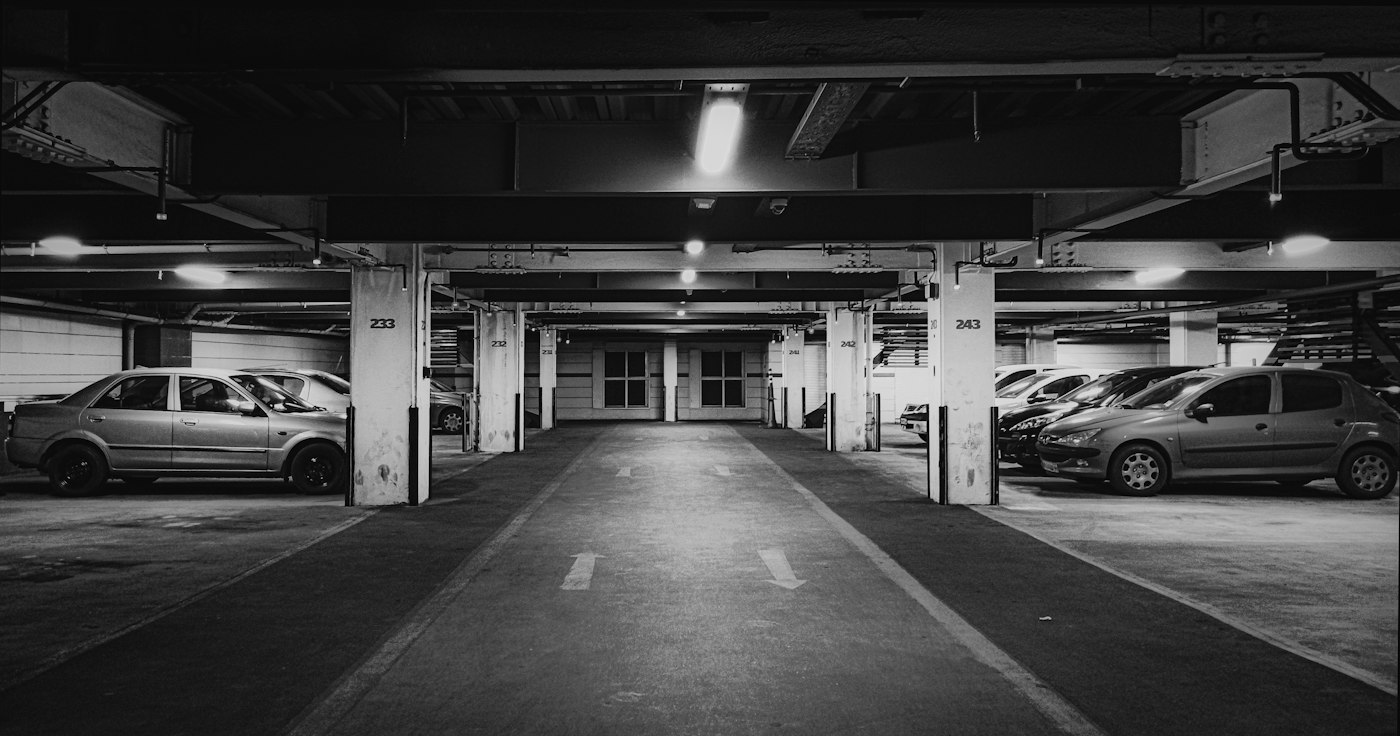
A parking structure is one of the hardest-working buildings in any portfolio. It is exposed to rain, freezing temperatures, road salt, oil, heavy loads and constant traffic, often with open sides that let weather in. Unlike an office tower, it is rarely the focus of attention until something goes wrong. Thoughtful maintenance keeps a garage safe, attractive and functional, and it is usually far less expensive than major repairs.
Daily and weekly housekeeping
The most basic maintenance tasks happen constantly:
- Sweeping decks and removing debris that can clog drains.
- Cleaning oil and fluid spills promptly.
- Emptying trash and removing graffiti.
- Checking and replacing burned-out lights.
- Keeping stairwells, elevators and pedestrian paths clean.
These tasks shape how customers perceive the facility and catch small problems before they grow.
Water: the main enemy
Water causes a large share of the damage in parking structures. When water carries chlorides from road salt into concrete, it can corrode the reinforcing steel inside, leading to cracking and pieces of concrete breaking away. For this reason, drainage is central to maintenance. Drains should be kept clear, ponding areas noted, and leaks through joints or cracks tracked over time.
Many garages use protective systems such as sealers, traffic-bearing membranes and joint sealants. These wear out with traffic and weather and need periodic inspection and replacement. Washing down decks after winter helps remove accumulated salt.
Periodic professional inspections
Beyond routine care, parking structures benefit from regular condition assessments by qualified structural engineers. These inspections typically look for cracking, spalling, exposed reinforcement, deteriorated joints, corrosion of embedded metals, damaged coatings and signs of movement. Some jurisdictions require periodic inspections of parking structures, so owners should check local building codes and requirements.
Inspection reports often rank issues by urgency, separating immediate safety concerns from items that can be planned and budgeted. This makes them a valuable tool for long-term capital planning.
Systems beyond the structure
A garage includes many systems that each need attention:
- Lighting, including emergency lighting. Many facilities have converted to LED fixtures, which typically last longer and use less energy.
- Elevators, which require regular servicing and inspections under local rules.
- Fire protection systems such as sprinklers and standpipes in enclosed garages.
- Ventilation, where structures are enclosed and mechanical exhaust is required.
- Parking equipment, including gates, pay stations and sensors.
- Striping and signage, which fade with traffic and weather.
Planning for the long term
Well-run facilities keep a maintenance calendar and a multi-year capital plan. Small, regular investments in sealing, joint repair and drainage tend to cost far less than deferring work until major restoration is required. Keeping records of inspections, repairs and expenses also helps owners understand the true cost of operating the asset. For any structural question, the right person to consult is a licensed engineer with parking structure experience.
Building a Maintenance Calendar
A written calendar turns good intentions into routine. While every facility differs, a typical structure includes:
Daily and weekly
- Sweeping, litter removal and spill cleanup.
- Lighting checks, especially stairwells and corners.
- Drain inspections after storms.
- Equipment checks on gates, pay stations and intercoms.
Monthly and quarterly
- Walking every level to note new cracks, stains, leaks or ponding.
- Reviewing elevator service records and ventilation operation where applicable.
- Checking signs, striping and wayfinding for fading or damage.
- Testing emergency lighting according to applicable requirements.
Seasonally and annually
- Washing down decks after winter to remove salt.
- Inspecting sealers, membranes and expansion joints.
- Cleaning drains thoroughly before the rainy and freezing seasons.
- Updating the capital plan with the year’s findings and costs.
Every few years
- A professional condition assessment by a structural engineer, at an interval appropriate to the structure’s age and condition and any local requirements.
Warning Signs Worth Reporting
Staff do not need engineering training to notice symptoms that deserve professional attention. Common warning signs include:
- Rust stains running from cracks in concrete.
- Pieces of concrete on the ground or loose areas overhead.
- Exposed reinforcing steel.
- Cracks that are growing or that appear in new places.
- Water dripping through decks onto vehicles or walkways below.
- Damaged or separating expansion joints.
- Persistent ponding in the same areas after rain.
Any condition that could pose an immediate hazard, such as loose concrete overhead, should be cordoned off and evaluated by a qualified engineer promptly.
Common Mistakes and How to Avoid Them
- Deferring small repairs. Sealing a crack or replacing a joint is far cheaper than repairing the corrosion that water can cause over time.
- Treating drainage as housekeeping only. Drains are part of the structural protection system and deserve the same attention as coatings.
- Keeping no records. Without documentation, it is hard to track whether conditions are improving or worsening.
- Budgeting year to year. A multi-year capital plan smooths spending and avoids surprises.
Questions Owners Ask
How long can a parking structure last?
Service life varies widely with design, construction quality, climate, exposure to de-icing salts and maintenance. Consistent care can extend a structure’s useful life substantially, while neglect can shorten it. An engineer can advise on a specific facility.
What does a condition assessment cost?
Costs depend on the size and complexity of the structure and the scope of testing. Owners should request proposals from qualified engineering firms with parking structure experience.
Can restoration work be done while the garage stays open?
Often, yes. Many restoration projects are phased level by level so that part of the facility remains in service, with clear signage and communication for customers.
Who should keep the maintenance records?
Typically the operator maintains day-to-day logs while the owner keeps inspection reports, repair contracts and capital plans. Both sides benefit from sharing them. When management changes hands or the property is sold, a complete maintenance history is valuable evidence of how the structure has been cared for.
A Worked Example: Turning an Inspection Into a Plan
Imagine a hypothetical five-level garage that receives an engineer’s condition report. The report notes a handful of urgent items, including a small area of loose concrete over a pedestrian path and a failed expansion joint letting water onto the level below. It also lists less urgent items: aging sealer on the top deck, faded striping and several drains that are partly blocked.
The owner and operator work through the report together. The urgent items are cordoned off and repaired right away. The failed joint is replaced the following month. Resealing the top deck is scheduled for the next suitable season, when weather allows, and budgeted in the capital plan. Drain cleaning and striping move onto the routine calendar so they do not appear in the next report. The result is a clear, phased plan that addresses safety first, controls costs and reduces the chance of larger problems later. The next inspection then becomes a measure of progress rather than a surprise.