When property owners first look into electric vehicle charging, they often assume faster is better. In practice, the right charger depends on how long drivers stay at a site. A hotel guest parked overnight has very different needs from a traveler stopping briefly on a highway. Matching charging speed to dwell time is one of the most important decisions a site host makes.
The basic categories
Charging equipment is commonly grouped into three levels:
- Level 1 uses a standard household outlet. It is very slow and mostly suited to home or very long workplace stays.
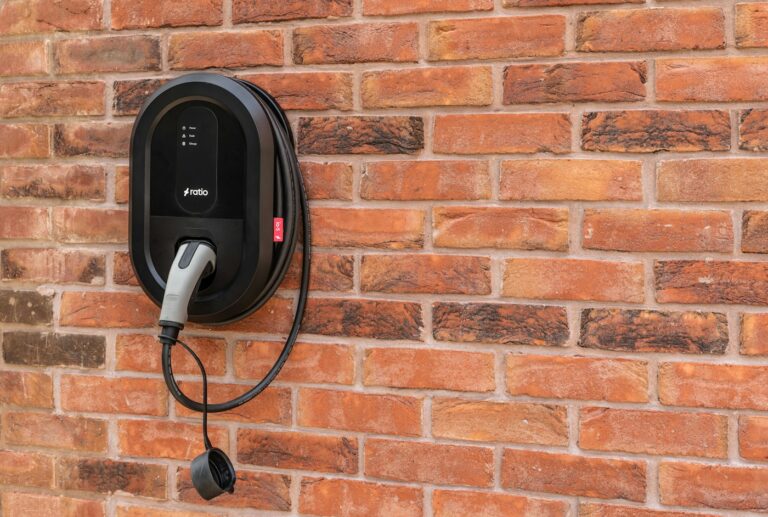
- Level 2 uses a 240-volt circuit, similar to what powers a home dryer. It can add meaningful range over several hours and is the most common type at homes, workplaces, hotels and parking garages.
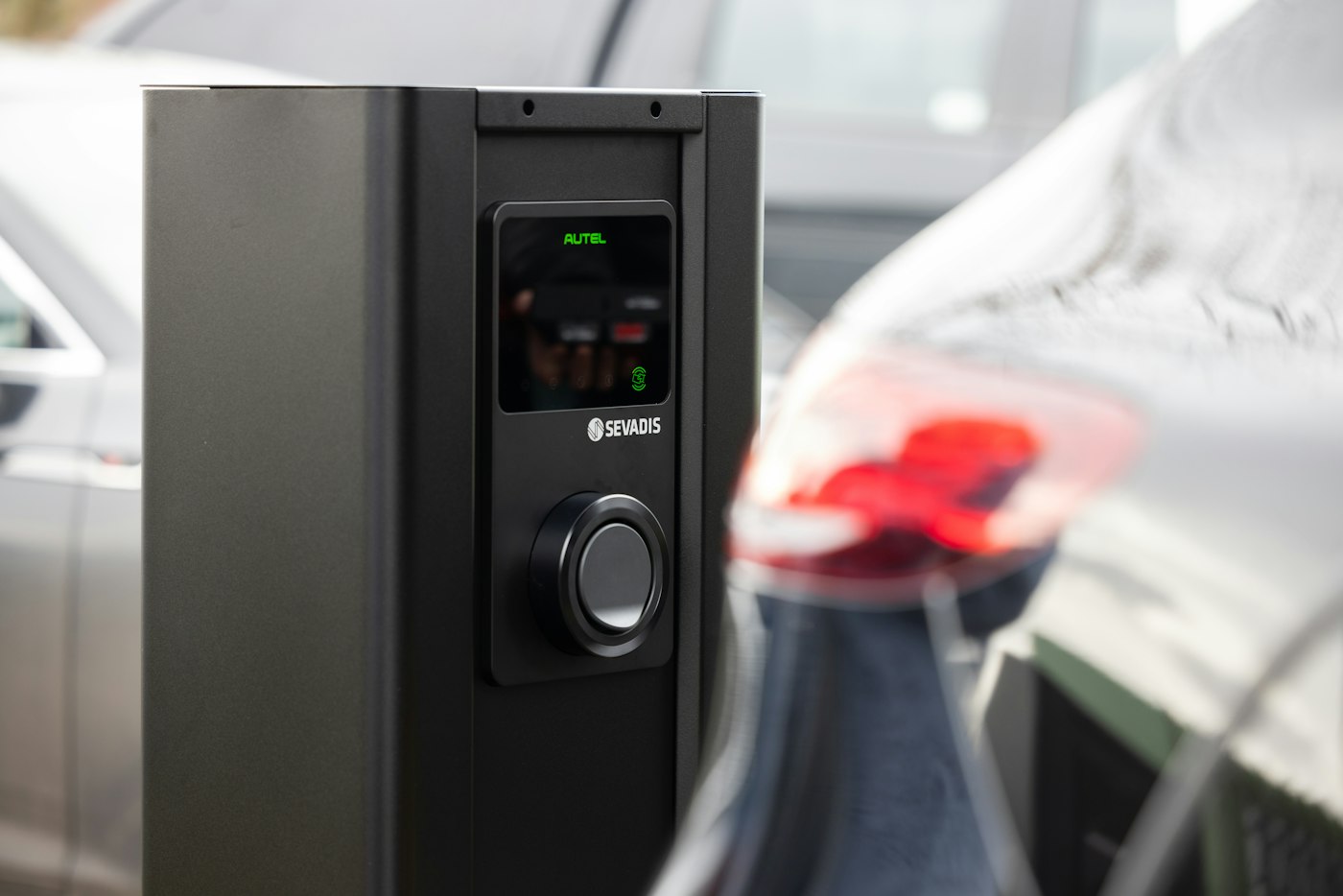
- DC fast charging delivers direct current at much higher power, adding substantial range in a short stop. It is common along highways and at retail locations where drivers stay less than an hour.
Actual charging speed depends on the vehicle as well as the charger, since each car limits how much power it will accept.
Matching speed to dwell time
Thinking about how long vehicles typically stay helps narrow the choice:
- Overnight stays at hotels, apartments and vacation rentals generally fit Level 2 well. A car parked for many hours can charge fully without high-powered equipment.
- Workday parking at offices and commuter garages also suits Level 2.
- Stops of one to three hours at restaurants, shopping centers and attractions might use either, depending on goals.
- Short stops along travel corridors usually call for DC fast charging.
Cost and electrical capacity
DC fast chargers cost significantly more to buy and install than Level 2 units, and they typically require much greater electrical capacity. Many sites need utility service upgrades to support them. Fast chargers can also trigger demand charges on commercial electric bills. Level 2 equipment is less expensive, and a site can often install more units for the same budget, serving more vehicles at once.
Connectors and compatibility
Connector standards have shifted in North America in recent years. Level 2 chargers have commonly used the J1772 connector, while fast chargers have used CCS or the connector originally developed by Tesla, which has since been standardized as SAE J3400 and is often called NACS. Many automakers have announced moves toward the J3400 standard, and adapters are common. Hosts should ask vendors how their equipment handles current and future connector types.
Planning for growth
Charging demand at many sites grows over time. A practical approach is to install what current demand justifies while preparing for expansion, for example by running conduit or sizing electrical panels for additional chargers later. This “make-ready” work is usually far cheaper during initial construction than as a retrofit. Site hosts should work with licensed electricians, the local utility and experienced charging providers to plan a layout that fits both today and the years ahead.
A Site Assessment Checklist
Before choosing equipment, a site host can gather the information that will shape the decision. A practical checklist covers:
- Typical dwell time. How long do most visitors stay: minutes, a few hours, a workday or overnight?
- Daily volume. How many vehicles might want to charge each day, now and in a few years?
- Existing electrical service. What capacity is available, and how far is it from the planned charging location?
- Utility rate structure. Does the site’s commercial rate include demand charges or time-of-use pricing?
- Physical layout. Which spaces are close to power, visible, well lit and accessible, without blocking traffic?
- Accessibility. How will at least some charging spaces accommodate drivers with disabilities, in line with applicable guidelines?
- Future expansion. Where could additional chargers go, and what make-ready work would support them?
Worked Examples by Site Type
A suburban hotel
Guests arrive in the evening and leave the next morning. A set of Level 2 chargers can typically deliver substantial range overnight. Because many cars will be parked for ten hours or more, the hotel can serve more guests with several Level 2 units than with a single fast charger at a similar cost.
A commuter garage
Vehicles stay through the workday. Level 2 again fits the pattern well. The operator may add a policy encouraging drivers to move their cars once charged, or use lower-powered units shared across multiple spaces.
A restaurant near a highway exit
Visitors stay for roughly an hour. Here, DC fast charging may make sense, since a driver can add meaningful range during a meal. The higher cost and electrical demands must be weighed against the potential for new customers who choose the stop because of the charger.
A shopping center
Stays vary from minutes to hours. A mix may be appropriate: Level 2 for longer visits and a smaller number of fast chargers near entrances for quick stops.
Common Mistakes and How to Avoid Them
- Choosing speed for its own sake. Fast charging at an overnight site often adds cost without adding value to guests.
- Placing chargers in the most remote spaces. Hidden, poorly lit chargers get less use and feel less safe to drivers.
- Skipping make-ready work. Retrofitting conduit later usually means tearing up pavement that could have been prepared once.
- Overlooking vehicle limits. A powerful charger cannot deliver more than a car will accept, so actual speeds vary by vehicle.
- Forgetting maintenance access. Equipment should be reachable for service without closing large parts of the facility.
Questions Property Owners Ask
Can Level 2 and fast chargers share a site?
Yes. Many sites combine them to serve different visitor patterns. The key is matching each type to the spaces and users it is meant for.
How much power does a site need?
That depends on the number and type of chargers, and whether load management software can share power among units. A licensed electrician and the local utility can determine the requirements for a specific site.
Will today’s equipment become obsolete?
Standards continue to evolve, so it is wise to ask vendors about connector options, adapters and software updates. Choosing equipment that can be updated and serviced over time reduces the risk.
What This Means for a Site Host
The charger decision is ultimately a customer decision. Starting with the question “how long do our visitors stay, and what would genuinely help them during that time?” leads to better choices than starting with equipment catalogs. A host who answers that question honestly, plans electrical capacity for growth and keeps chargers working reliably will usually serve drivers better than one who simply installs the fastest equipment available.