Behind every garage entry and exit is a set of equipment and software that controls who comes in, how much they pay and whether they can leave. In the parking industry, this is commonly called a parking access and revenue control system, or PARCS. Understanding its components helps owners and operators ask better questions when maintaining, upgrading or replacing one.
The physical components
A typical PARCS installation includes several types of hardware:
- Entry stations, which issue tickets, read credentials or scan reservations.
- Exit stations, which read tickets or credentials and accept payment.
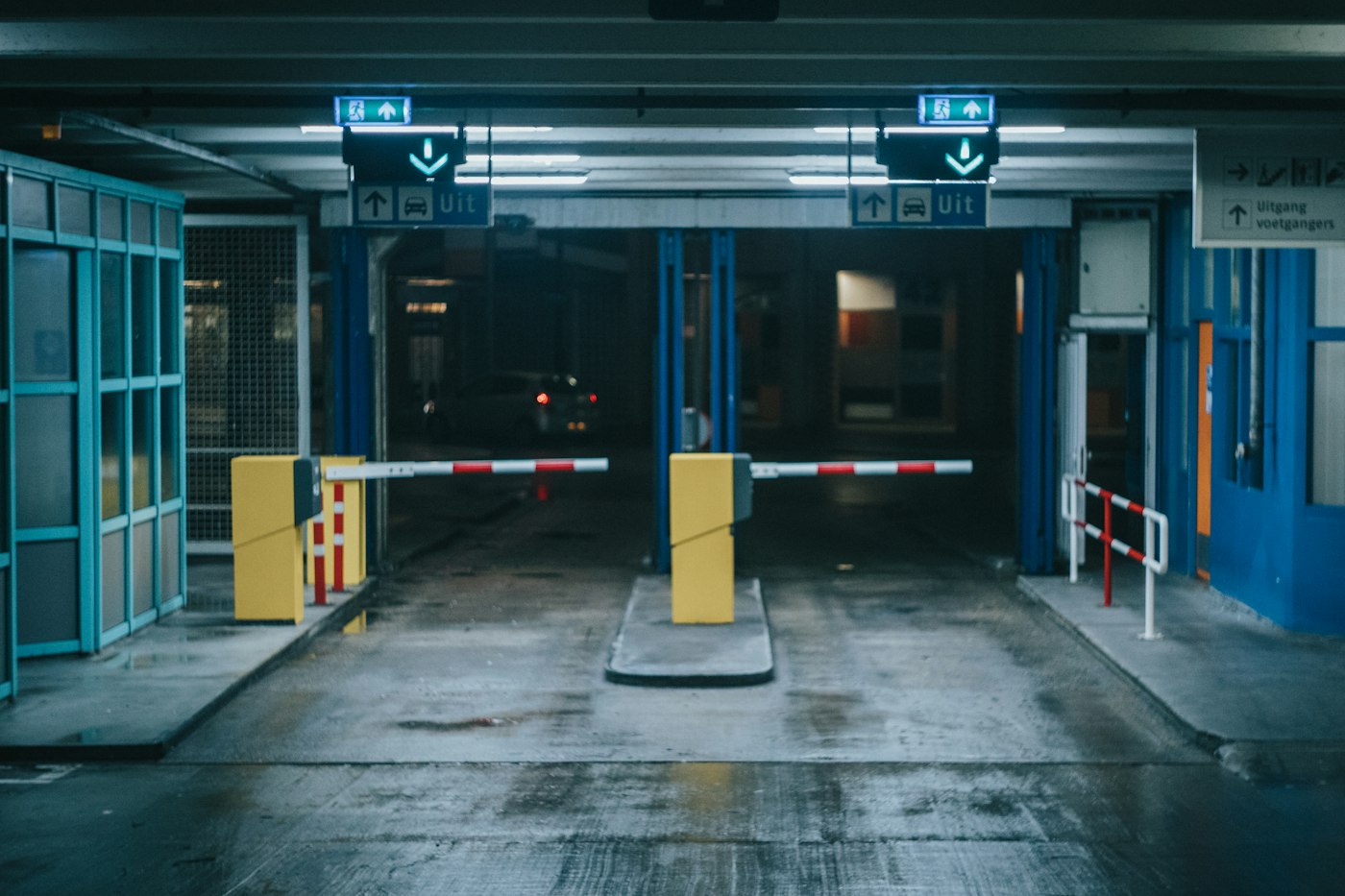
- Gate arms, which physically control vehicle movement in each lane.
- Vehicle detection, usually loops embedded in the pavement or sensors, which tell the system a vehicle is present and prevent gates from closing on cars.
- Pay stations, located near pedestrian entrances, where customers pay before returning to their vehicle.
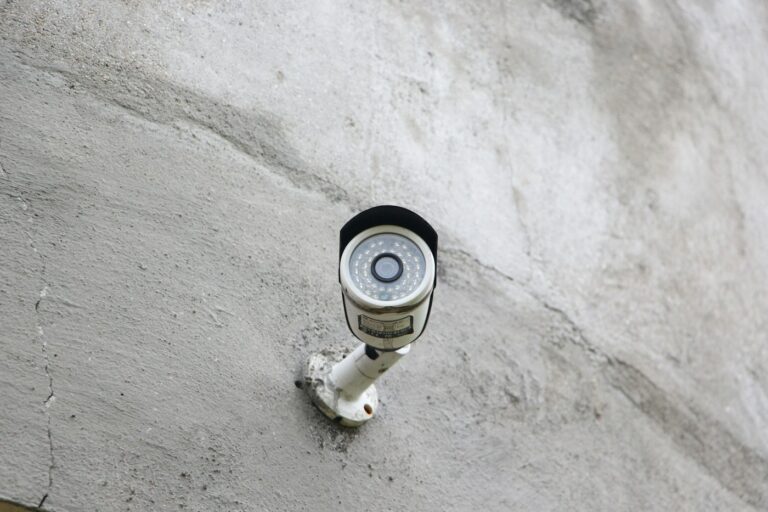
- Intercoms and cameras, which connect customers to help and provide visual records.
Each component wears out at a different rate. Gate arms get struck, loops crack as pavement shifts, and card readers age quickly in outdoor lanes exposed to heat, cold and moisture. A sensible maintenance plan treats the lanes as a set of parts with different life spans rather than a single system that either works or does not.
The software layer
The hardware connects to a central system that manages rates, tracks transactions, controls credentials and produces reports. Many modern systems are hosted in the cloud rather than on a server at the facility. The software typically handles:
- Rate tables, including time-of-day, event and maximum rates.
- Monthly parker accounts and access credentials.
- Validations for partner businesses.
- Integration with reservation platforms, mobile payment apps and license plate recognition.
- Reporting on revenue, occupancy and exceptions.
Ticketed, ticketless and gateless
Traditional systems issue a paper ticket on entry. Many newer installations are moving toward ticketless operation, where a license plate, payment card or mobile credential identifies the vehicle instead. Some facilities go further and remove gates entirely, relying on license plate recognition and enforcement to collect payment. Each approach changes the customer experience, the staffing model and how revenue is protected.
Payment security and compliance
Any system that accepts payment cards must meet the security requirements set by the payment card industry. Operators should understand which parts of the system handle card data, who is responsible for compliance and how software updates are managed. Network security matters, too, since PARCS equipment is increasingly connected to the internet.
Questions to ask about any system
Whether evaluating an existing installation or considering a new one, a few practical questions cut to the heart of it. How reliable is the equipment, and how quickly can it be repaired? What does the vendor’s support look like at night and on weekends? How easily does the system integrate with other tools? Who owns the transaction data? What will the system cost over its full life, not just at installation? Clear answers make for better long-term decisions.
Planning a System Upgrade, Step by Step
Replacing or upgrading a PARCS installation is a significant project. A structured approach reduces disruption and helps ensure the new system actually solves the problems the old one created.
- Document current pain points. List equipment failures, customer complaints, revenue control issues and reporting gaps. These become the requirements the new system must meet.
- Define the future operating model. Decide whether the facility will remain ticketed, move to ticketless operation or go gateless. That choice drives nearly every other decision.
- Inventory integrations. Identify every system the PARCS must connect with: reservation platforms, mobile payment apps, LPR, accounting software and validation programs.
- Request detailed proposals. Ask vendors to describe hardware, software, support, security responsibilities and full life-cycle costs.
- Plan the cutover. Schedule installation lane by lane where possible, during slower periods, with a fallback plan if a lane fails.
- Train staff before launch. Attendants and managers should know how to handle exceptions on the new system before customers arrive.
- Review after go-live. Check reconciliation, reporting and customer feedback closely in the first weeks and address issues quickly.
A Maintenance Checklist by Component
Gates and lanes
- Inspect gate arms and replace damaged arms promptly.
- Test vehicle detection so gates never close on a car.
- Check lane lighting and signage.
Stations and pay machines
- Clean card readers, scanners and screens.
- Confirm that all payment methods are working.
- Restock ticket and receipt paper where used.
Software and network
- Apply vendor-approved software updates on a planned schedule.
- Review user accounts and remove access for staff who have left.
- Check that reports reconcile with transaction data.
Common Mistakes to Avoid
- Buying on installation price alone. Support, replacement parts, software fees and payment processing can outweigh the initial cost over the system’s life.
- Assuming integration is simple. Confirm in writing which integrations exist today and what they cost.
- Neglecting data ownership. Agree up front on who owns transaction data and how it can be exported.
- Leaving security responsibilities vague. Know which party handles updates, monitoring and compliance.
Questions Owners Ask
How long does a PARCS installation typically last?
It varies widely with equipment quality, usage, climate and maintenance. Software and payment hardware often need updates sooner than gates and housings, which is why life-cycle planning by component is useful.
Is going gateless right for every facility?
No. Gateless operation depends on reliable plate reading, an effective enforcement process and customers who are comfortable paying through apps or kiosks. Some facilities suit it well; others benefit from keeping gates.
Who should be involved in choosing a system?
The owner, the operator, someone responsible for finance and accounting, and someone with technology and security expertise. Input from front-line staff is valuable too, since they deal with the system’s exceptions every day.
What should a support agreement cover?
Response times for different types of failures, availability on nights and weekends, how spare parts are stocked, how software updates are scheduled and tested, and what remote diagnostics the vendor can perform. A lane that is down on a busy Friday evening is a revenue problem and a customer service problem at once, so these terms deserve as much attention as the equipment itself.
What This Means for Day-to-Day Operations
A PARCS installation is not only a technology purchase; it shapes how staff spend their time. A reliable system with clear exception handling lets attendants focus on customers and the building. An unreliable one turns them into full-time troubleshooters, opening gates by hand and fielding complaints. When evaluating any system, it helps to picture an ordinary busy afternoon, with a declined card, a lost ticket, a validation from a nearby business and a monthly parker whose credential will not read, and ask exactly how the system and staff would handle each one.