Most drivers spend a few minutes in a parking garage and never think about it again. For the people running it, the facility is a small business with its own daily rhythm. Cash and card systems need reconciling, equipment needs checking, customers need help and the building needs constant attention. Here is what a typical operating day involves at a well-run garage.
Opening and the morning check
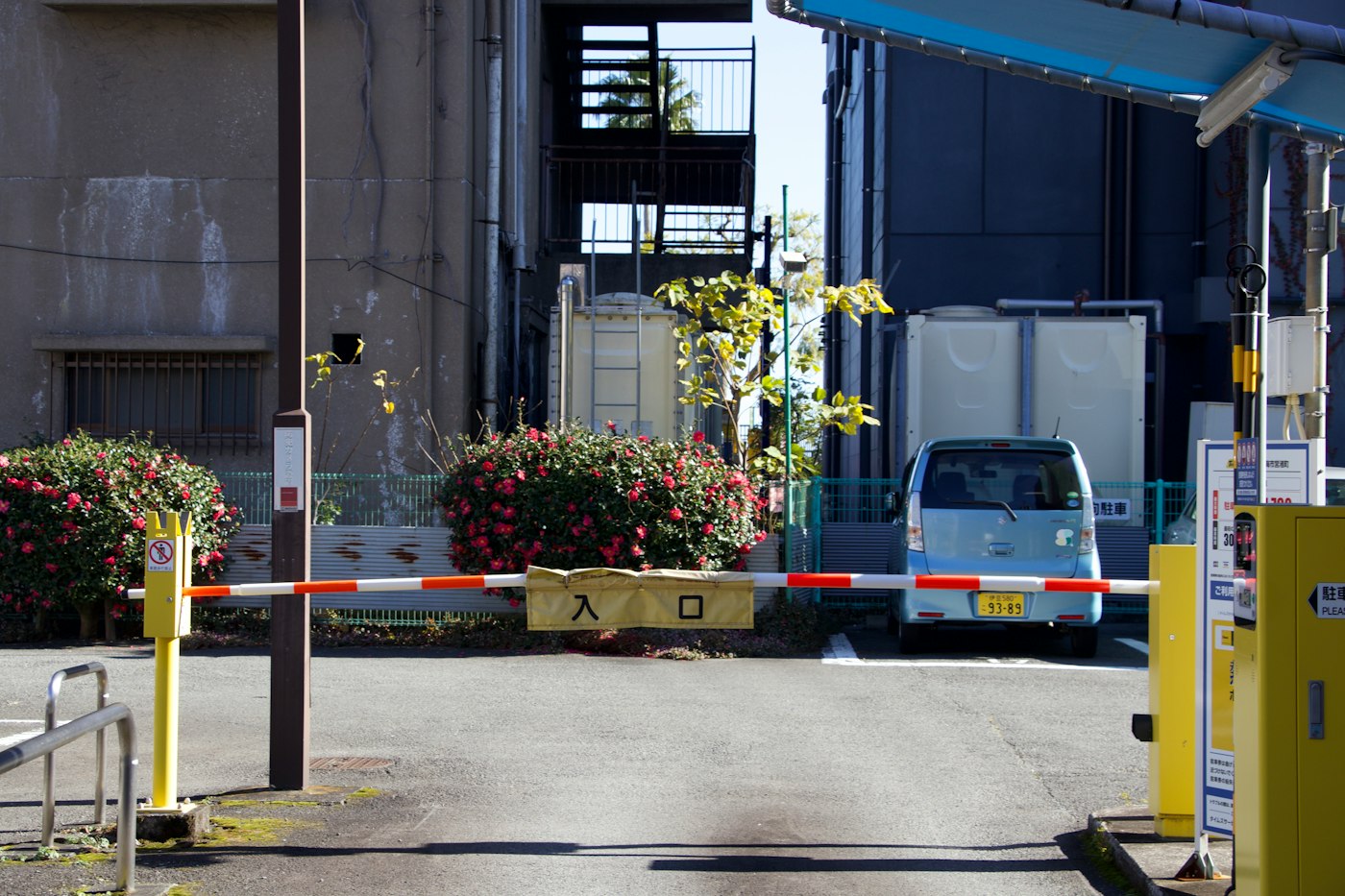
The day usually begins with a walk-through. A manager or attendant checks that entry and exit lanes are working, gate arms move properly, ticket dispensers and pay stations are stocked and online, and signs show the right rates. Lighting gets a look, especially in stairwells and corners. Any overnight incidents, such as damaged equipment, spills or abandoned vehicles, get logged and addressed.
In facilities with monthly parkers, the morning rush is often the busiest period. Staff may position themselves near entry lanes to resolve credential problems before a line forms.
Customer service through the day
Even highly automated garages need people. Common service moments include:
- Helping customers who lost a ticket or whose payment card was declined.
- Responding to intercom calls from lanes and pay stations.
- Assisting with dead batteries, lockouts or flat tires, within the limits of the facility’s policies.
- Answering questions about rates, validation programs and monthly accounts.
Many operators handle some of these remotely through call centers that can see lane cameras and open gates. Others keep staff on site during peak hours and rely on remote support overnight.
Cleanliness and safety rounds
Garages collect litter, oil stains, leaves and debris quickly. Regular rounds cover sweeping, emptying trash receptacles, checking stairwells and elevators, and reporting burned-out lights. Staff look for trip hazards, water leaks, graffiti and anything that makes the space feel neglected. A garage that looks cared for tends to feel safer to customers, and feeling safe is a large part of whether people return.
Revenue control and reconciliation
Every garage has to account for its money. At the end of each shift or day, operators typically reconcile:
- Tickets issued against tickets paid.
- Cash, card and mobile payments against system reports.
- Validations, discounts and exceptions such as lost tickets or gate overrides.
- Monthly parker counts against active credentials.
Discrepancies get investigated. Patterns of manual gate openings or unusual voids can signal equipment problems, training gaps or, occasionally, revenue leakage. Clear audit trails protect both the operator and the owner.
Reporting and the longer view
Beyond the daily routine, managers track occupancy by hour, revenue by rate category, equipment downtime and customer complaints. These reports inform decisions about rates, staffing, maintenance and technology. Over months, they show how demand is changing around the facility, whether from new nearby buildings, shifting work patterns or local events. The daily routine keeps the garage running. The reporting is what helps it improve.
The Evening and Overnight Shift
A garage’s day does not end when the office workers leave. Evening brings a different mix of customers, often diners, event-goers, residents and hotel guests, and a different set of concerns.
- Rate changes. Many facilities switch to evening or flat-rate pricing. Staff confirm that signs and systems change over correctly.
- Visibility and security. As daylight fades, lighting becomes critical. Rounds often focus on stairwells, elevator lobbies and pedestrian paths.
- Event surges. If a nearby venue hosts an evening event, the garage may need extra staff to manage a wave of arrivals and a concentrated exit.
- Handoff to overnight coverage. When on-site staff leave, remote monitoring and support often take over. A clear shift log helps the next team know what happened and what is still open.
A Daily Operating Checklist
Many well-run facilities rely on a short written checklist so that each shift starts and ends consistently. A sample might include:
At opening
- All entry and exit lanes tested and working.
- Pay stations online, stocked and accepting every payment type.
- Rate signs accurate for the day.
- Overnight log reviewed and open issues assigned.
- Lighting checked in stairwells, corners and elevator lobbies.
During the day
- Cleaning and safety rounds completed on schedule.
- Intercom and service calls answered promptly.
- Equipment faults reported to the service provider.
At close of shift
- Revenue reconciled and exceptions explained.
- Incidents and customer complaints logged.
- Notes left for the next shift on anything unresolved.
Common Operating Mistakes and How to Avoid Them
- Leaving equipment faults for later. A pay station that is down for a day can create lines, frustrated customers and lost revenue. Prompt reporting and clear service agreements help.
- Allowing too many manual overrides. Opening gates by hand to keep traffic moving is sometimes necessary, but each override should be logged and reviewed.
- Treating cleanliness as optional. Litter and dark corners affect how safe a garage feels, which affects whether people come back.
- Inconsistent shift handoffs. Without a log, issues fall between shifts and repeat.
Questions People Ask About Garage Operations
Why does a garage still need staff if it is automated?
Technology handles routine transactions, but people resolve exceptions, maintain the building, watch for safety issues and provide reassurance. Many operators blend remote support with on-site staff during busy hours.
What does a manager look at first when revenue drops?
Usually the reconciliation data: changes in volume, rate mix, validations, exceptions and equipment downtime. The cause is often visible in the daily records before it shows up in monthly totals.
How do operators decide on staffing hours?
By studying occupancy and transaction patterns by hour and day. Staffing follows demand, with extra coverage planned for known peaks such as morning arrivals and event exits.
What makes a garage feel safe to customers?
Bright, consistent lighting, clean surfaces, clear signs, working equipment and visible care. Customers notice when a facility is attended to, even if they never see the staff doing the work.
What the Routine Means for Owners
For a property owner, the daily routine is where the value of a parking asset is protected or slowly eroded. Consistent revenue reconciliation guards income. Regular rounds catch small maintenance issues, such as a clogged drain, a damaged joint or a failing light, before they become expensive repairs. Good customer service keeps monthly parkers renewing and transient customers returning. When owners review operator reports, it is worth asking not only what the numbers show but how the daily routine is documented. A facility with clear checklists, logs and follow-up processes is usually a facility whose results can be trusted and improved over time.