When a busy season, a major project or a difficult period ends, the natural instinct is to move on. There is always more work waiting. But teams that skip reflection tend to repeat the same mistakes and forget what worked. A short structured review, often called an after-action review, captures those lessons while they are still fresh.
The after-action review has its roots in military practice and is now widely used in many fields. Its appeal lies in its simplicity. It asks a few questions and focuses on learning rather than blame.
The core questions
Most after-action reviews are built around four questions:
- What did we expect to happen? The goals, plans and assumptions going in.
- What actually happened? The facts, as clearly and neutrally as possible.
- Why was there a difference? The causes of both successes and problems.
- What will we do differently next time? Specific changes to keep or adopt.
The first two questions establish a shared understanding of events. People often remember the same events quite differently, so agreeing on the facts before discussing causes avoids many arguments.
Keep it blame-free
The value of an after-action review depends on candor. If people fear being blamed, they will hold back the information that matters most. Leaders set the tone by focusing on systems and decisions rather than individuals, and by being willing to discuss their own mistakes openly.
A useful principle is to assume that people made reasonable decisions given the information and pressures they had at the time. The question then becomes what information, tools or processes would have led to a better outcome.
Run it soon and keep it short
Hold the review as soon as practical after the event, while details are still clear. For most situations, an hour is enough. Invite the people who were directly involved, including those at the front line who often see problems first. A neutral facilitator, someone not directly responsible for the outcome, can help keep the discussion balanced.
Recognize what went well, not just what went wrong. Understanding why something succeeded is just as useful as understanding a failure, because it shows what to protect and repeat.
Turn lessons into action
An after-action review that ends with a list of observations and nothing else achieves little. Close the session by agreeing on a small number of concrete changes, each with an owner and a date. Update procedures, checklists or plans accordingly. Too many action items tend to dilute effort, so focus on the few changes that would make the biggest difference.
Keep a record
Store a brief summary of each review where it can be found the next time a similar event approaches. Before the next busy season or project, revisit the lessons from the last one. That habit closes the loop, turning experience into improvement rather than just memory.
A Sample Agenda for a One-Hour Review
Structure helps a review stay focused and finish on time. A simple agenda that works for many teams looks like this:
- Opening (5 minutes). The facilitator explains the purpose, reminds everyone that the session is about learning rather than blame and confirms how notes will be used.
- What we expected (10 minutes). Review the original goals and plans. If they were written down, bring the documents; if not, reconstruct them together.
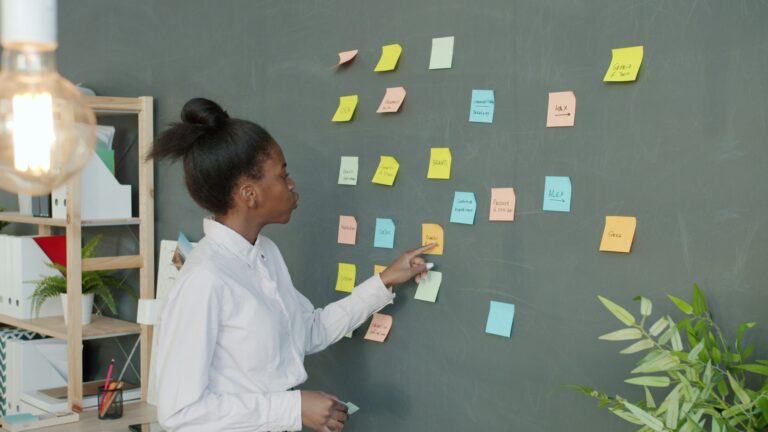
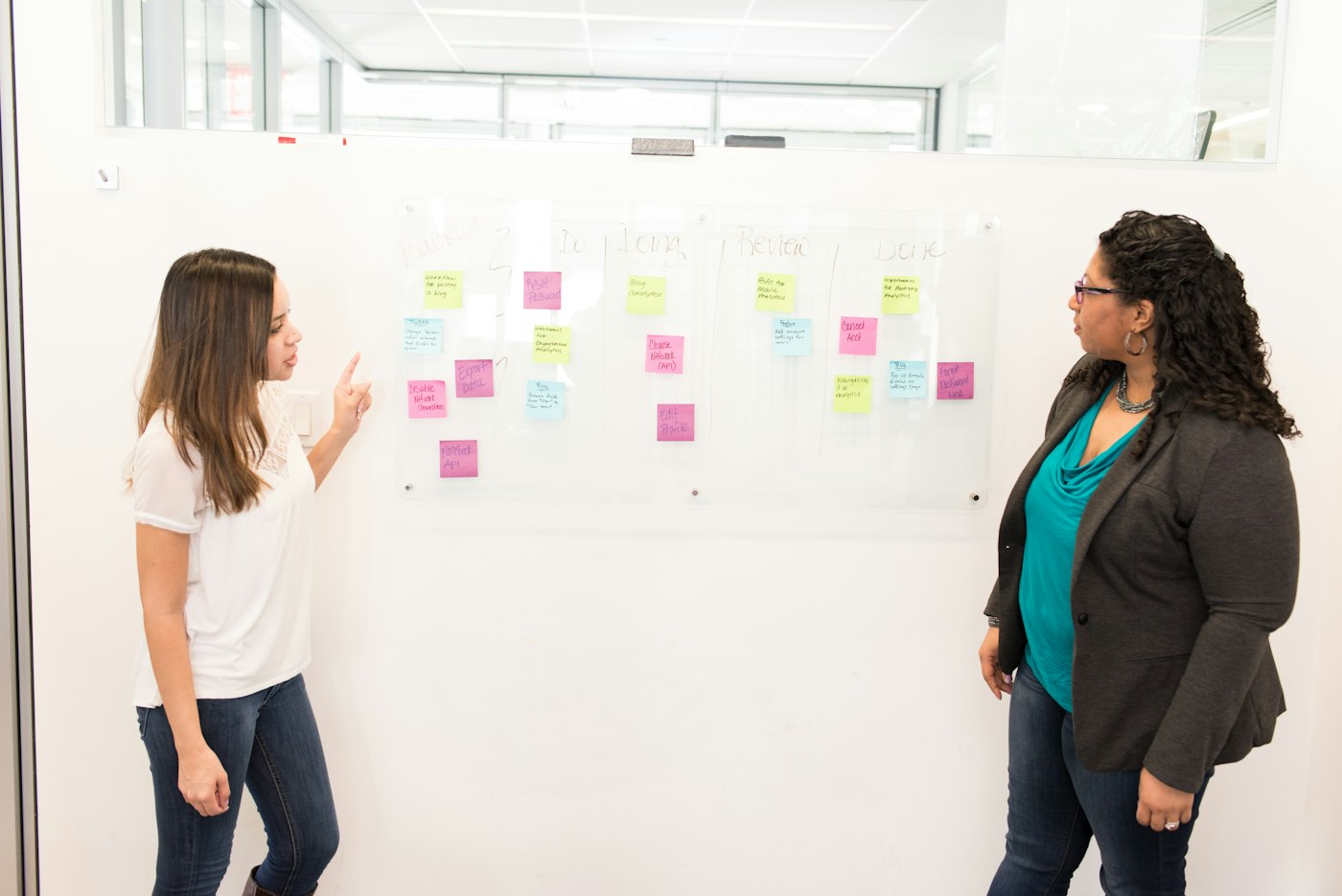
- What happened (15 minutes). Build a simple timeline of key events. Ask people to contribute facts rather than opinions at this stage.
- Why the differences (15 minutes). Discuss the causes behind both the successes and the shortfalls.
- What changes (10 minutes). Agree on a short list of actions, each with an owner and a date.
- Close (5 minutes). Confirm the actions, thank participants and explain where the summary will be stored.
Some teams find it helpful to collect written input before the meeting. A short form asking each participant what went well, what did not and one change they would recommend allows quieter people to contribute and saves time in the session.
Facilitation Techniques That Help
Ask about the moment, not the person
Instead of “Why did you decide that?”, try “What information was available at that point?” or “What made that option look best at the time?” The shift from person to situation keeps the conversation open.
Separate the timeline from the analysis
People naturally jump to causes. A good facilitator gently holds off that discussion until the group agrees on what happened. Writing the timeline where everyone can see it helps.
Look for patterns, not just incidents
A single missed deadline may be bad luck. Three missed deadlines that all involved the same handoff point to a process problem. Encourage the group to ask whether an issue appeared more than once.
Invite the dissenting view
Ask directly, “Does anyone see this differently?” Some of the most useful insights come from the person who experienced events in a way the rest of the group did not.
Common Pitfalls
- Turning the review into a performance evaluation. Once people sense that the session is being used to judge individuals, candor disappears. Keep performance conversations separate.
- Only reviewing failures. If reviews happen only when something goes badly, they become associated with trouble. Reviewing successful seasons and projects normalizes the practice.
- Letting the most senior voice dominate. Leaders should speak last on most questions so their views do not shape everyone else’s answers.
- Generating action items no one owns. “We should communicate better” is not an action. “The operations lead will set up a weekly handoff call starting next month” is.
Questions Teams Often Ask
How long after the event should we wait? As soon as people have had a chance to catch their breath, typically within a week or two. Waiting much longer means details blur and memories diverge.
Who should facilitate in a small company? Someone respected who was not directly accountable for the outcome. In a very small business, an owner can facilitate if they are disciplined about listening and acknowledging their own decisions.
What if the season went badly and emotions are high? Give people a little more time, acknowledge the difficulty openly at the start and spend extra effort on the facts before discussing causes.
How do we know the reviews are working? Look at whether the same problems recur. If lessons from last season show up again this season, the follow-through needs attention.