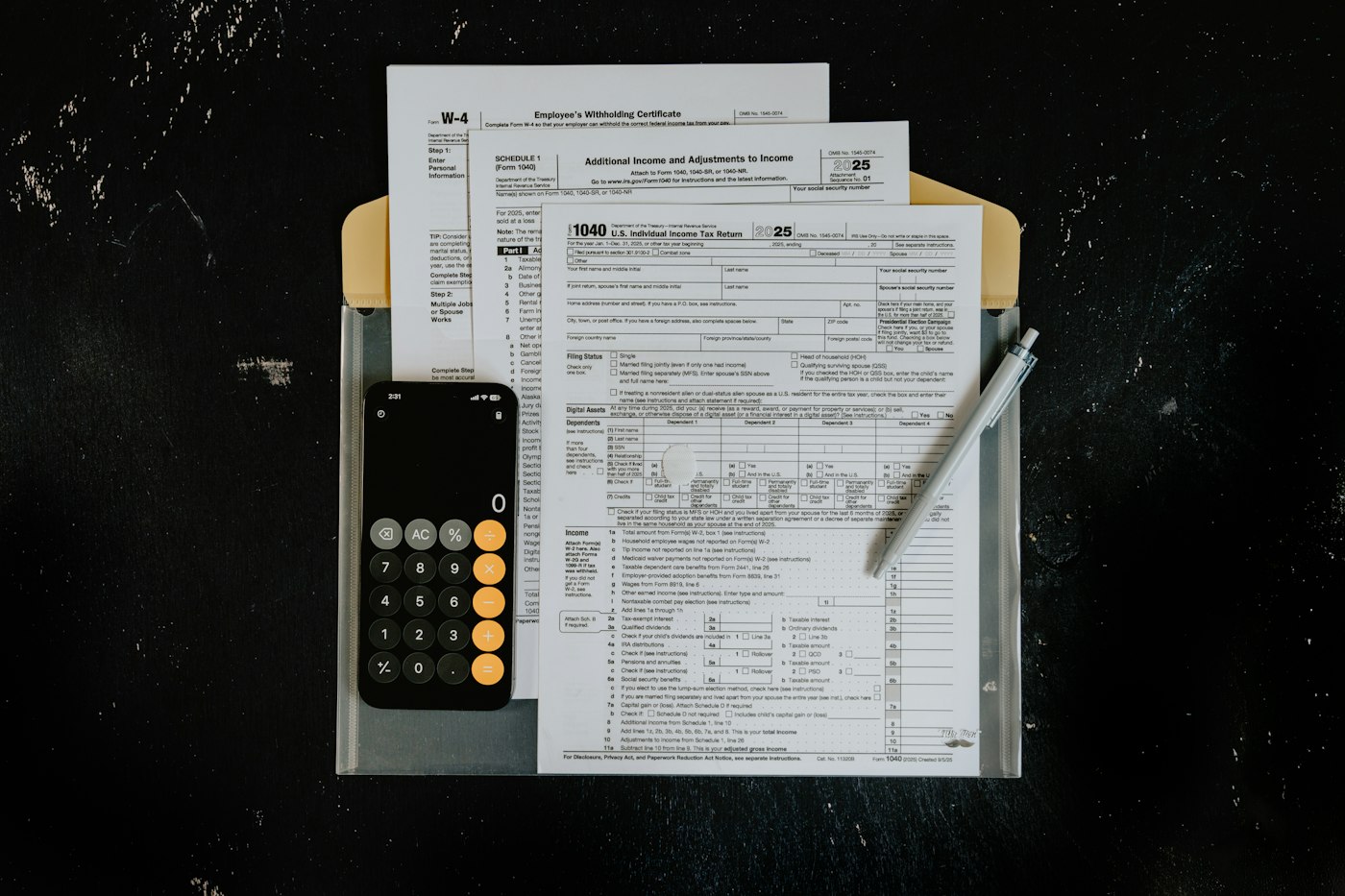
The year-end close is the process of finalizing the company’s financial records for the year. It produces the financial statements that owners, lenders and investors rely on, and it provides the basis for tax filings. When records are messy, the close drags on for weeks, consumes the accountant’s time and delays decisions for the new year.
Much of the work that makes a close smooth can be done in October and November. This article covers general practices. Your accountant can tell you exactly what they need and when.
Bring the books up to date
The single most helpful step is to make sure bookkeeping is current. Transactions should be recorded, categorized consistently and reconciled with bank and credit card statements each month. If there is a backlog, fall is the time to clear it, rather than tackling a full year of transactions in January.
Look for items that tend to accumulate unresolved, such as uncategorized transactions, unexplained balances or payments that were recorded twice.
Review receivables and payables
Check the list of amounts customers owe you. Follow up on overdue balances, and identify any that may not be collectible. Discuss with your accountant how doubtful accounts should be handled. Similarly, review what you owe suppliers to confirm that the records match the invoices you have received.
Cleaning up these lists before year-end improves the accuracy of your financial statements and often brings in cash as well.
Gather supporting information
Accountants commonly need documentation beyond the transaction records. Starting to gather it early saves time. Depending on your business, this may include:
- Loan statements and details of any new financing.
- Records of major purchases of equipment or other assets.
- Inventory counts, if you hold inventory.
- Payroll records and information on contractors paid during the year.
- Contracts or agreements with significant financial terms.
Ask your accountant for a list of what they will need, and when, so nothing is missed.
Plan the timeline
Agree on a schedule with your accountant and internal team. Decide when the books for December will be closed, when supporting documents will be delivered and when draft statements will be ready for review. Year-end is busy for accounting professionals, so booking time with them early is wise.
If you have an internal finance or bookkeeping team, plan their workload around holidays, since the close often falls during the period when people want time off.
Use the close to improve
After the close, take a moment to review the process. What caused delays? Which records were hard to find? Were there recurring errors? Small improvements, such as reconciling accounts monthly or keeping a standard checklist of closing tasks, can make every future close easier. Many companies also find that a disciplined monthly close throughout the year makes the year-end close far less daunting, because most of the work is already done.
A Week-by-Week Approach for October Through January
Breaking the close into stages makes it far less daunting. The timing below is a general pattern; adjust it to the schedule your accountant recommends and to the size of your business.
October: clean up
- Reconcile every bank, credit card and loan account through the end of September.
- Clear uncategorized transactions and investigate any balance you cannot explain.
- Review the chart of accounts for duplicate or unused accounts that cause inconsistent coding.
November: confirm and collect
- Reconcile October, and keep each month current from here on.
- Request any missing tax forms or information from contractors who will need year-end reporting.
- Confirm with your accountant the list of documents they need and the dates they need them.
- Schedule any physical inventory count and assign the people who will do it.
December: prepare for cutoff
- Agree on how transactions near December 31 will be handled, so items are recorded in the correct period.
- Collect statements for the final month as soon as they are available.
- Note any unusual year-end transactions, such as large purchases or new financing, and keep the paperwork together.
January: close and review
- Reconcile December, deliver supporting documents and review the draft statements carefully.
- Ask questions about anything that looks unfamiliar before statements are finalized.
- Hold a short debrief on the process and note improvements for next year.
Common Problems That Slow the Close
Personal and business transactions mixed together
When owners pay personal expenses from business accounts, or business expenses from personal cards, each transaction has to be sorted out individually. Keeping accounts separate throughout the year is one of the simplest ways to make the close faster and records more reliable.
Missing receipts and unclear descriptions
A transaction labeled only with a vendor name may be impossible to categorize months later. Recording a brief note on the purpose of significant purchases when they happen saves time and guesswork.
Cutoff errors
An invoice dated in late December for work delivered in January, or a payment recorded in the wrong month, can distort both years. Agreeing on cutoff rules in advance, and reviewing transactions near year-end carefully, reduces these errors. Your accountant can explain which method of accounting your business uses and what that means for timing.
Late changes after the books are closed
Once December is closed, later adjustments should go through a clear process rather than being entered quietly. Unexpected changes to a closed period make statements hard to rely on and can create confusion for anyone using them.
A Simple Closing Checklist to Keep
Many businesses find it useful to maintain a written checklist that is reused every month and expanded at year-end. A starting version might include:
- All bank and credit card accounts reconciled.
- Receivables reviewed, with overdue balances followed up.
- Payables matched to supplier invoices.
- Payroll records agreed to the payroll provider’s reports.
- Loan balances agreed to lender statements.
- Major asset purchases documented.
- Inventory counted and recorded, where applicable.
- Unusual transactions noted with supporting documents.
- Draft statements reviewed by someone other than the person who prepared them.
Each item can carry a name and a completion date. Over time, the checklist becomes a record of how the business closes its books, which is especially helpful when people change roles.
Questions to Ask Your Accountant This Fall
- What documents will you need from us, and by what date?
- Are there areas of our records that caused delays last year?
- How should we handle transactions that fall close to December 31?
- Are there any changes in our business this year that affect how the books should be closed?
- What would make your work on our close easier next year?
The answers to these questions are specific to each business, and the accountant who knows your records is the right person to give them.