“Pet tech” is a loose term covering a wide range of products, from collars that track a dog’s location to the scheduling software a groomer uses to book appointments. Grouping these into categories makes it easier to understand what each solves, who pays for it and how the businesses behind them make money.
Wearables and Trackers
Pet wearables attach to a collar or harness and collect information. Location trackers use GPS, cellular or short-range wireless technology to help owners find a lost pet or set virtual boundaries. Activity monitors estimate steps, rest and other behaviors over time.
Many trackers that rely on cellular networks combine a hardware purchase with a monthly service plan, which gives the business recurring revenue. Battery life, durability, accuracy and comfort for the animal are the practical tests these products must pass. Information from consumer devices can be a useful conversation starter with a veterinarian, but it is not a substitute for professional care.
Smart Home Devices
A second category brings connected technology into the home:
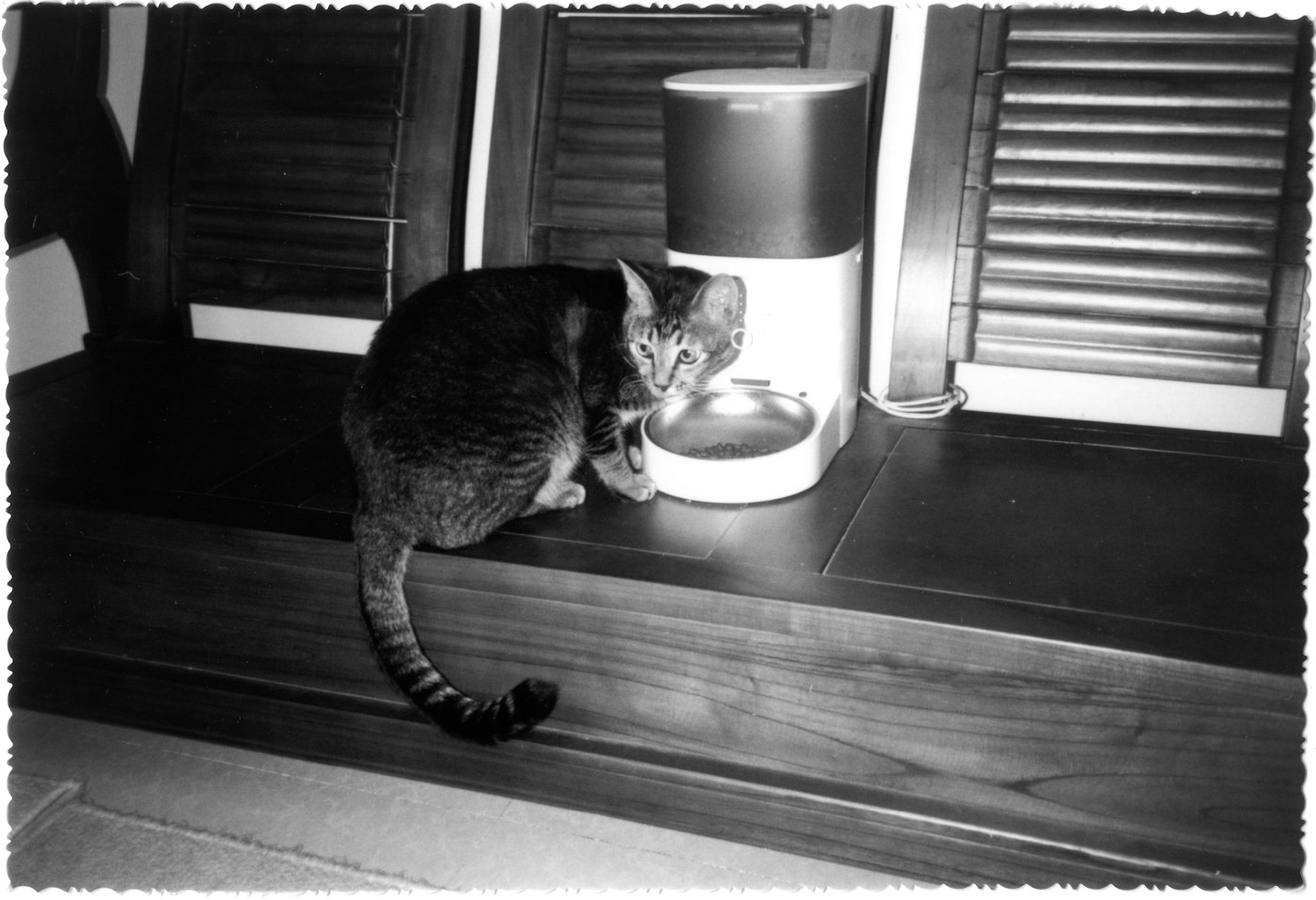
- Automatic feeders that dispense measured portions on a schedule.
- Water fountains that filter and circulate water.
- Pet cameras that let owners watch, talk to and sometimes toss treats to their pets remotely.
- Self-cleaning litter boxes that automate one of the least loved chores.
- Smart doors that open only for a pet wearing a matching tag or with a recognized microchip.
These products typically earn revenue through hardware sales, often supplemented by consumables such as filters and litter or by optional subscriptions for features like video history.
Software for Owners
Owner-facing apps help people manage their pets’ lives: storing vaccination records, setting medication reminders, booking services or connecting with remote veterinary advice. Some are standalone products; many are companion apps for hardware or services. The challenge is sustained engagement, since owners may need the app only occasionally.
Software for Pet Businesses
A less visible but important category is business software built for pet service providers and clinics. Grooming salons, boarding facilities, daycares, trainers and veterinary practices use specialized platforms for scheduling, client and pet records, vaccination tracking, payments, reminders and reporting. Most are sold as software-as-a-service with monthly fees, sometimes combined with payment processing revenue.
Because these platforms hold years of client history, switching between them is a significant undertaking, which makes vendor selection an important decision for any pet service operator.
Evaluating Pet Tech as a Business
For anyone assessing a pet tech product, a few questions clarify the model. Is revenue mainly from hardware, recurring service or both? What does it cost to support customers when devices fail? Does the product solve a frequent, real problem or a novelty that fades? And for any device that collects data, how is that data protected? Animal safety is the final test: products that go on, near or inside a pet’s environment must be designed with the animal’s wellbeing first.
How the Business Models Compare
Pet tech companies earn money in a handful of ways, and many combine more than one. Seeing them side by side helps explain why some products thrive while others fade.
- Hardware sale only. The company earns revenue once, when the device is sold. Margins depend on manufacturing cost and price, and growth depends on constantly finding new buyers.
- Hardware plus service plan. A device sale is followed by a recurring fee, often for connectivity or premium features. This creates ongoing revenue but also ongoing obligations, such as network costs and support.
- Hardware plus consumables. Filters, litter, cartridges or refills create repeat purchases tied to the device.
- Software subscription. Owner apps and business platforms charge monthly or annual fees. Retention depends on the software remaining useful.
- Transaction revenue. Some business platforms earn a share of payments processed through them, aligning revenue with the customer’s own growth.
Recurring models are often valued more highly because revenue is more predictable, but they only work if customers keep finding value month after month.
Choosing Software as a Pet Service Operator
For grooming salons, boarding facilities, daycares and trainers, the business software decision is often more consequential than any consumer gadget. A structured approach helps.
- List daily workflows. Booking, check-in, vaccination verification, payments, reminders, staff scheduling and reporting.
- Identify the must-haves. For boarding, that may be kennel or suite management; for grooming, groomer calendars and rebooking; for daycare, packages and capacity limits.
- Test with real scenarios. Ask vendors to walk through a busy holiday check-in, a cancellation and a customer with several pets.
- Check data portability. Confirm that client and pet records can be exported in a usable format.
- Review payment terms. If the platform processes payments, understand the fees and whether you can use another processor.
- Talk to other operators. Peers running similar businesses can describe support quality and how the software performs under pressure.
Privacy and Safety Questions to Ask
- What data does the device or app collect, including location, video and audio?
- Where is that data stored, who can access it and how long is it kept?
- Can owners delete their data or close their accounts easily?
- Are accounts protected with strong passwords and multi-factor authentication options?
- Does the device receive security updates, and for how long?
- For products worn by or near the animal, what materials are used and how are chewing, overheating and entanglement risks addressed?
Cameras in particular deserve attention, since they can show the inside of a home. Strong account security is essential.
Frequently Asked Questions
Can activity data detect health problems?
Changes in activity or behavior noticed through a device may prompt a useful conversation with a veterinarian, but consumer devices are not diagnostic tools. Any health concern should go to a vet.
Are smart feeders reliable enough to leave a pet alone?
They can help with routine feeding, but devices and connections can fail. Owners should have a person check on pets during absences rather than relying on technology alone.
What should happen to a device if the company stops supporting it?
Ideally, the device keeps basic functions and owners can retrieve their data. Before buying, it is worth checking whether core features depend on the company’s servers or on an active subscription.
Why do some pet tech products disappear?
Hardware is expensive to develop and support, and products built around novelty may struggle once initial interest fades. Products that solve a frequent, real problem tend to last longer.