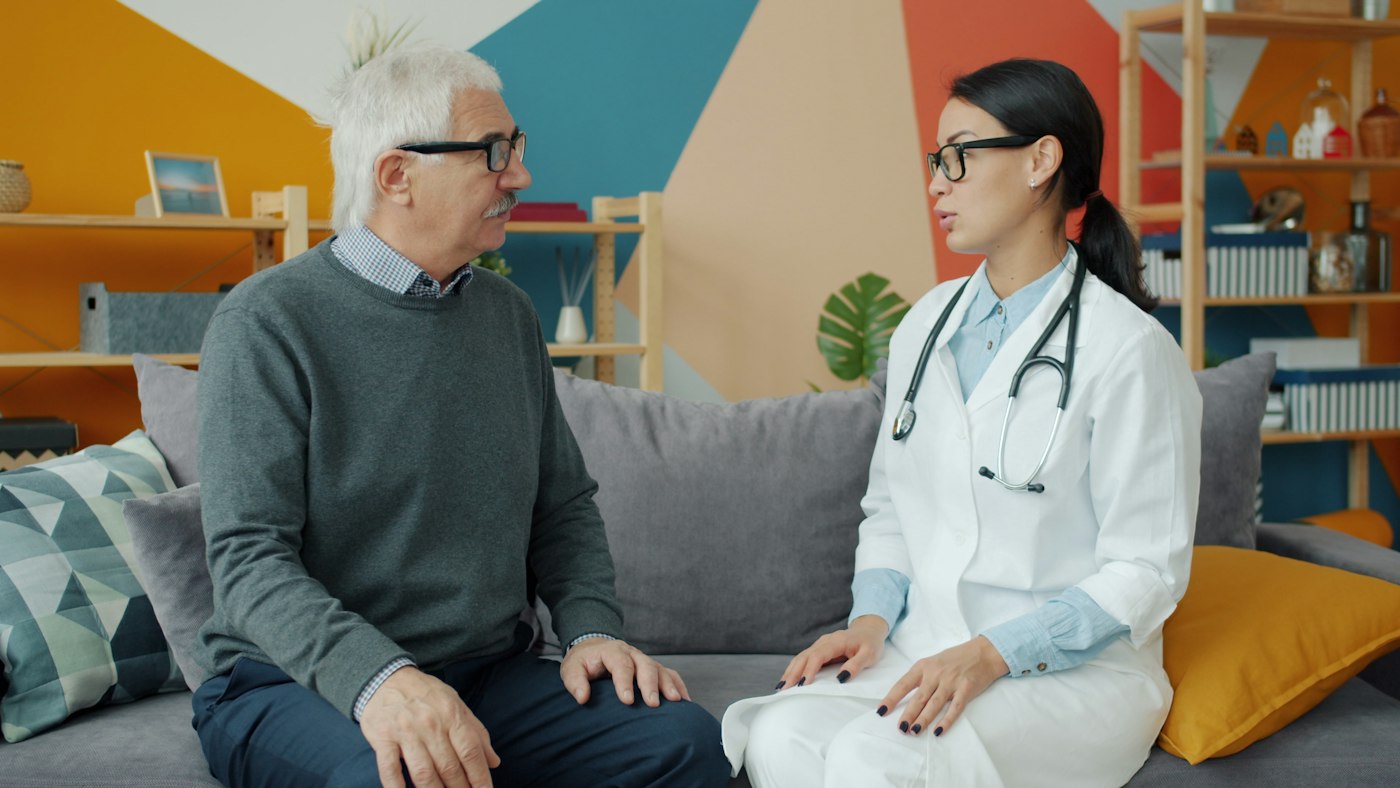
Care delivered in the home is often grouped together in conversation, but the businesses behind it are quite different. Home health, hospice and non-medical home care serve different needs, are paid for in different ways and are regulated under different rules. Anyone evaluating, launching or partnering with a home-based care organization needs to understand which one they are dealing with.
This is a general business overview, not legal, medical or financial advice. Rules differ by state and change over time.
Home health
Home health agencies provide skilled services in a patient’s home. Typical services include skilled nursing, physical therapy, occupational therapy, speech-language pathology and medical social work, often after a hospital stay or during management of a chronic condition. Care generally follows a plan established and reviewed with a physician or other allowed practitioner.
For Medicare coverage, patients generally must meet specific eligibility criteria, including being considered homebound and needing skilled services, and agencies must be Medicare-certified. Medicare pays home health agencies under its own payment system, and documentation requirements are substantial. Many agencies also serve patients covered by Medicare Advantage, Medicaid and commercial plans, each with its own rules.
Hospice
Hospice provides comfort-focused care for people with a terminal illness, generally when life expectancy is limited and the patient chooses to focus on comfort rather than curative treatment. Hospice care is delivered by an interdisciplinary team that may include physicians, nurses, aides, social workers, chaplains and volunteers, and it supports families as well as patients, including bereavement support.
Under Medicare, hospice is a distinct benefit with its own eligibility, certification and payment rules. Hospice care is usually provided where the patient lives, which may be a private home or a facility. The regulatory and compliance environment for hospice is detailed, and organizations need strong clinical and documentation practices.
Non-medical home care
Non-medical home care, sometimes called personal care or companion care, helps people with activities of daily living, such as bathing, dressing, meal preparation, light housekeeping and companionship. It does not involve skilled clinical care. Many states license these agencies, though requirements vary considerably.
Traditional Medicare generally does not pay for this type of ongoing custodial care. Payment often comes from clients and families directly, long-term care insurance, certain Medicaid programs and some Medicare Advantage supplemental benefits, depending on the plan and state.
Shared operating realities
Despite their differences, all three models share several business characteristics:
- Workforce is the central asset and the central challenge, from recruiting to retention
- Scheduling and routing across a service area affects both cost and quality
- Travel time and mileage are meaningful costs
- Caregiver safety and training require ongoing attention
- Documentation, often captured on mobile devices, supports both care and payment
- Referral relationships with hospitals, physicians and facilities drive volume
Choosing a lane
Because licensing, certification and payment differ so much, organizations generally need to build each model deliberately rather than drift from one to another. Some operators run more than one, under separate licenses and compliance programs. For anyone considering entering this field, early guidance from healthcare counsel, experienced operators and the relevant state licensing agency is essential.
Comparing the Three Models at a Glance
Seeing the three businesses side by side can clarify the differences. These are generalizations; specific programs and states have their own rules.
Who provides the care?
- Home health: licensed clinicians such as registered nurses, therapists and medical social workers, often supported by home health aides.
- Hospice: an interdisciplinary team including physicians, nurses, aides, social workers, spiritual care providers and trained volunteers.
- Non-medical home care: caregivers trained in personal care and support, without providing skilled clinical services.
How long does care usually last?
- Home health: typically episodic, organized around a period of care and recertified if continued need is documented.
- Hospice: organized in benefit periods for as long as eligibility is maintained under the applicable rules.
- Non-medical home care: can range from a few hours a week to around-the-clock support, sometimes for years.
Where do referrals come from?
- Home health: hospitals, physicians, skilled nursing facilities and other providers.
- Hospice: physicians, hospitals, nursing facilities, families and community organizations.
- Non-medical home care: families, social workers, senior living communities, case managers and word of mouth.
Workforce Practices That Matter
Because people are the core of all three models, workforce practices often determine success. Operators commonly focus on:
- Thoughtful scheduling. Grouping visits by geography reduces drive time and fatigue, and consistent assignments let caregivers build relationships with clients.
- Training and competency. Orientation, ongoing education and competency checks keep care consistent and support compliance with applicable rules.
- Safety support. Caregivers often work alone in unfamiliar homes. Clear procedures for check-ins, unsafe situations and emergencies protect staff.
- Usable technology. Mobile documentation tools that are simple and reliable reduce after-hours paperwork and errors.
- Recognition and communication. Field staff can feel disconnected from the office. Regular contact, recognition and responsive supervisors help retention.
Common Mistakes for New Operators
- Blurring service lines. Allowing non-medical caregivers to perform tasks that require clinical licensure, or billing one type of service as another, can create serious compliance problems.
- Growing faster than staffing. Accepting referrals without enough caregivers leads to missed visits, burnout and unhappy clients.
- Weak documentation. Especially in home health and hospice, documentation supports both eligibility and payment. Gaps can lead to denials or repayment demands.
- Underpricing private-pay care. In non-medical home care, rates must cover wages, payroll costs, travel, supervision, insurance and overhead.
- Neglecting family communication. Families are often deeply involved and appreciate clear, regular updates.
Questions Families and Partners Often Ask
Can someone receive more than one type of care?
Sometimes. A person might receive non-medical home care alongside home health or hospice, depending on needs and the rules of each program. Coordination between providers is important.
How should a family choose an agency?
Ask about licensing, certification, caregiver screening and training, supervision, how missed visits are handled and how the agency communicates with families. Families should also discuss care needs with the patient’s physician.
What should a business partner look for?
Evidence of strong compliance, stable staffing, clear documentation practices and healthy referral relationships. Experienced healthcare counsel can help evaluate any specific opportunity.
Why does the distinction matter so much to an investor?
Because each model has a different risk profile. Skilled home health and hospice depend heavily on government program rules and documentation, while private-pay home care depends more on local demand, pricing and caregiver availability. Understanding which risks dominate helps set realistic expectations for growth and margins.